
Applications
Rolling admissions
Cohorts fill on a first-come, first-served basis.

A selective biotechnology research program combining virtual preparation, professional wet-lab experiments and guided development of an empirical paper.
See Succeed's assessment of the programme, who it may suit, the estimated total cost, what applying involves and what is still to confirm.
or let us know if .
What Succeed checks
We review public program details such as eligibility, age range, cost, duration, location, format, accommodation, meals and application timing.
What Last verified means
Last verified is the latest date Succeed checked the public details shown on this page. Program dates, prices and availability can still change.
How official sources are used
Succeed uses official provider information where available, then rewrites it into a student-facing summary for comparison and planning.
Why some dates are reference dates
If the current cycle is not available, Succeed may show the latest verified cycle dates so you can understand typical timing.
Succeed is independent from this provider unless a partnership is clearly stated.
Current status
Upcoming
Eligibility
Motivated high school students
Age range / Year group
Ages 15-19
Location / Region
Pasadena, United States; Singapore
Cost
From $9,000 USD
Duration
2 weeks
Format
Hybrid
Innovator Global Lab combines structured research preparation with hands-on biotechnology experiments in a professional wet-lab environment.
Students choose a research question, collect and analyse original data, present their findings and develop an empirical paper with publication support.
It best suits ambitious students seeking substantial laboratory experience rather than a short introductory science course.
Innovator Global Lab is Indigo Research’s selective biotechnology program for students who want to experience the full research process. It combines academic preparation with practical experiments, original data collection and scientific communication.
The journey begins with virtual orientation and methodology training, continues in a professional wet lab, and concludes with online publishing support. Students attend lectures, conduct experiments, analyse results and refine an empirical paper for academic submission.
Students generate original experimental data rather than completing only classroom-based exercises.
The three-phase structure connects research preparation, practical laboratory work and post-lab publication support.
Professional wet-lab partners provide exposure to real biotechnology equipment and research environments.
Small cohorts of up to 20 students support more personalised faculty guidance.
The main output is an empirical paper developed for submission to an academic journal.
Motivated students who already have a strong interest in biotechnology or life sciences and want rigorous, hands-on research experience.
You want a low-cost introductory course, need guaranteed publication or require provider-managed visa support.
Innovator Global Lab can be worthwhile for a student who will use its laboratory access to test a serious interest in biotechnology. Original data, an empirical paper and detailed mentor feedback provide stronger evidence of research engagement than passive course attendance.
The limitation is the program’s significant financial and travel commitment, particularly because scholarships and visa assistance are not offered. Publication and university credit are also conditional opportunities, so families should value the learning and completed research even without those later outcomes.
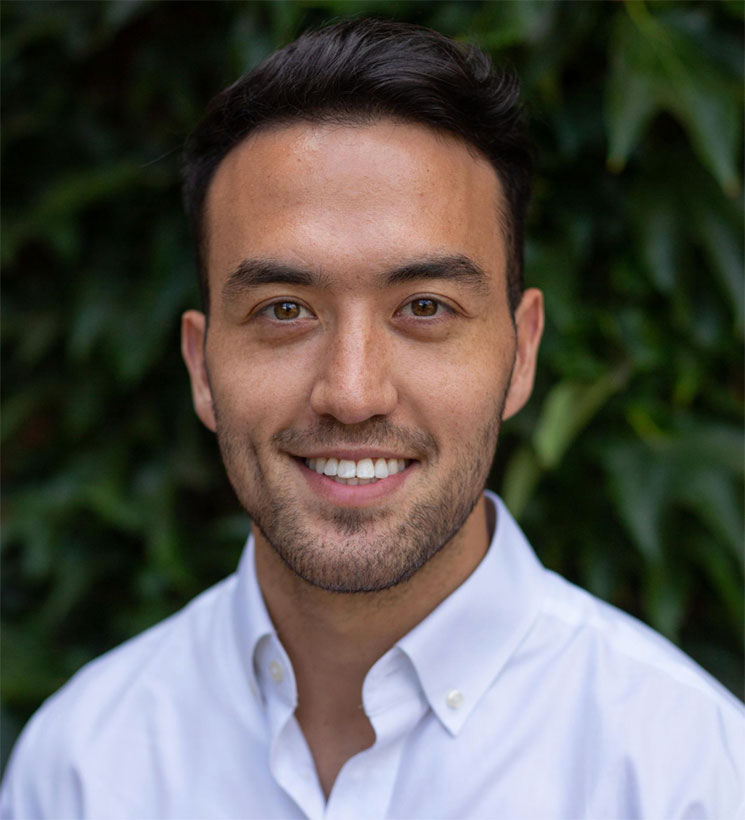
Sean
Founder, Succeed
Talk it through with Sean
“I can help you compare the programmes you're considering, think through the practicalities and work out what makes sense for you.”
20 minutes · No obligation to enrol
A practical overview of cost, accommodation, meals, dates and provider details to review before deciding.
Cost and what is included
From $9,000 USD; includes In-person and online sessions, Laboratory materials, Lunch, Virtual sessions before and after the lab phase, Access to the selected research hub, Residential accommodation and meals where offered, $1,500 — Part of tuition and due within seven days of an offer..
Accommodation
Limited residential options
Meals
Lunch included
Provider details
Review the Indigo Research provider page and official sources before making a final decision.
Dates and logistics
2 weeks; Pasadena, United States; Singapore.
What to check before committing
Confirm current dates, payment terms, travel arrangements, cancellation rules and what is included with the provider.
Compare this program with similar options before deciding on dates, cost, format and fit.
Compare with similar programsEffort level
High.
Best started
Begin two to three months before your intended cohort to allow for the call, interview, travel planning and visa arrangements.
Main challenge
Turning experimental results into a rigorous, publication-ready argument.
Review your biotechnology and biology foundations before the introductory call.
Prepare examples that demonstrate your research interest and readiness for intensive work.
Allow time for the application interview, payment planning and independent travel documents.
Enter the virtual bootcamp with several possible research questions to discuss.
Useful if
You can read scientific material in English and sustain focused project work.
Students move through a connected research workflow, from defining a question to collecting laboratory data and preparing a paper for submission.
Complete a virtual academic orientation and research-methodology bootcamp.
Choose and refine a biotechnology or neuroscience research question.
Attend subject lectures and conduct experiments in a professional wet lab.
Collect, analyse and interpret original laboratory data.
Present your findings to peers and program staff.
Use individual and group support to complete and refine an empirical research paper.
Next cycle not announced yet. These dates are from the latest verified cycle and should be used as a reference only.
Applications
Rolling admissions
Cohorts fill on a first-come, first-served basis.
Singapore cohort 1
15-26 June 2026
Life Science Incubator, Singapore.
Singapore cohort 2
29 June-10 July 2026
Life Science Incubator, Singapore.
| Milestone | Date | Timezone | Status | |
|---|---|---|---|---|
Applications | Rolling admissions | Local | Reference date | |
Singapore cohort 1 | 15-26 June 2026 | Local | Reference date | |
Singapore cohort 2 | 29 June-10 July 2026 | Local | Reference date |
High school students ages 15-19
Strong biotechnology or life-sciences interest
Upper-Intermediate English proficiency
Admissions Committee application and interview
Passport and destination visa arranged independently
Program fee
$13,600 — Includes teaching, virtual support and lab materials.
What's included
In-person and online sessions, Laboratory materials, Lunch, Virtual sessions before and after the lab phase, Access to the selected research hub, Residential accommodation and meals where offered, $1,500 — Part of tuition and due within seven days of an offer.
Complete the interest form on the official program page.
Book an introductory call with the program team.
Submit the full application after the call.
Complete an interview with the Admissions Committee.
If accepted, confirm the offer by paying the included $1,500 deposit within seven days.
Next step with Succeed
or let us know if .
Succeed replies first, usually within a working day
The program covers the following focus areas.
Research foundations
Practise literature review, methodology, citation and research-question development.
Biotechnology laboratory work
Use professional wet-lab facilities to conduct hands-on experiments.
Biology and neuroscience
Explore molecular biology, genetics, microbiology, neuroscience and biomedical research.
Data and presentation
Analyse original experimental data and communicate findings through presentations.
Scientific writing
Develop an empirical paper and prepare it for academic submission.
Curriculum may be adjusted based on participant interests and current developments.
A typical day during the program.
Weekday mornings include discipline foundations or laboratory research.
Students continue experiments, data work and project development in the lab.
Published weekdays include a one-hour lab meeting after research sessions.
Dinner is followed by scheduled activities or free time.
Students learn from experienced academics and researchers, including Dr Jorge Avila of UCLA, Dr Xavier Portillo of Harvard Medical School and Dr Yi Han Ng of Stanford University. Faculty and graduate mentors support research methodology, laboratory work, analysis and publication development.
Dr Xavier Portillo is described as having more than ten years of mentorship experience.
Residential options are limited and vary by location; specific room configurations are not published.
After completing this program, participants often pursue:
Use an empirical research paper as evidence of sustained academic interest.
Prepare the completed paper for submission to an academic journal.
Become eligible for two UCSB Extension credits through the Indigo Academic Conference.
Receive a completion certificate recognising participation and accomplishments.
Refine suitable work for science fairs with program support.
Journal publication, university credit and science-fair outcomes are not guaranteed.
The program uses professional wet-lab facilities in Pasadena, New York and Singapore, including partnerships with Pasadena Bio, BioLabs and Life Science Incubator. Location-specific cultural outings and university visits extend the experience beyond the laboratory.
The dated 2026 cohorts supplied are for Life Science Incubator in Singapore; future location dates are not yet announced.
The hybrid program begins with virtual orientation, research-methodology training and project preparation. Students then complete an intensive in-person wet-lab phase before returning online for individual and group publication support.
The exact number and timing of virtual sessions are not published.
Experienced academics guide research methodology and laboratory work.
Cohorts are limited to up to 20 students.
Students receive individual and group publication support.
Online office hours support further paper refinement.
Additional one-to-one publication hours may be purchased.
Mentors provide feedback on analysis, writing and journal preparation.
Progress is demonstrated through practical laboratory work, original-data analysis, a research presentation and an empirical paper.
Main deliverable / output
The main deliverable is a publication-ready empirical paper based on the student’s original laboratory research.
Original laboratory data and analysis
Research findings presentation
Completion certificate
Potential journal submission
Potential science-fair project
Compare these options if you want a different balance of subject depth, delivery format, location or cost.
In-person biotechnology study in Cambridge
Best for
Students prioritising academic subject teaching over an empirical wet-lab paper.
Online medicine research program
Best for
Students who want medicine research without an international residential commitment.
Online research focused on physics
Best for
Students seeking research-method training in physics rather than biotechnology.
Experiments and group projects across sciences
Best for
Younger students who want broad science exploration before specialising.
Save this program in Succeed to compare it with similar programs, dates, costs and formats in one place.
Compare with other programs
Content reviewed by
Co-founder, Succeed | Former secondary teacher and educational leader
Ben works at the intersection of education, technology and school adoption, with expertise in how secondary schools evaluate data-driven tools and how education technology is used in practice.
Succeed uses official provider information where available, but keeps this public page focused on comparison and planning inside Succeed.
Program format checked
Eligibility reviewed
Locations verified
Fees cross-checked
Application process reviewed
Schedule inspected
Outputs and support checked
We use source material to verify core facts, then show older cycle dates as reference when a current cycle is not available. Always check current application instructions before applying.
Innovator Global Lab
by Indigo Research
May qualify for the £300 Succeed Programme Award.
Get the full picture before you decide
Succeed's assessment, estimated total cost and what applying involves.
No account needed for the Guide or Compare.