
Summer 2026 cohort
6 July-17 August 2026

A mentor-led AI research program exploring machine learning, generative AI and ethics while guiding students towards an individual publication-ready paper.
See Succeed's assessment of the programme, who it may suit, the estimated total cost, what applying involves and what is still to confirm.
or let us know if .
What Succeed checks
We review public online program details such as eligibility, age range, cost, duration, learning format, scheduling, mentor model, outputs and application timing.
What Last verified means
Last verified is the latest date Succeed checked the public details shown on this page. Program dates, prices and availability can still change.
How official sources are used
Succeed uses official provider information where available, then rewrites it into a student-facing summary for comparison and planning.
Why some dates are reference dates
If the current cycle is not available, Succeed may show the latest verified cycle dates so you can understand typical timing.
Succeed is independent from this provider unless a partnership is clearly stated.
Current status
Upcoming
Eligibility
Ambitious high school students
Age range / Year group
Ages 14-18
Location / Region
Online
Cost
From $4,200
Duration
6 weeks
Format
Online
This is a fast-paced artificial intelligence research course built around an individual academic paper. Students explore areas including machine learning, data science, generative AI, natural language processing, computer vision and AI ethics.
The program combines subject teaching with research-method training, annotated bibliography work, writing workshops, peer review, individual draft feedback and a final presentation.
It suits motivated beginners who want structured academic research experience. Prepared code sections make the course accessible to students without a programming background.
The IRIS Artificial Intelligence Course is a research-focused track within Indigo Research's Intensive Research Program. Students examine current areas such as machine learning, data science, generative AI, natural language processing, computer vision, recommender systems and AI ethics.
Indigo combines small-group teaching with a structured academic-research process. Students progress from introductory reading and question development to an abstract, annotated bibliography, full draft, peer review, individual instructor feedback and a final paper presentation.
Students follow a clear six-week progression from introductory reading to a final research paper and presentation.
The AI curriculum includes machine learning, generative AI, computer vision, recommender systems and ethics.
Prepared code sections allow students without previous programming experience to participate.
The program combines faculty teaching, PhD teaching-assistant support, peer review and individual draft feedback.
Students can gain a signed completion certificate and become eligible for two transferable UCSB Extension credits.
Motivated students who want to explore AI through academic research and can sustain a demanding paper project.
You want a light introductory coding camp, guaranteed publication or a course with little independent reading and writing.
The course can be worthwhile for a student who wants a structured introduction to AI research rather than lessons focused only on coding. Its strongest features are the defined paper pathway, small-group academic support and opportunity to practise research writing and presentation.
The workload and fee require careful consideration, particularly because scholarships are not offered and publication is not guaranteed. The value depends on whether the student genuinely wants to complete a substantial individual paper and can attend the long live sessions consistently.
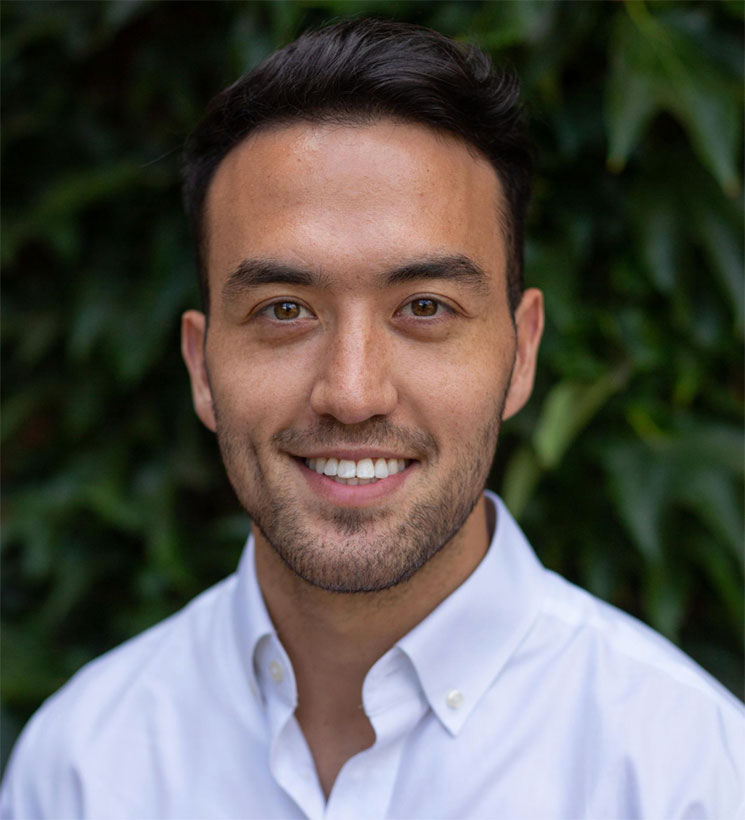
Sean
Founder, Succeed
Talk it through with Sean
“I can help you compare the programmes you're considering, think through the practicalities and work out what makes sense for you.”
20 minutes · No obligation to enrol
A practical overview of cost, time commitment, provider details, student outcomes and online support to review before deciding.
Cost and what is included
From $4,200; includes 30+ hours of faculty-led lessons, Personalized PhD teaching-assistant support, Writing workshops and peer review, One-to-one instructor draft meeting.
Dates and time commitment
6 weeks; Two 3-hour classes weekly.
Provider details
Review the Indigo Research provider page and official sources before making a final decision.
What the student gains
Potential output: The main deliverable is an individual publication-ready artificial intelligence research paper.. Check whether feedback, certificate, recommendation or application evidence is included.
Online support and safeguarding
Students learn about publication routes and receive access to journal guidance. Publication is not guaranteed, and individual publication support may require a separate purchase.
What to check before committing
Confirm current dates, session schedule, payment terms, cancellation rules, support expectations and what output or certificate is included with the provider.
Compare this program with similar options before deciding on dates, cost, format and fit.
Compare with similar programsEffort level
High.
Best started
Begin planning four to six weeks before a future cohort starts.
Main challenge
Moving from a broad AI interest to a focused, defensible research question.
Review the major AI topic options and note two or three areas that genuinely interest you.
Practise reading a short academic paper and summarising its research question, method and conclusion.
Check the published session times carefully because some options fall early or late in particular time zones.
Set aside regular independent time for reading, bibliography work, drafting and revision.
Useful if
You enjoy independent reading, academic writing and acting on detailed feedback.
Students move through a staged academic-research process, applying artificial intelligence subject learning to an individual paper.
Complete orientation, explore the platform and meet the professor.
Read selected introductory papers with teaching-fellow support.
Study core AI concepts and narrow a research question.
Learn time management, note-taking, citation and research-paper conventions.
Prepare an abstract and annotated bibliography.
Write an introduction, outline and full first draft.
Join writing workshops, peer review and an individual draft meeting.
Present the project and submit the final paper.
Summer 2026 cohort
6 July-17 August 2026
Winter 2026-2027 cohort
14 December 2026-25 January 2027
| Milestone | Date | Timezone | Status | |
|---|---|---|---|---|
Summer 2026 cohort | 6 July-17 August 2026 | Local | Past | |
Winter 2026-2027 cohort | 14 December 2026-25 January 2027 | Local | Upcoming |
Ambitious high school students aged 14-19
No previous programming experience required
No previous research experience required
Program fee
$4,200 — A payment plan is available.
Funding or discounts
What's included
30+ hours of faculty-led lessons, Personalized PhD teaching-assistant support, Writing workshops and peer review, One-to-one instructor draft meeting
Open the application form on the official IRIS program page.
Select whether the applicant is a student or guardian.
Enter the applicant's name, email address and country of residence.
Provide a phone number, school name and expected high-school graduation year.
Submit the form and schedule an optional introductory call if helpful.
Next step with Succeed
or let us know if .
Succeed replies first, usually within a working day
Teaching takes place in live online group classes twice each week, with each session lasting three hours. Students also complete preparatory reading, bibliography work, independent drafting, peer review and individual feedback activities across the research process.
Published schedules cover multiple global time zones, but some local options run very early or late.
AI teaching is led by an academic instructor.
Personalized support is available from a PhD teaching assistant.
Introductory reading includes teaching-fellow office-hour support.
Writing workshops include peer-review exercises.
Students discuss their full draft in a one-to-one instructor meeting.
Final projects receive feedback through presentation and discussion.
Progress is assessed through staged research outputs, workshop feedback, peer review, an individual draft discussion, a final paper and a presentation.
Main deliverable / output
The main deliverable is an individual publication-ready artificial intelligence research paper.
Abstract and annotated bibliography
Individual 3-6 page research paper
Final peer presentation
Signed program completion certificate
Potential conference or journal submission pathway
Compare these published Succeed programs if you want a different balance of artificial intelligence, software development or in-person computing experience.
In-person software development and AI study
Best for
Students wanting an in-person AI program
Software development and gaming career exploration
Best for
Students exploring applied computing careers
London-based computer science summer experience
Best for
Students considering computer science study
Save this program in Succeed to compare it with similar programs, dates, costs and formats in one place.
Compare with other programsContent reviewed by
Co-founder, Succeed | Former secondary teacher and educational leader
Ben works at the intersection of education, technology and school adoption, with expertise in how secondary schools evaluate data-driven tools and how education technology is used in practice.
Succeed uses official provider information where available, but keeps this public page focused on comparison and planning inside Succeed.
Official program checked
AI curriculum reviewed
Class schedule verified
Fee details checked
Eligibility reviewed
Application process checked
Outputs and credits reviewed
We use source material to verify core facts, then show older cycle dates as reference when a current cycle is not available. Always check current application instructions before applying.
IRIS Artificial Intelligence Course
by Indigo Research
May qualify for the £300 Succeed Programme Award.
Get the full picture before you decide
Succeed's assessment, estimated total cost and what applying involves.
No account needed for the Guide or Compare.