
Applications
Rolling admissions
Accepted while program or waitlist space remained.

by National Student Leadership Conference
A six-day middle school medical program combining hands-on clinical simulations, leadership workshops, campus life and educational trips.
Request your Program Guide. We'll email it within 24 hours.
or let us know if .
What Succeed checks
We review public program details such as eligibility, age range, cost, duration, location, format, accommodation, meals and application timing.
What Last verified means
Last verified is the latest date Succeed checked the public details shown on this page. Program dates, prices and availability can still change.
How official sources are used
Succeed uses official provider information where available, then rewrites it into a student-facing summary for comparison and planning.
Why some dates are reference dates
If the current cycle is not available, Succeed may show the latest verified cycle dates so you can understand typical timing.
Succeed is independent from this provider unless a partnership is clearly stated.
Current status
Applications open
Eligibility
Current Grades 6-8
Age range / Year group
Ages 11-14
Location / Region
Washington, DC; San Francisco, CA
Cost
$3,095; $2,695
Duration
6 days
Format
In-person
Application deadline
Rolling · Next cycle not announced yet. These dates are from the latest verified cycle and should be used as a reference only.
Save programStudents explore medicine through practical activities covering anatomy, vital signs, suturing, injections and patient care.
The experience mixes medical workshops with teamwork, leadership development and educational visits beyond the classroom.
It suits younger students who want to test a healthcare interest before choosing high-school subjects or longer pre-college programs.
Medicine & Health Care is an NSLC summer program introducing middle school students to clinical skills and the teamwork behind diagnosis and treatment. Practical activities cover anatomy, vital signs, suturing, injections and bedside manner.
Students also complete leadership workshops and experience university-campus life. Trips and tours add cultural or science-focused experiences beyond the classroom, with the itinerary varying by campus.
The curriculum uses hands-on simulations rather than relying only on lectures.
Activities connect technical skills with patient communication and compassionate care.
A built-in leadership curriculum develops communication, listening, empathy and goal setting.
Residential and commuter choices give families two ways to participate.
Campus trips extend the experience into scientific, cultural and public settings.
Curious middle school students who want a practical introduction to medicine, patient care and campus life.
You need advanced academic medicine, formal clinical placement or a program that awards middle school college credit.
The program can be worthwhile for a student who wants to test a genuine interest in healthcare through practical activities rather than passive observation. The combination of clinical simulations, teamwork and campus life offers a broad early introduction.
The main limitation is value for money: it is a short, paid enrichment experience rather than a qualification or clinical placement. Families should compare the residential and commuter options and decide whether the activities justify the fee and travel.
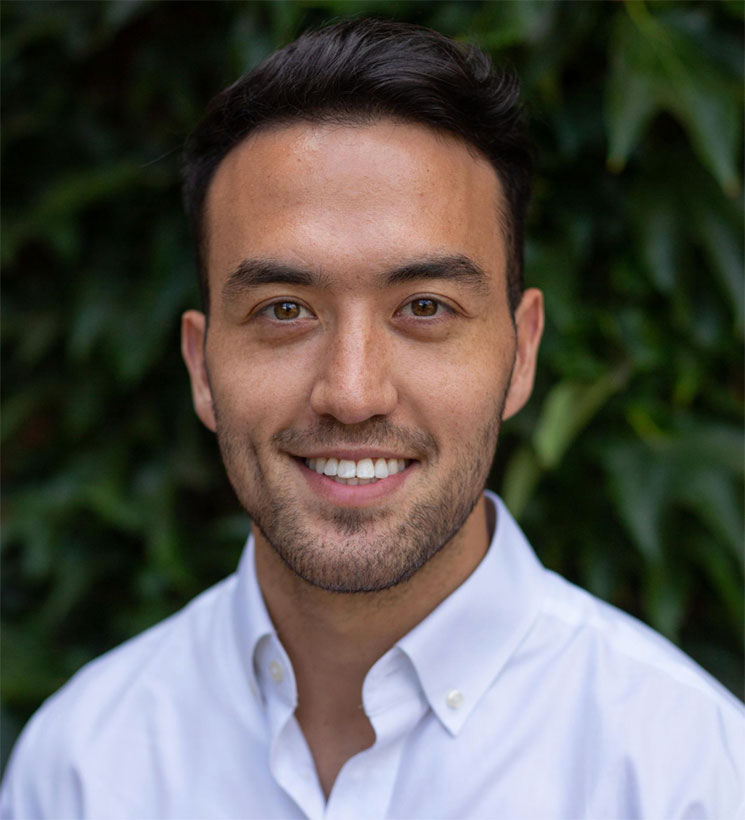
Sean
Founder, Succeed
Talk it through with Sean
“I can help you compare the programmes you're considering, think through the practicalities and work out what makes sense for you.”
20 minutes · No obligation to enrol
A practical overview of cost, accommodation, meals, dates and provider details to review before deciding.
Cost and what is included
$3,095; $2,695; includes Course materials and academic expenses, On-campus breakfast, lunch and dinner, Trips, tours and activities, Off-campus event transportation, Campus housing for residential students.
Accommodation
Residential or commuter
Meals
Breakfast, lunch and dinner
Provider details
Review the National Student Leadership Conference provider page and official sources before making a final decision.
Dates and logistics
6 days; Washington, DC; San Francisco, CA.
What to check before committing
Confirm current dates, payment terms, travel arrangements, cancellation rules and what is included with the provider.
Compare this program with similar options before deciding on dates, cost, format and fit.
Compare with similar programsEffort level
Moderate and fast-paced.
Best started
Begin planning two to three months before the intended session, allowing time for enrolment, funding and travel.
Main challenge
Staying engaged through a full program day and unfamiliar clinical activities.
Discuss which medical activities feel most interesting and why.
Review basic anatomy and the purpose of vital signs.
Plan accommodation, travel and dietary needs early.
Prepare questions about healthcare careers and patient care.
Useful if
You enjoy science, teamwork and learning by doing.
Students rotate through medical simulations, teamwork activities, leadership workshops and off-campus experiences designed to introduce healthcare and college life.
Explore anatomy through eye, heart and squid dissections.
Learn how clinicians collect and interpret basic vital signs.
Practise suturing techniques and examine injection muscle groups.
Develop patient-care communication and bedside manner.
Complete leadership workshops on communication, empathy and goal setting.
Join campus-specific museums, landmarks or science-focused trips.
Next cycle not announced yet. These dates are from the latest verified cycle and should be used as a reference only.
Applications
Rolling admissions
Accepted while program or waitlist space remained.
American University Residential — 16-21 June 2026
16-21 June 2026
American University Commuter — 16-21 June 2026
16-21 June 2026
American University Residential — 26 June-1 July 2026
26 June-1 July 2026
American University Commuter — 26 June-1 July 2026
26 June-1 July 2026
American University Residential — 5-10 July 2026
5-10 July 2026
American University Commuter — 5-10 July 2026
5-10 July 2026
UC Berkeley Residential — 13-18 July 2026
13-18 July 2026
UC Berkeley Commuter — 13-18 July 2026
13-18 July 2026
UC Berkeley Residential — 22-27 July 2026
22-27 July 2026
UC Berkeley Commuter — 22-27 July 2026
22-27 July 2026
| Milestone | Date | Timezone | Status | |
|---|---|---|---|---|
Applications | Rolling admissions | Local | Reference date | |
American University Residential — 16-21 June 2026 | 16-21 June 2026 | Local | Reference date | |
American University Commuter — 16-21 June 2026 | 16-21 June 2026 | Local | Reference date | |
American University Residential — 26 June-1 July 2026 | 26 June-1 July 2026 | Local | Reference date | |
American University Commuter — 26 June-1 July 2026 | 26 June-1 July 2026 | Local | Reference date | |
American University Residential — 5-10 July 2026 | 5-10 July 2026 | Local | Reference date | |
American University Commuter — 5-10 July 2026 | 5-10 July 2026 | Local | Reference date | |
UC Berkeley Residential — 13-18 July 2026 | 13-18 July 2026 | Local | Reference date | |
UC Berkeley Commuter — 13-18 July 2026 | 13-18 July 2026 | Local | Reference date | |
UC Berkeley Residential — 22-27 July 2026 | 22-27 July 2026 | Local | Reference date | |
UC Berkeley Commuter — 22-27 July 2026 | 22-27 July 2026 | Local | Reference date |
Currently enrolled in US Grade 6, 7 or 8
At least 11 years old
Academic excellence and leadership ability encouraged
Residential tuition
$3,095 — Includes campus housing.
Funding or discounts
What's included
Course materials and academic expenses, On-campus breakfast, lunch and dinner, Trips, tours and activities, Off-campus event transportation, Campus housing for residential students
Open the official NSLC online enrolment portal.
Create an NSLC ID or sign in to an existing account.
Enter the student's birth date, gender and current grade.
Choose an available program session and attendance option.
Complete the online application and place the required deposit.
Check the student account for availability, travel and program details.
Next step with Succeed
or let us know if .
Succeed replies first, usually within a working day
The program covers the following focus areas.
Anatomy and dissection
Examine internal structures through eye, heart and squid dissections.
Vital signs
Learn the four basic measurements collected at an appointment.
Clinical techniques
Practise suturing and explore muscle groups used for injections.
Patient care
Explore bedside manner and techniques for safe, comfortable appointments.
Leadership development
Build goal-setting, communication, listening and empathy skills.
Curriculum may be adjusted based on participant interests and current developments.
A typical day during the program.
Commuter students check in before daily activities.
Medical sessions, leadership workshops, meals and trips fill the program day.
Commuter students check out after evening activities.
Dedicated Team Advisors accompany smaller student groups during program activities and also serve as residential advisers. The available program details do not name individual medical instructors.
An on-site administrative team supports each location.
Residential students share with one or two roommates in their age range.
After completing this program, participants often pursue:
Use the experience to test interest in medical careers.
Build foundational understanding before high-school science courses.
Reflect on simulations in future applications or interviews.
Progress to more advanced medicine or biological-science enrichment.
Apply leadership and communication skills in school activities.
This middle school program does not include the optional high-school college-credit course.
The latest verified middle school program ran at American University in Washington, DC, and the University of California, Berkeley in the San Francisco Bay Area. Students used campus facilities and joined location-specific museum, landmark and science trips.
NSLC operates the program using university facilities; attendance does not imply university sponsorship or admission.
Compare these medicine and science programs by age, depth, format and location.
Medical preparation on a Cambridge college campus
Best for
Students aged 15-17 seeking deeper academic medicine.
Mentored medical research completed online
Best for
Students aged 13-18 wanting an academic research output.
University-style biology study in Cambridge
Best for
Students aged 16-18 exploring biological foundations.
Save this program in Succeed to compare it with similar programs, dates, costs and formats in one place.
Compare with other programsContent reviewed by
Co-founder, Succeed | Founder, Immerse Education (2012–2026)
Sean works at the intersection of academic enrichment, program quality and university preparation, with expertise in evaluating pre-university experiences for ambitious secondary school students.
Succeed uses official provider information where available, but keeps this public page focused on comparison and planning inside Succeed.
Program details checked
Eligibility reviewed
Session dates verified
Tuition options compared
Accommodation details checked
Scholarship terms reviewed
We use source material to verify core facts, then show older cycle dates as reference when a current cycle is not available. Always check current application instructions before applying.
Medicine & Health Care
by National Student Leadership Conference
Get the full picture before you decide
Request your Program Guide. We'll email it within 24 hours.
No account needed to compare programmes.