
Application deadline
1 April 2026
Summer 2026 College Prep credit-course application deadline.

Northwestern’s literature and ethics course examines crime, punishment, censorship, and American identity through novels, poetry, comics, film, and analytical writing.
See Succeed's assessment of the programme, who it may suit, the estimated total cost, what applying involves and what is still to confirm.
or let us know if .
What Succeed checks
We review public program details such as eligibility, age range, cost, duration, location, format, accommodation, meals and application timing.
What Last verified means
Last verified is the latest date Succeed checked the public details shown on this page. Program dates, prices and availability can still change.
How official sources are used
Succeed uses official provider information where available, then rewrites it into a student-facing summary for comparison and planning.
Why some dates are reference dates
If the current cycle is not available, Succeed may show the latest verified cycle dates so you can understand typical timing.
Succeed is independent from this provider unless a partnership is clearly stated.
Current status
Upcoming
Eligibility
Rising juniors and seniors; GPA 3.0+
Age range / Year group
Ages 16-18
Location / Region
Evanston, Illinois, United States
Cost
$6,936; $11,766
Duration
6 weeks
Format
In-person
This Northwestern English course asks how stories about criminals shape American identity and moral judgment. Literature and film become starting points for discussing law, punishment, and censorship.
Students contribute to discussion and produce written responses, a personal essay, and literary analysis papers. It suits readers who want to test their interpretations in an undergraduate classroom.
Topics in Literature & Ethics: is an undergraduate English credit course offered through Northwestern University’s College Preparation Program. Its featured topic, Crime and the Criminal in American Narratives, examines how crime and punishment influence ideas of American identity.
Students compare written, natural, and divine law while exploring criminal transgression, censorship, and book banning. Novels, poetry, comics, and films support discussion and analytical writing, with College Prep students studying alongside Northwestern and visiting university students.
The focus on crime and punishment gives literary analysis a clear ethical question to investigate.
The reading and viewing list spans novels, poetry, comics, and film, encouraging comparisons across forms.
Discussion and several writing formats offer more sustained practice than a single final assignment.
Studying with university students provides a direct test of undergraduate classroom expectations.
Wildcat Connect workshops add practical college-preparation activities alongside academic study.
Curious readers who enjoy debating moral questions and supporting interpretations with close analysis of texts.
You want a light enrichment experience or a course focused primarily on creating fiction rather than analyzing literature.
The academic value is strongest if you want to experience undergraduate English study and develop an argument across several texts. Discussion, regular responses, and longer essays give you concrete work to reflect on afterward.
The financial commitment needs to make sense for your family, and the workload requires consistent attendance and independent study. Choose it for the learning experience: Northwestern explicitly says College Prep participation does not guarantee undergraduate admission.
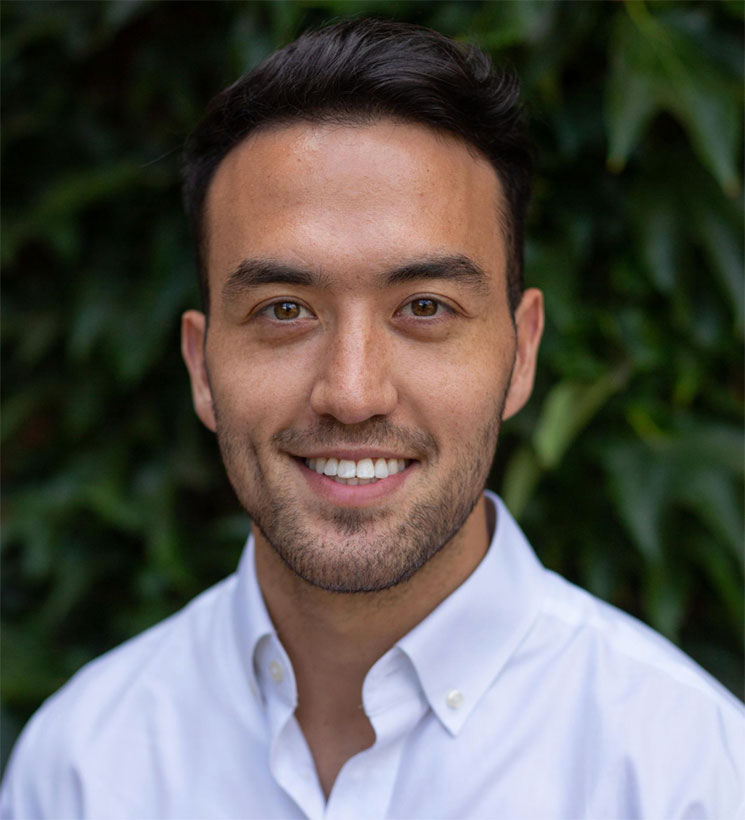
Sean
Founder, Succeed
Talk it through with Sean
“I can help you compare the programmes you're considering, think through the practicalities and work out what makes sense for you.”
20 minutes · No obligation to enrol
A practical overview of cost, accommodation, meals, dates and provider details to review before deciding.
Cost and what is included
$6,936; $11,766; includes One undergraduate credit class, Wildcat Connect: Get Ready Series workshops, Free Writing Place tutoring while enrolled, Residential option: shared room and three meals daily, Access to Northwestern libraries and campus resources.
Accommodation
Shared double rooms; assigned roommates
Meals
Residential: three meals daily
Provider details
Review the Northwestern College Prep provider page and official sources before making a final decision.
Dates and logistics
6 weeks; Evanston, Illinois, United States.
What to check before committing
Confirm current dates, payment terms, travel arrangements, cancellation rules and what is included with the provider.
Compare this program with similar options before deciding on dates, cost, format and fit.
Compare with similar programsEffort level
High.
Best started
Allow six to eight weeks before a future intake’s published application deadline for writing, transcripts, and travel planning.
Main challenge
Turning ethical opinions into text-based literary arguments.
Practice writing a short analysis that supports one claim with specific passages.
Prepare examples of a rewarding academic project and explain your interest in this course for the personal statement.
Arrange official transcripts early and reserve class afternoons without conflicting commitments.
Review the reading list two to four weeks before classes begin and plan time for reading outside class.
Useful if
You want to test your readiness for college-level humanities study.
You read and watch American narratives, then discuss how their portrayals of crime connect with law, punishment, identity, and censorship. Written responses and essays turn those discussions into your own interpretations.
Read the assigned novels, poetry, comics, and short stories, and watch the listed films.
Discuss ethical philosophies of law and competing understandings of criminal behavior.
Write brief responses to each text.
Develop a personal essay and literary analysis papers using the available length options.
Next cycle not announced yet. These dates are from the latest verified cycle and should be used as a reference only.
Application deadline
1 April 2026
Summer 2026 College Prep credit-course application deadline.
Programme dates
22 June-2 August 2026
| Milestone | Date | Timezone | Status | |
|---|---|---|---|---|
Application deadline | 1 April 2026 | Local | Reference date | |
Programme dates | 22 June-2 August 2026 | Local | Reference date |
Be a rising high school junior or senior.
Have a cumulative GPA of at least 3.0/4.0.
Submit a personal statement and extracurricular activity list.
Provide official high school transcripts in English.
Provide English proficiency scores when required.
Live with a responsible adult over 18 if commuting.
Normally take two classes if attending on an F-1 visa.
Commuter program fee
$6,936 — One class: $5,781 tuition plus $1,155 program fee.
Funding or discounts
What's included
One undergraduate credit class, Wildcat Connect: Get Ready Series workshops, Free Writing Place tutoring while enrolled, Residential option: shared room and three meals daily, Access to Northwestern libraries and campus resources
Use Northwestern College Prep admissions and select the credit-course option for ENGLISH 288-0.
Write approximately 500 words addressing your rewarding academic experience and reasons for choosing the course.
List extracurricular activities with dates, descriptions, and your roles.
Arrange official English-language transcripts and any required TOEFL, IELTS, or DET score.
Submit the complete application with the non-refundable $60 application fee.
After acceptance, follow the account-setup instructions, pay the deposit, and complete SchoolDoc registration for course enrollment.
Next step with Succeed
or let us know if .
Succeed replies first, usually within a working day
The program covers the following focus areas.
Crime and American identity
Examine how stories of crime and punishment construct competing ideas of American identity.
Ethical philosophies of law
Compare written, natural, and divine law when discussing transgression and punishment.
Censorship and book banning
Consider whether a text itself can be treated as a crime.
Literature and film analysis
Analyze novels, poetry, comics, short stories, and films through discussion and written interpretation.
Curriculum may be adjusted based on participant interests and current developments.
A typical day during the program.
Meet from 1:00–3:30 p.m. in Evanston local time, totaling five class hours weekly.
Complete readings, written responses, a personal essay, and literary analysis papers.
Check in by 10 p.m. Sunday–Thursday and 11 p.m. Friday–Saturday.
Bill Savage teaches the course and offers office hours by appointment. Northwestern expects College Prep credit students to show the same commitment and involvement as university students.
Roommates are assigned, and students cannot choose their roommate.
After completing this program, participants often pursue:
Earn one Northwestern credit unit on successful completion.
Receive a course grade and request an official transcript.
Build written work through responses, a personal essay, and literary analysis papers.
Use college-preparation workshops to understand academic and admissions expectations.
Credit transfer depends on the receiving institution; participation does not guarantee Northwestern admission.
Classes meet in Kresge Centennial Hall 2-325 on Northwestern’s lakefront Evanston campus, north of Chicago. CTA buses and trains connect Evanston with Chicago, and Metra serves surrounding suburbs.
Families arrange airport transportation; CPP does not provide transfers from O’Hare or Midway.
Compare these options if you prefer independent research, creative writing, or a broader philosophical focus.
Online research mentorship with literature among its subjects
Best for
Students interested in researching literature
Creative writing study in St Andrews
Best for
Students who prefer creative writing
Philosophy, politics, and economics study in Cambridge
Best for
Students connecting philosophy with public affairs
Save this program in Succeed to compare it with similar programs, dates, costs and formats in one place.
Compare with other programsContent reviewed by
Co-founder, Succeed | Former secondary teacher and educational leader
Ben works at the intersection of education, technology and school adoption, with expertise in how secondary schools evaluate data-driven tools and how education technology is used in practice.
Succeed uses official provider information where available, but keeps this public page focused on comparison and planning inside Succeed.
Course identity checked
Class timetable checked
Application deadline checked
Eligibility requirements reviewed
Fee components calculated
Credit guidance reviewed
Residential policies reviewed
Scholarship requirements reviewed
We use source material to verify core facts, then show older cycle dates as reference when a current cycle is not available. Always check current application instructions before applying.
Topics in Literature & Ethics:
by Northwestern College Prep
May qualify for the £300 Succeed Programme Award.
Get the full picture before you decide
Succeed's assessment, estimated total cost and what applying involves.
No account needed for the Guide or Compare.