
Applications
Rolling admissions
Applications are reviewed as they arrive.

by Outset
A residential pre-med experience introducing cardiology through hands-on skills labs, medical speakers and a realistic look at the specialty.
See Succeed's assessment of the programme, who it may suit, the estimated total cost, what applying involves and what is still to confirm.
or let us know if .
What Succeed checks
We review public program details such as eligibility, age range, cost, duration, location, format, accommodation, meals and application timing.
What Last verified means
Last verified is the latest date Succeed checked the public details shown on this page. Program dates, prices and availability can still change.
How official sources are used
Succeed uses official provider information where available, then rewrites it into a student-facing summary for comparison and planning.
Why some dates are reference dates
If the current cycle is not available, Succeed may show the latest verified cycle dates so you can understand typical timing.
Succeed is independent from this provider unless a partnership is clearly stated.
Current status
Applications open
Eligibility
US Grades 9-12
Age range / Year group
Ages 14-18
Location / Region
Chapel Hill; Los Angeles; New York City
Cost
$2,950
Duration
1 week
Format
In-person
Application deadline
Rolling · Next cycle not announced yet. These dates are from the latest verified cycle and should be used as a reference only.
Save programThis residential pre-med program offers a focused introduction to cardiology through practical skills labs, career exploration and sessions with medical professionals.
Students examine what cardiologists do, how doctors train and specialize, and the realistic advantages and drawbacks of the career.
It suits students seriously considering medicine who want a structured campus experience before committing to a longer academic pathway.
The Cardiology Summer Program is Outset's residential introduction to cardiology and the route from medical school into the specialty. Students explore cardiologists' work, medical training, subspecialties and the realities of the career.
The experience combines classroom learning, hands-on skills sessions and talks from physicians, medical faculty and medical students. Campus living, shared meals and organized evening activities add a broader taste of residential student life.
The curriculum focuses on a specific medical specialty rather than offering only a broad introduction to healthcare.
Hands-on labs complement sessions about cardiology training, subspecialties and career tradeoffs.
Physicians, medical faculty and medical students contribute practical professional perspectives.
Housing, meals, evening activities and 24/7 staffing are included in the residential experience.
Need-based financial aid and a small number of full scholarships are available.
Students with a serious interest in medicine who want to test cardiology through practical sessions and residential campus life.
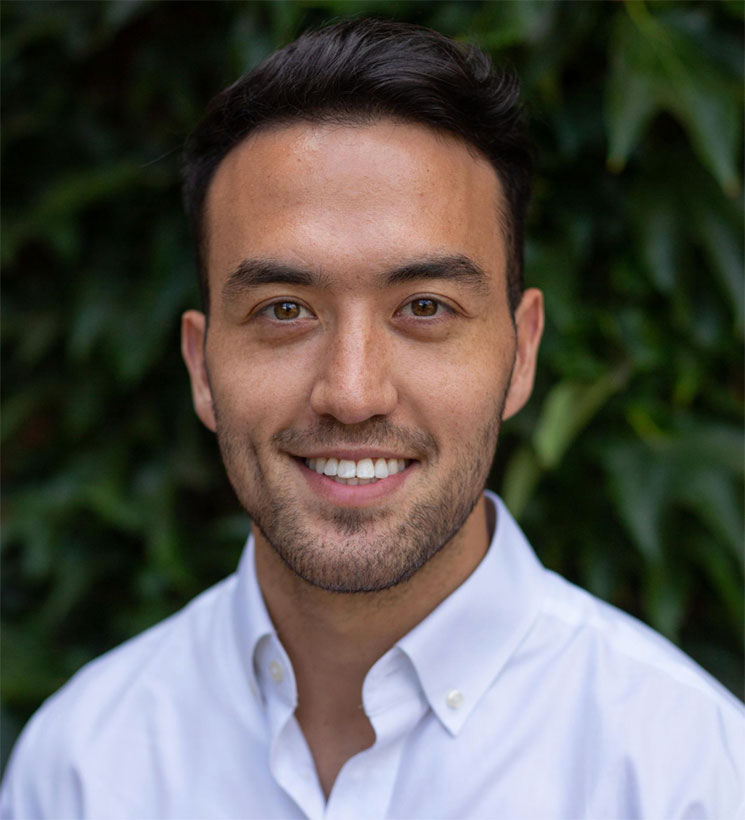
Sean
Founder, Succeed
Talk it through with Sean
“I can help you compare the programmes you're considering, think through the practicalities and work out what makes sense for you.”
20 minutes · No obligation to enrol
A practical overview of cost, accommodation, meals, dates and provider details to review before deciding.
Cost and what is included
$2,950; includes Shared university dorm accommodation, Meals from Sunday dinner through Friday lunch, All academic programming, Hands-on labs and skills sessions, Medical doctor and faculty speakers, Evening activities, 24/7 campus staffing.
Accommodation
Shared university dorms
Meals
Sunday dinner to Friday lunch
Provider details
Review the Outset provider page and official sources before making a final decision.
Dates and logistics
1 week; Chapel Hill; Los Angeles; New York City.
What to check before committing
Confirm current dates, payment terms, travel arrangements, cancellation rules and what is included with the provider.
Compare this program with similar options before deciding on dates, cost, format and fit.
Compare with similar programsEffort level
Moderate.
Best started
Begin at least four to six weeks before your preferred summer session because admissions are rolling and campus options can fill.
Main challenge
Explaining a genuine interest in medicine during the application and admissions call.
Review the cardiology curriculum and note which specialty topics interest you most.
Prepare a concise explanation of why you are considering medicine and cardiology.
Have recent academic information ready in case a transcript or teacher reference is requested.
If admitted, complete payments, forms, the pre-departure webinar and packing review through the student portal.
Useful if
You can identify specific cardiology questions or experiences you want to explore.
Students move through a residential week of cardiology-focused teaching, practical medical sessions, campus meals and organized evening activities.
Learn what cardiologists do and how the specialty fits within medicine.
Explore medical education, cardiology training routes and subspecialties.
Practice specialty-related skills in hands-on labs.
Hear from physicians, medical faculty and medical students.
Discuss the advantages and drawbacks of a cardiology career.
Join campus free time, shared meals and organized evening activities.
The program covers the following focus areas.
The cardiologist's role
Explore what cardiologists do in medical practice.
Training and subspecialties
Understand medical education, specialty training and cardiology pathways.
Hands-on medical skills
Practice clinical techniques in structured skills labs.
Professional perspectives
Learn from physicians, medical faculty and medical students.
Career evaluation
Consider the advantages and drawbacks of a cardiology career.
Curriculum may be adjusted based on participant interests and current developments.
A typical day during the program.
Classroom sessions introduce pre-med pathways and medical topics.
Students complete hands-on activities and hear from a medical speaker.
Staff organize activities such as bowling or on-campus social events.
Students return to the dorm after evening free time.
Hands-on labs and specialty sessions are taught by trained physicians, medical faculty and medical students. The curriculum also includes medical doctor and faculty speakers who share practical career perspectives.
Bathrooms are shared in hall- or suite-style arrangements. Single rooms may be available for an extra fee.
After completing this program, participants often pursue:
Clarify whether cardiology matches your interests.
Understand the route from medical school to specialization.
Use practical experience to reflect on future medical study.
Discuss the experience in a personal statement where relevant.
Return for another Outset program without reapplying.
Outset describes the experience as an extracurricular, not a deciding factor in college admission.
The latest verified cardiology sessions were hosted at UNC-Chapel Hill in Chapel Hill, UCLA in Los Angeles and Columbia University in New York City. Students live and study on the host campus, although Outset is the program provider rather than the university itself.
Outset is affiliated with some, but not all, host universities.
Program fee
$2,950 — Housing, meals and programming included.
Funding or discounts
What's included
Shared university dorm accommodation, Meals from Sunday dinner through Friday lunch, All academic programming, Hands-on labs and skills sessions, Medical doctor and faculty speakers, Evening activities, 24/7 campus staffing
Students in US Grades 9-12
Strong academic record
Clear interest in healthcare
Statement explaining interest in medicine
Video admissions call after initial screening
Reference and transcript for some applicants
Complete the free online application, including your interest in medicine.
Attend a 10-minute video call if you pass the initial screening.
Provide a teacher reference and transcript if the admissions team requests them.
Wait for the admissions decision, usually issued within one week.
If seeking aid, request it within the same application.
Next cycle not announced yet. These dates are from the latest verified cycle and should be used as a reference only.
Applications
Rolling admissions
Applications are reviewed as they arrive.
UNC-Chapel Hill
14 June 2026
UCLA
28 June 2026
Columbia University
5 July 2026
| Milestone | Date | Timezone | Status | |
|---|---|---|---|---|
Applications | Rolling admissions | Local | Reference date | |
UNC-Chapel Hill | 14 June 2026 | Local | Reference date | |
UCLA | 28 June 2026 | Local | Reference date | |
Columbia University | 5 July 2026 | Local | Reference date |
The program can be worthwhile for a student who wants a concentrated, practical test of their interest in cardiology. Specialty-focused labs and access to medical speakers offer more structure than independent career research.
The main limitation is value for money: it is a short, paid experience and does not replace strong grades, sustained subject engagement or clinical training. Families should weigh the residential inclusions and financial-aid options against less expensive ways to explore medicine.
Next step with Succeed
or let us know if .
Succeed replies first, usually within a working day
Compare these related medicine programs if you want a broader healthcare focus, a different campus or another age range.
General medicine and healthcare career exploration
Best for
Students who are not ready to specialize in cardiology.
Introductory healthcare program for younger teens
Best for
Students aged 12-14 beginning to explore medicine.
Specialty-focused exploration of pediatric medicine
Best for
Students comparing different medical specialties.
Residential medicine study in New Haven
Best for
Older students seeking broader academic medicine.
Save this program in Succeed to compare it with similar programs, dates, costs and formats in one place.
Compare with other programsContent reviewed by
Co-founder, Succeed | Founder, Immerse Education (2012–2026)
Sean works at the intersection of academic enrichment, program quality and university preparation, with expertise in evaluating pre-university experiences for ambitious secondary school students.
Succeed uses official provider information where available, but keeps this public page focused on comparison and planning inside Succeed.
Program details reviewed
Campus dates checked
Eligibility reviewed
Tuition verified
Admissions process checked
Housing and meals reviewed
Financial aid checked
We use source material to verify core facts, then show older cycle dates as reference when a current cycle is not available. Always check current application instructions before applying.
Cardiology Summer Program
by Outset
Get the full picture before you decide
Succeed's assessment, estimated total cost and what applying involves.
No account needed for the Guide or Compare.