
Applications
Rolling admissions
Applications were accepted until courses filled.

A hands-on course exploring communication, media bias, identity and equity through discussion, argumentative writing and a final group presentation.
See Succeed's assessment of the programme, who it may suit, the estimated total cost, what applying involves and what is still to confirm.
or let us know if .
What Succeed checks
We review public program details such as eligibility, age range, cost, duration, location, format, accommodation, meals and application timing.
What Last verified means
Last verified is the latest date Succeed checked the public details shown on this page. Program dates, prices and availability can still change.
How official sources are used
Succeed uses official provider information where available, then rewrites it into a student-facing summary for comparison and planning.
Why some dates are reference dates
If the current cycle is not available, Succeed may show the latest verified cycle dates so you can understand typical timing.
Succeed is independent from this provider unless a partnership is clearly stated.
Current status
Applications open
Eligibility
Grades 9-12; 3.0 GPA
Age range / Year group
Ages 14-18
Location / Region
San Luis Obispo, California, United States
Cost
$5,398 residential; $2,998 commuter
Duration
2 weeks
Format
In-person
Application deadline
Rolling · Next cycle not announced yet. These dates are from the latest verified cycle and should be used as a reference only.
Save programCommunication and Society builds practical communication skills around identity, culture, diversity, equity and social responsibility.
Students analyze media and social norms, practice argumentative writing and public speaking, and discuss sensitive issues in a structured setting.
It suits students who want a broadly useful humanities course with collaborative discussion and presentation work rather than a narrowly career-specific class.
Communication & Society is a Cal Poly SLO summer course delivered through Summer Springboard's campus program. It examines how communication shapes social norms, identities and cultural perceptions while helping students recognize bias in media.
Students learn through writing assignments, class discussions, public-speaking exercises and collaborative projects. The experience connects communication theory with interpersonal conflict, relationships, advocacy and real-world social issues.
The course combines media literacy, public speaking and argumentative writing instead of treating communication as a single skill.
Students apply ideas through discussion, writing and a final collaborative presentation.
The curriculum addresses bias, identity and social norms while explicitly teaching respectful dialogue.
Cal Poly participants can earn three Continuing Education Units, a participation letter and a completion certificate.
Residential and commuter formats let families choose between campus immersion and daytime attendance.
Students who enjoy discussion and want to communicate more confidently about media, identity, culture and complex social issues.
You prefer an exam-led course, a highly technical subject or an experience without collaborative discussion and presentation work.
This course can be worthwhile for students seeking transferable communication skills rather than training for one specific career. Its mix of media analysis, persuasive writing, public speaking and group work creates several ways to test and improve those skills.
The main limitation is that its breadth may not suit students looking for deep specialization in politics, sociology or journalism. Families should also decide whether the wider campus experience and credential justify the substantial tuition and additional application costs.
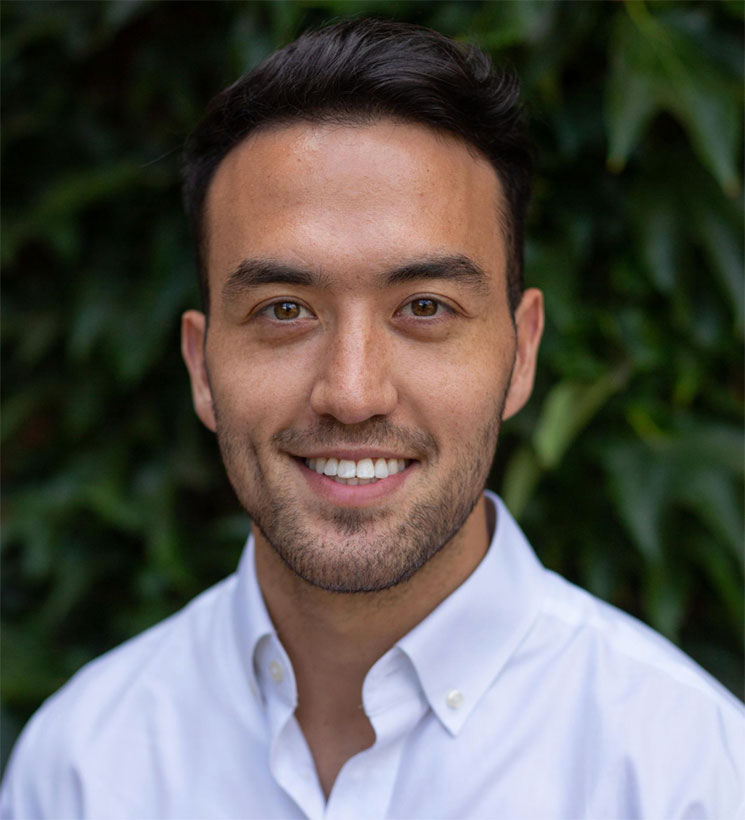
Sean
Founder, Succeed
Talk it through with Sean
“I can help you compare the programmes you're considering, think through the practicalities and work out what makes sense for you.”
20 minutes · No obligation to enrol
A practical overview of cost, accommodation, meals, dates and provider details to review before deciding.
Cost and what is included
$5,398 residential; $2,998 commuter; includes Residential tuition includes the academic program and excursions., Residential tuition includes lodging and three daily meals., Residential tuition includes evening activities and weekend excursions., Commuter tuition includes the academic program and weekday lunch., Both options include college tours and readiness workshops..
Accommodation
Residential and commuter options
Meals
3 daily residential; weekday commuter lunch
Provider details
Review the Summer Springboard provider page and official sources before making a final decision.
Dates and logistics
2 weeks; San Luis Obispo, California, United States.
What to check before committing
Confirm current dates, payment terms, travel arrangements, cancellation rules and what is included with the provider.
Compare this program with similar options before deciding on dates, cost, format and fit.
Compare with similar programsEffort level
Moderate.
Best started
Begin four to six weeks before the next admissions deadline to prepare the application, essays and required forms.
Main challenge
Discussing sensitive social issues clearly, respectfully and persuasively.
Read varied news coverage of the same issue and note differences in framing.
Practice presenting a short argument aloud with evidence and a clear conclusion.
Reflect on how identity and experience can shape communication.
Prepare examples showing curiosity, maturity and readiness for campus life.
Useful if
You are willing to listen closely, revise your ideas and contribute to group work.
Students combine critical analysis with practical communication work, moving from media and social questions to written arguments, discussion and a collaborative presentation.
Analyze social norms, news coverage, bias and perspective.
Explore social movements connected with gender, race, sexual orientation and equity.
Discuss interpersonal communication, conflict and relationships.
Practice public speaking and advanced argumentative writing.
Apply communication techniques to real-world social issues in group work.
Develop and deliver a final group presentation.
Next cycle not announced yet. These dates are from the latest verified cycle and should be used as a reference only.
Applications
Rolling admissions
Applications were accepted until courses filled.
Programme dates
19-31 July 2026
| Milestone | Date | Timezone | Status | |
|---|---|---|---|---|
Applications | Rolling admissions | Local | Reference date | |
Programme dates | 19-31 July 2026 | Local | Reference date |
Students in Grades 9-12.
Students entering high school may enroll.
Spring high-school graduates may enroll.
Minimum 3.0 GPA or local equivalent.
International students must demonstrate English proficiency.
All applicants must meet essential eligibility criteria.
Program tuition
$5,398; $2,998 — Residential and commuter options.
Funding or discounts
What's included
Residential tuition includes the academic program and excursions., Residential tuition includes lodging and three daily meals., Residential tuition includes evening activities and weekend excursions., Commuter tuition includes the academic program and weekday lunch., Both options include college tours and readiness workshops.
Open the official application portal and enter basic contact information.
Verify the email address and complete the account details.
Select Cal Poly, the preferred session, Communication & Society and a tuition type.
Complete the student information and short-answer questions with the student present.
Sign the required agreements and submit the $600 deposit and application fee.
Wait for the enrollment decision and complete any additional forms provided after acceptance.
Next step with Succeed
or let us know if .
Succeed replies first, usually within a working day
The program covers the following focus areas.
Media literacy
Analyze news, social norms, bias and competing perspectives.
Identity and society
Examine gender, race, culture, diversity, equity and social movements.
Persuasive communication
Practice public speaking and clear argumentative writing.
Interpersonal communication
Discuss conflict, relationships and respectful communication on sensitive issues.
Collaborative presentation
Apply course ideas in group projects and a final presentation.
Curriculum may be adjusted based on participant interests and current developments.
A typical day during the program.
Students take their selected academic course.
Students join a recreational activity or academic excursion.
College-readiness or personal-development workshops follow.
Residential students participate in clubs or other activities.
The named course instructor is Dr. Christina Kaviani, a Cal Poly lecturer in communications and Women, Gender & Queer Studies. Her background includes more than a decade in gender-based violence prevention education and response.
The Cal Poly partnership states that courses are taught by Cal Poly faculty with access to university facilities.
Residential students should consult current logistics for final room assignments and packing guidance.
After completing this program, participants often pursue:
Earn three Cal Poly Continuing Education Units.
Receive a letter of participation and certificate of completion.
Use completed writing and presentation work to reflect on communication growth.
Apply media-literacy and persuasive-communication skills across future subjects.
Explore communication-related pathways in business, law, education, healthcare or advocacy.
The course supports broad career exploration rather than qualification for one profession.
The course takes place on the Cal Poly SLO campus in San Luis Obispo, between California's rolling hills and Central Coast. Campus programming can include university facilities, nearby beaches, local attractions and course-related excursions.
Optional chaperoned transfers are available from San Luis Obispo airport for an additional fee.
Compare these related programs if you want a different balance of politics, social science, debate or broader pre-college study.
Politics and social science study in Cambridge
Best for
Students wanting a more explicitly political and research-focused course.
Politics, debate and international relations in London
Best for
Students primarily interested in government, diplomacy and international affairs.
Interdisciplinary Cambridge pre-college academic experience
Best for
Students who want wider subject choice and a traditional pre-college atmosphere.
Save this program in Succeed to compare it with similar programs, dates, costs and formats in one place.
Compare with other programsContent reviewed by
Co-founder, Succeed | Former secondary teacher and educational leader
Ben works at the intersection of education, technology and school adoption, with expertise in how secondary schools evaluate data-driven tools and how education technology is used in practice.
Succeed uses official provider information where available, but keeps this public page focused on comparison and planning inside Succeed.
Course details checked
Learning outcomes reviewed
Tuition options verified
Eligibility reviewed
Session date checked
Instructor credentials reviewed
Campus logistics checked
Policies reviewed
We use source material to verify core facts, then show older cycle dates as reference when a current cycle is not available. Always check current application instructions before applying.
Communication & Society High School Course
by Summer Springboard
May qualify for the £300 Succeed Programme Award.
Get the full picture before you decide
Succeed's assessment, estimated total cost and what applying involves.
No account needed for the Guide or Compare.