Stanford Center for Asian Health Research and Education
Palo Alto, United States
About Stanford Center for Asian Health Research and Education
The Stanford Center for Asian Health Research and Education (Stanford CARE) is a center at Stanford University that studies health conditions affecting Asian and Asian American communities. It organizes its work around three pillars: research, education and community. Its research focuses on lung cancer, gastric and other gastrointestinal (GI) cancers, and cardiovascular disease, and it hosts summits on lung and gastric cancer. For high school students, the main option is Stanford CARE Explorers: AI x Precision Health High School Program. It's a two-week summer program that combines AI basics, health data and lectures from Stanford physicians and researchers. Stanford CARE also runs CARE Scholars, a virtual year-long research program for applicants aged 18 or older. Its other activities include fellowships, a monthly community health talk series and an annual CARE Award. The center is based at 3180 Porter Drive in Palo Alto, California.
Teaching style
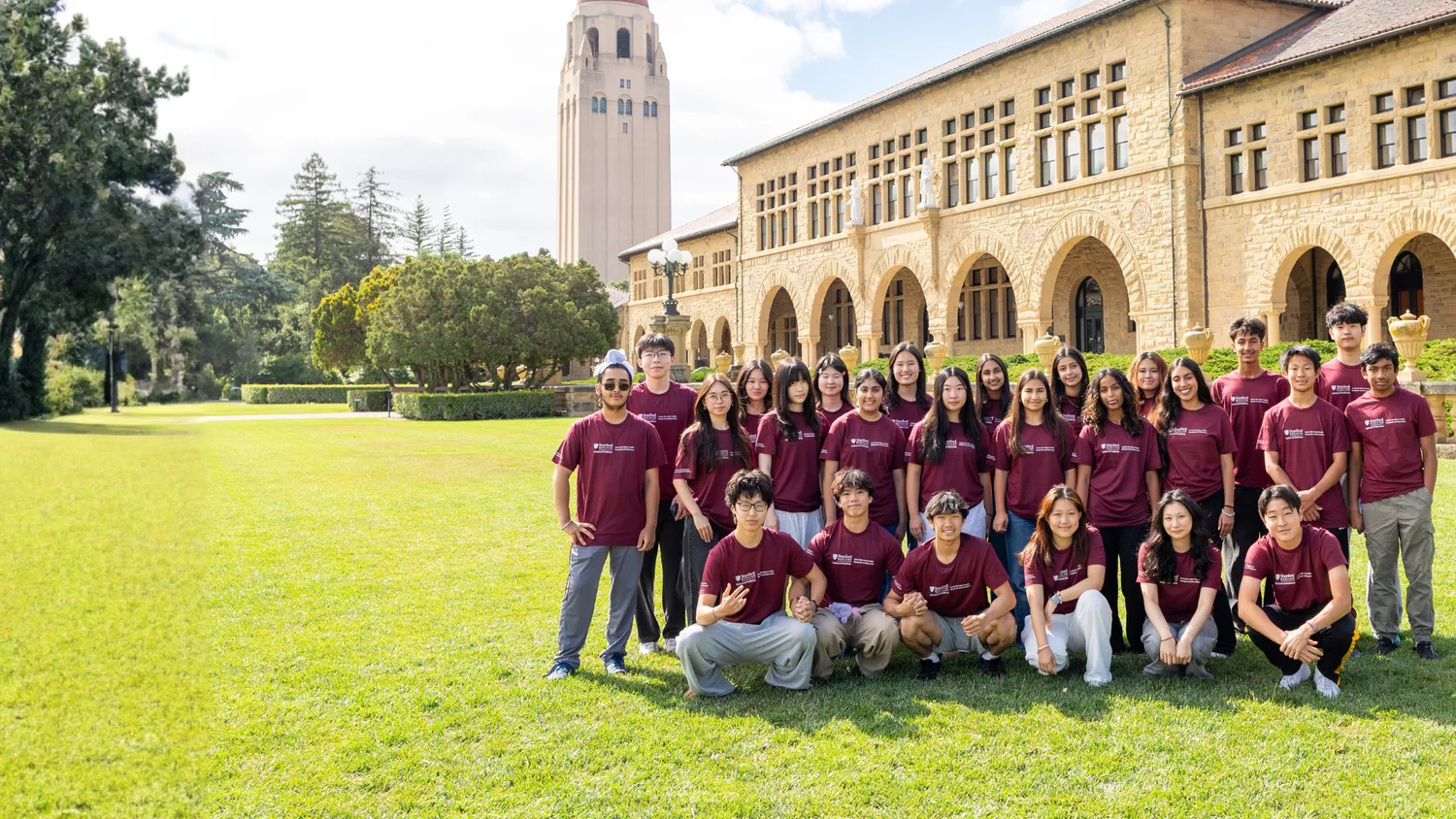
Stanford CARE Explorers is taught live, whether you join on campus or online. Stanford CARE says the virtual sessions run in real time on Zoom, so there are no recorded lessons to work through on your own. In-person days run on weekdays from 9:00 am to 3:00 pm. Virtual classes run on weekdays from 8:30 am to 1:00 pm Pacific Time. You'll need a computer for either format. The sample schedule mixes short skill sessions with guest lectures. The early days cover large language models, prompt engineering, data analysis and statistics. Later days include guest lectures on heart disease, lung cancer in Asian Americans, GI cancers and alcohol flushing. A large share of the time goes to a team Asian health project. Teams practice and get feedback before giving final presentations on day ten. Stanford CARE notes that the schedule is only a sample and may change.
Reputation & Succeed take
Stanford CARE's standing comes from its faculty's research and public profile in Asian health. Its news page lists coverage of its faculty in outlets including The New York Times, The Washington Post, NBC News and the San Francisco Chronicle. Stanford CARE has announced that co-founder Dr. Bryant Lin was named Physician of the Year. It has also announced that Dr. Robert Huang received an NIH R37 MERIT Award from the National Cancer Institute. In February 2025 the center announced a $5 million gift to launch a new program called ADVANCE. These are the center's own announcements and listings, and none of them evaluates the high school program itself.
Our take
In Succeed's view, Stanford CARE Explorers suits a student who's curious about medicine and AI and wants a structured introduction to both without a coding background. Stanford CARE says no prior experience with data science or AI is required. The program lasts about two weeks. The trade-offs are cost and logistics. The in-person fee is $5,725 and includes no housing, so it realistically works only for families who already live within commuting distance of Stanford. The virtual option costs $3,500 and is open to students anywhere, as long as the Pacific Time schedule fits. The program centers on a team project and a presentation. It isn't an independent research paper, so plan accordingly.
Stanford CARE's two student programs fit different stages. Stanford CARE Explorers is for high school students aged 14 and up and lasts about two weeks. CARE Scholars is a virtual, year-long research program for applicants aged 18 or older. It includes a nine-week summer phase that Stanford CARE describes as full time (40 hours a week). Stanford CARE says CARE Scholars are expected to write and submit manuscripts for publication. Explorers ends with team presentations. For a high school student, Explorers is the realistic place to start, and CARE Scholars becomes an option after turning 18.
Who this provider suits
Who should choose them
This may suit you if you're a rising sophomore, junior or senior aged 14 or older with an interest in medicine, public health or AI. It fits students who enjoy teamwork and want to hear directly from Stanford physicians and researchers. The in-person option works for families who live near Stanford. The virtual option works for students elsewhere in the US or abroad who can attend live sessions on Pacific Time.
Who it may not suit
Who should skip it: students who would need housing for the in-person sessions. Stanford CARE provides none and requires participants to live locally with a parent or guardian. Students whose time zone puts 8:30 am to 1:00 pm Pacific Time in the middle of the night may struggle with the virtual option. If you want a solo research project or a publication, the team format won't offer that. Rising freshmen aren't eligible.