
Boston College Experience BCE Two-Week Non-Credit Program
- 2027 program
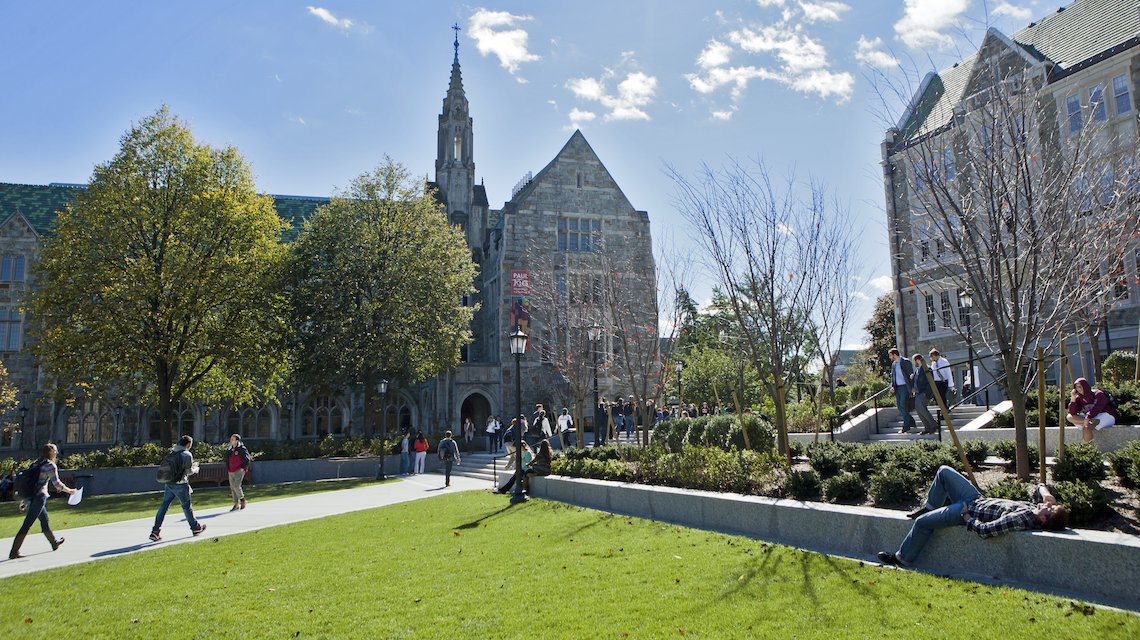
The BCE Two-Week Non-Credit Program brings high school students to Boston College's Chestnut Hill campus to take one college-style course for two weeks. In 2026 the courses ranged from forensics and finance to creative writing and design thinking. On campus, each day combines five hours of class with afternoon workshops on college admissions, careers and wellness, and each session includes a required weekend excursion and a final project or presentation. You can live in a residence hall or commute, and a couple of psychology courses run fully online.

At a glance
Official facts · checked 12 Nov 2026- DatesOfficial
- 2027: 27 June to 9 July (Session 1), 11 to 23 July (Session 2), 25 July to 6 August (Session 3)
- Who can applyOfficial
- Rising high school sophomores, juniors and seniors. For 2026: at least 15 years old by 28 June 2026 and not turning 19 by 7 August 2026. Non-native English speakers need TOEFL iBT 100, IELTS 7.5 or Duolingo 130, or a waiver after at least two years at an English-medium school
- Total costOfficial
- $5,800 residential, $3,200 commuter, $2,000 online (2026)
- Format and placeOfficial
- In person, University residence hall, Chestnut Hill, Massachusetts
- Length
- Two weeks
- Included / budget separately
- Included: accommodation, meals (On-campus meal plan included for residential students). Separately: application fee $70 (non-refundable), Commuter meals in dining halls, paid by card, Summer parking permit for commuters who drive, U.S.-based health insurance for international on-campus students
- Deposit and refunds
- Withdraw by 26 May 2026: 100% of the program fee refunded (2026 schedule)
- Financial aid
- Not published
- Apply by
- Not published
- Cohort and selectivity
- Seats are limited, and complete applications are reviewed in dated rounds. Boston College publishes no acceptance rate or cohort size
- Credit or certificate
- Certificate of completion from the Boston College Experience (no academic credit)
Succeed's assessment
Should you apply?
SucceedIn short
Why it's worth it
You spend five hours a day on a single subject and finish with a project or presentation, while the afternoons and weekend add Boston College's own admissions workshop, career sessions and a course-linked trip. That's a real feel for college work and campus life packed into a short window.
What it asks of you
It's a sizable cost for two weeks with no financial aid, and on campus the days run from morning class to evening activities, so you'll have little time to yourself.
Who should skip it
Students hoping to strengthen a transcript or a Boston College application. The courses carry no credit, and Boston College says taking part has no influence on an application to its undergraduate program.
Visa risk for international families
Boston College doesn't issue student visas for this program, so you enter on a B-2 visa or the Visa Waiver Program. A visa delay or denial isn't accepted as a reason for a refund, and the fee is due within two weeks of acceptance, so find out early how long a visitor visa takes where you live.
What does a day on campus look like?
You spend five hours a day in class, from 9 a.m. to noon and again from 1 to 3 p.m., all in the one course you chose. After a half-hour break comes the BCE Workshop Series from 3:30 to 4:45 p.m. It's mandatory, and you pick your workshops from a list emailed after admission. In 2025 the options ranged from yoga and pickleball to negotiation, financial literacy and a career services workshop, and every student attends the BC Admissions Workshop.
Dinner runs from 5 to 7 p.m. and planned social activities fill 7 to 9 p.m., while residential students have to be back in the building by 10 p.m. Boston College says homework is usually no more than two hours a night. Each session also has one mandatory weekend excursion tied to your course, with an academic assignment attached, and past trips have included the Museum of Science, a tour of Fenway Park and the Institute of Contemporary Art.
Who gets in, and what does the application ask for?
You need to be a rising high school sophomore, junior or senior, and students already in their senior year can't apply. For 2026 that meant being 15 by 28 June 2026 and not turning 19 by 7 August 2026. Boston College publishes no acceptance rate or cohort size. It only says seats are limited and strongly recommends applying early.
The application asks for a 250- to 500-word personal statement on why you're applying, an essay answering the question set for your first-choice course, two letters of recommendation, an unofficial transcript and a $70 non-refundable fee. The 2026 course questions varied a lot in what they asked. Forensics asked why you're interested and what you hope to take away, while Government, Globalism & World Affairs wanted three challenges to the global network, each defined in detail with examples. Boston College won't review an application until everything is in, and chasing missing recommendations is up to you.
English tests
If English is your second language, you need at least 100 on the TOEFL iBT, 7.5 on IELTS or 130 on the Duolingo English Test. If you've studied for two or more years at a school that teaches in English, you can request a waiver with a transcript showing that.
International deadline
In 2026, international students had to apply by the second round, 10 March 2026, rather than the last one.
Course choices
You apply for a primary course and session and can name a second choice in case the first fills up or is canceled. You can take up to two courses, but they have to be in different sessions.
Homeschooled applicants
A parent's letter is expected, and Boston College strongly recommends adding a recommender from outside the family, such as an instructor from a college course.
On-campus health rule
Students on in-person courses must be fully vaccinated by the time they arrive.
What does it really cost?
For 2026, living on campus cost $5,800, commuting cost $3,200 and the online Applied Neuropsychology course cost $2,000, with a $70 non-refundable application fee on top. Boston College hasn't published 2027 prices yet. The residential fee covers tuition, a shared suite, the on-campus meal plan, health services during clinic hours, some extracurriculars, and transport and admission for the mandatory academic outings. Commuters get the teaching, health services and outings but no meals, although they can pay by card to eat in the dining halls. The online fee covers tuition, most materials, technology fees and virtual BCE events.
Off-campus meals and anything you do in free time cost extra, and so does a summer parking permit if a commuter drives. International students living on campus also need U.S.-based health insurance for the whole session. You won't need to buy textbooks. Boston College offers no financial aid or discounts, and the full fee is due within two weeks of your decision, which is also how you confirm your place.
Under the 2026 schedule, withdrawing brought a full refund through 26 May, half back from 27 May to 12 June and nothing after that. Students sent home for conduct or curfew violations get no refund.
What do you leave with?
If you meet the requirements, you leave with a certificate of completion and the right to ask your instructor for a recommendation letter. Boston College rates every student at one of three levels, and both Met All Requirements and Met Minimum Requirements earn the certificate. Each needs fewer than two absences, participation in class and workshops, and a final project or presentation, with the difference being whether you handed in every assignment or missed no more than two. More than two absences, more than two missing assignments or no final project puts you at Did Not Meet Requirements, which means no certificate and no letter. A morning class, an afternoon class and a workshop each count as a separate absence, so missing a single full day counts as three absences, which is enough to lose the certificate.
Since the courses carry no credit, Boston College keeps no academic record of them, but you can email to request a Letter of Non-Registration giving the course name and dates. You have to ask for a recommendation within three months of the course ending, and it's up to the instructor to agree. The letter then goes straight to the college you name, never to you.
How are residential students looked after?
Program Assistants, usually current Boston College undergraduates, live in the residence hall with BCE students, and each one mentors a small group, backed by program coordinators and a residential program manager. Boston College doesn't publish a staff-to-student ratio. Every night you check in with the Program Assistant on duty by 10 p.m. and must be in your own room by midnight. A first missed check-in brings a warning, after which parents are told about each violation, and three violations mean removal from the program with no refund. Leaving your room or the building during curfew hours after the attendance check also means withdrawal.
Rooms are shared suites for four, six or eight students on same-sex floors in air-conditioned halls, with no single rooms. No one but BCE residents and staff may enter the hall, not even family. The University Health Service clinic on campus treats minor injuries and illness on weekdays and puts students in touch with local doctors when it can't help.

Sean
Founder, Succeed
Talk it through with Sean
Want to talk it through?
“I can help you compare the programs you're considering, think through the practicalities and work out what makes sense for you.”
20 minutes · No obligation to enroll
What should you do next?
Frequently asked questions
Sources
- Program - Non-credit program - BC Experience
bc.edu · Official page
- BC Experience for High School Students
bc.edu
- Programs
bc.edu
- Admitted Students - Boston College Experience
bc.edu
- Residential Experience - Boston College Experience - Boston College
bc.edu
- Frequently Asked Questions - BC Experience - Boston College
bc.edu
- Tuition Payment, Refund & Withdrawal - BC Experience - Boston College
bc.edu
- Costs & Payment - BC Experience - Boston College
bc.edu
Not ready to decide yet? Keep it for later.