
Application deadline
8 May 2026
Final off-campus registration date; admission and enrollment are separate steps.

BELL: Florida Keys combines hands-on marine science with environmental leadership, coral reef conservation and a community-focused Action Plan.
Request your Program Guide. We'll email it within 24 hours.
or let us know if .
What Succeed checks
We review public program details such as eligibility, age range, cost, duration, location, format, accommodation, meals and application timing.
What Last verified means
Last verified is the latest date Succeed checked the public details shown on this page. Program dates, prices and availability can still change.
How official sources are used
Succeed uses official provider information where available, then rewrites it into a student-facing summary for comparison and planning.
Why some dates are reference dates
If the current cycle is not available, Succeed may show the latest verified cycle dates so you can understand typical timing.
Succeed is independent from this provider unless a partnership is clearly stated.
Current status
Upcoming
Eligibility
Completing grades 10-12
Age range / Year group
Ages 16-18
Location / Region
MarineLab, Key Largo, Florida, United States
Cost
$4,708
Duration
8 days
Format
In-person
BELL combines tropical marine ecology with environmental leadership, linking coral reef conservation and climate change to practical community action.
Students investigate ecosystems through ocean fieldwork and laboratory activities, then develop an Action Plan with instructors and peers.
It suits students who enjoy outdoor science, collaborative projects and a shared living community.
BELL: Florida Keys is Brown University's environmental leadership program based at MarineLab in Key Largo. Students explore tropical marine ecology, coral reef restoration, mangroves and the effects of climate change through field observations, laboratory work and discussion.
The program also connects ecological science with the humanities, Indigenous knowledge and environmental justice. Students collaborate on ecological storytelling and develop an Action Plan that applies their learning to an issue in their home community.
MarineLab's local expertise connects marine ecology lessons with direct observation in the ocean and laboratory.
Coral restoration and mangrove studies give environmental concerns a concrete scientific setting.
Creative storytelling connects scientific understanding with how communities communicate and respond to climate change.
Action Plan workshops help students turn subject interest into a feasible community project.
Program-specific supervision and family communication arrangements support the residential experience.
Students curious about marine ecosystems who want fieldwork, creative environmental communication and collaborative leadership practice.
You need substantial independent study time, prefer classroom-only science or would find communal living and daily outdoor activity difficult.
BELL is a strong fit when direct experience of marine ecosystems would help you test an academic interest. Its combination of fieldwork, laboratory activities and an Action Plan gives you material to reflect on beyond simply attending a summer course.
The residential fee and travel commitment make it a substantial family decision. It is non-credit, and Brown explicitly states that Pre-College is not a prospecting program for undergraduate admissions, so judge its value by the learning experience and personal fit.
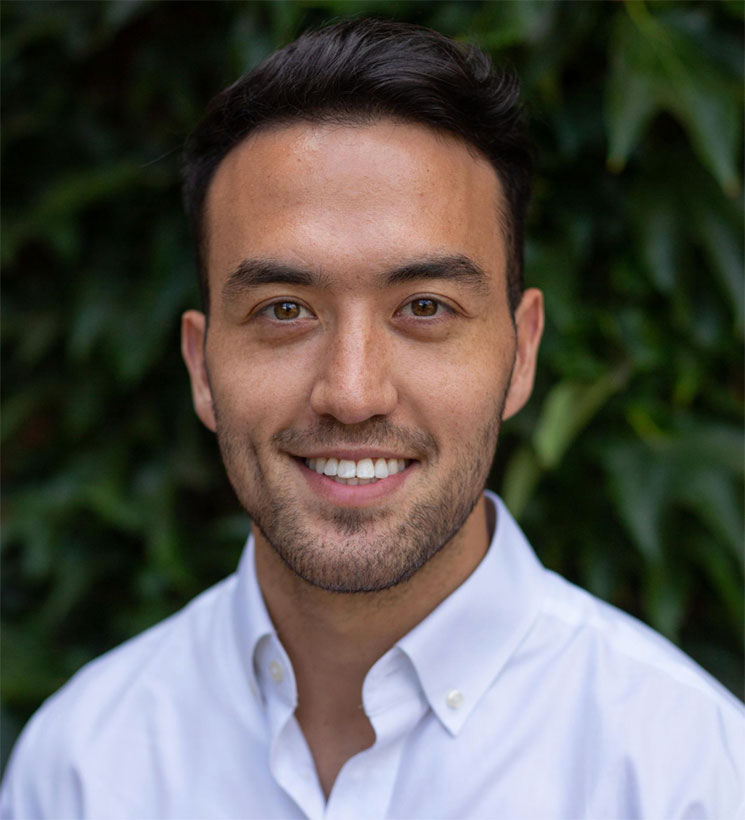
Sean
Founder, Succeed
Talk it through with Sean
“I can help you compare the programmes you're considering, think through the practicalities and work out what makes sense for you.”
20 minutes · No obligation to enrol
A practical overview of cost, accommodation, meals, dates and provider details to review before deciding.
Cost and what is included
$4,708; includes Residential accommodation at MarineLab., Three meals each day., All program activities and excursions., MarineLab snorkel gear., Bed sheets, blanket and pillow., Group airport transportation within the stated travel windows., Digital certificate following successful completion..
Accommodation
Air-conditioned shared dorms; bunk beds
Meals
Three meals daily
Provider details
Review the Brown Pre-College Programs provider page and official sources before making a final decision.
Dates and logistics
8 days; MarineLab, Key Largo, Florida, United States.
What to check before committing
Confirm current dates, payment terms, travel arrangements, cancellation rules and what is included with the provider.
Compare this program with similar options before deciding on dates, cost, format and fit.
Compare with similar programsEffort level
High, with full days and physically demanding outdoor learning.
Best started
Six to eight weeks before the off-campus registration deadline, allowing time for academic records, a recommendation and travel planning.
Main challenge
Balancing sustained outdoor activity with collaborative project work and shared living.
Prepare your essay and gather grades from the current and previous academic years.
Ask a suitable recommender early; Brown strongly suggests a recommendation for BELL.
Complete Canvas orientation and pre-work two weeks before the course, and consider possible community Action Plan topics.
Plan medical forms, dietary requests and the packing list with your family before arranging travel within the program's airport windows.
Useful if
You want to connect marine science with practical environmental leadership.
You investigate marine habitats through field trips, snorkeling, laboratory work and discussion while practicing collaborative leadership. The illustrative itinerary builds toward an Action Plan presentation about an issue in your home community.
Join arrival activities and orientation before traveling with the group to MarineLab.
Explore Keys habitats, complete a swim test and investigate water quality.
Study seagrass ecology and begin Action Plan work.
Take part in coral restoration, mangrove ecology and invertebrate diversity activities.
Connect leadership workshops with coral reef ecology and restoration discussions.
Visit Rodriguez Key and investigate marine debris and microplastics.
Visit a reef restoration site and present your Action Plan.
Next cycle not announced yet. These dates are from the latest verified cycle and should be used as a reference only.
Application deadline
8 May 2026
Final off-campus registration date; admission and enrollment are separate steps.
Programme dates
9-16 July 2026
Applications open
14 January 2026
Brown Pre-College's shared application cycle.
Medical forms
8 April 2026
Medical forms, waivers, dietary requests and payment; later enrollees have 48 hours.
Pre-departure orientation
12 April 2026
Required family orientation at 11 a.m. Eastern Time; a recording accommodates conflicts.
| Milestone | Date | Timezone | Status | |
|---|---|---|---|---|
Application deadline | 8 May 2026 | Local | Reference date | |
Programme dates | 9-16 July 2026 | Local | Reference date | |
Applications open | 14 January 2026 | Local | Reference date | |
Medical forms | 8 April 2026 | Local | Reference date | |
Pre-departure orientation | 12 April 2026 | Local | Reference date |
Completing grades 10-12.
Ages 16-18 by 14 June 2026.
Strong command of English.
Brown Pre-College admission followed by separate program enrollment.
Required English proficiency results for applicable international applicants.
Program fee
$4,708 — Eight-day residential program, 2026 fee.
Funding or discounts
What's included
Residential accommodation at MarineLab., Three meals each day., All program activities and excursions., MarineLab snorkel gear., Bed sheets, blanket and pillow., Group airport transportation within the stated travel windows., Digital certificate following successful completion.
Use Brown's official application page to create one student portal account.
Complete the application form and write an original 250-500-word essay.
Upload current and previous academic-year grades in English with your name and academic terms.
Pay the $80 application fee or request an eligible fee waiver.
Consider submitting a recommendation, which Brown strongly suggests for BELL, and supply required English proficiency results.
Monitor your portal for missing materials and your admission decision.
After admission, confirm your program choice, submit the $500 deposit and enroll separately.
Complete the enrolled-student forms, payment requirements and family pre-departure orientation.
Next step with Succeed
or let us know if .
Succeed replies first, usually within a working day
The program covers the following focus areas.
Marine ecosystems
Investigate seagrass, mangrove habitats, water quality and invertebrate diversity through fieldwork and labs.
Coral reef restoration
Study reef ecology and restoration through workshops, discussion and a restoration site visit.
Climate and conservation
Assess the effects of climate change, human interaction, extreme weather, marine debris and microplastics.
Ecological storytelling
Connect ecological science with the humanities, Indigenous knowledge, environmental justice and creative media.
Leadership and Action Plans
Develop a feasible community-focused project through leadership workshops, peer collaboration and a final presentation.
Curriculum may be adjusted based on participant interests and current developments.
A typical day during the program.
Typical session or field trip runs from 9 a.m. to noon.
Typical sessions or field trips run from 2 to 5 p.m., after lunch and solo time.
Labs or discussion run from 7 to 8 p.m., followed by further activity or free time until 9 p.m.
Check in at 10 p.m. Eastern Time and remain in the residential space until 6 a.m.
MarineLab staff contribute local marine ecology expertise, while BELL instructors and peers support Action Plan development. Brown lists Jane Winograd, Associate Director of Pre-College Programs and Environmental Studies, as program director.
Rooms have limited packing space, bunk beds and private, shared bathrooms.
After completing this program, participants often pursue:
Develop a feasible Action Plan for an issue in your community.
Present your project and communicate ecological stories.
Receive a digital certificate after successful completion.
Receive an instructor Course Performance Report.
Apply environmental leadership learning beyond the program.
The program is non-credit and does not guarantee an advantage in Brown undergraduate admissions.
MarineLab sits on Adams Cut between Blackwater Sound and Largo Sound in Key Largo, near the Florida Keys National Marine Sanctuary. Students meet staff at Fort Lauderdale-Hollywood International Airport and travel together to the program site.
Book travel only after program confirmation; group transportation depends on using the stated airport arrival and departure windows.
Compare these science-focused programs if you want broader environmental study or a different approach to biology.
Ecology and environmental science study in Berkeley
Best for
Students comparing environmental science settings
Biology research-focused summer study
Best for
Students considering biology beyond marine ecology
Explore the methods and questions of modern science
Best for
Students choosing between specialist and broad science study
Save this program in Succeed to compare it with similar programs, dates, costs and formats in one place.
Compare with other programsContent reviewed by
Co-founder, Succeed | Founder, Immerse Education (2012–2026)
Sean works at the intersection of academic enrichment, program quality and university preparation, with expertise in evaluating pre-university experiences for ambitious secondary school students.
Succeed uses official provider information where available, but keeps this public page focused on comparison and planning inside Succeed.
Program dates checked
Eligibility requirements reviewed
Residential fee verified
Registration deadline distinguished
Accommodation and meals reviewed
Supervision arrangements checked
Completion outcomes verified
We use source material to verify core facts, then show older cycle dates as reference when a current cycle is not available. Always check current application instructions before applying.
BELL: Florida Keys
by Brown Pre-College Programs
May qualify for the £300 Succeed Programme Award.
Get the full picture before you decide
Request your Program Guide. We'll email it within 24 hours.
No account needed to compare programmes.