
Application deadline
15 May 2026
General Brown Pre-College admissions deadline.

Explore medical study through anatomy, simulated patient interviews and physical exams, with teaching from current Brown medical students.
See Succeed's assessment of the programme, who it may suit, the estimated total cost, what applying involves and what is still to confirm.
or let us know if .
What Succeed checks
We review public program details such as eligibility, age range, cost, duration, location, format, accommodation, meals and application timing.
What Last verified means
Last verified is the latest date Succeed checked the public details shown on this page. Program dates, prices and availability can still change.
How official sources are used
Succeed uses official provider information where available, then rewrites it into a student-facing summary for comparison and planning.
Why some dates are reference dates
If the current cycle is not available, Succeed may show the latest verified cycle dates so you can understand typical timing.
Succeed is independent from this provider unless a partnership is clearly stated.
Current status
Upcoming
Eligibility
Grades 9-12; strong biology foundation
Age range / Year group
Ages 14-18
Location / Region
Providence, Rhode Island, United States
Cost
$3,096; $3,748
Duration
1 week
Format
In-person
Brown's course connects medical science with simulated clinical practice. Students move between physiology, anatomy and patient encounters rather than studying each topic in isolation.
Current medical students teach practical interviewing and examination skills alongside ethical reasoning. It suits students who want to test their interest in medicine through active participation.
Hands-On Medicine: A Week in the Life of a Medical Student is a Brown University Pre-College course that introduces medical study through interconnected practical experiences. Current medical students help students connect anatomy and physiology with patient interviewing, physical examination and medical ethics.
Learning includes anatomy sessions, classroom study and encounters with standardized patients—actors trained to portray medical situations. Coursework takes students into the Warren Alpert Medical School's Clinical Suites, where scientific knowledge becomes part of a simulated clinical encounter.
Linking body systems with interviews and examinations makes the connection between medical science and patient care concrete.
Standardized patients give students a structured way to practice clinical communication.
Current medical students offer a direct perspective on medical training.
Medical ethics is integrated with practical study, encouraging students to consider the consequences of treatment choices.
Clinical Suites provide a professional setting for introductory examination skills.
Students who enjoy biology and want to explore medicine through discussion, simulated patient encounters and practical examination skills.
You want college credit, a hospital placement or a closely supervised daily routine; the course centers on introductory study and expects independence.
This course offers a useful way to test whether the scientific, interpersonal and ethical sides of medicine appeal to you. Its strongest feature is the connection between learning about a body system and applying that knowledge in a simulated patient encounter.
The value depends on how actively you participate and reflect on the experience. It is an introductory, non-credit course, and Brown explicitly states that Pre-College participation is not an undergraduate admissions prospecting program; weigh that against the substantial fee.
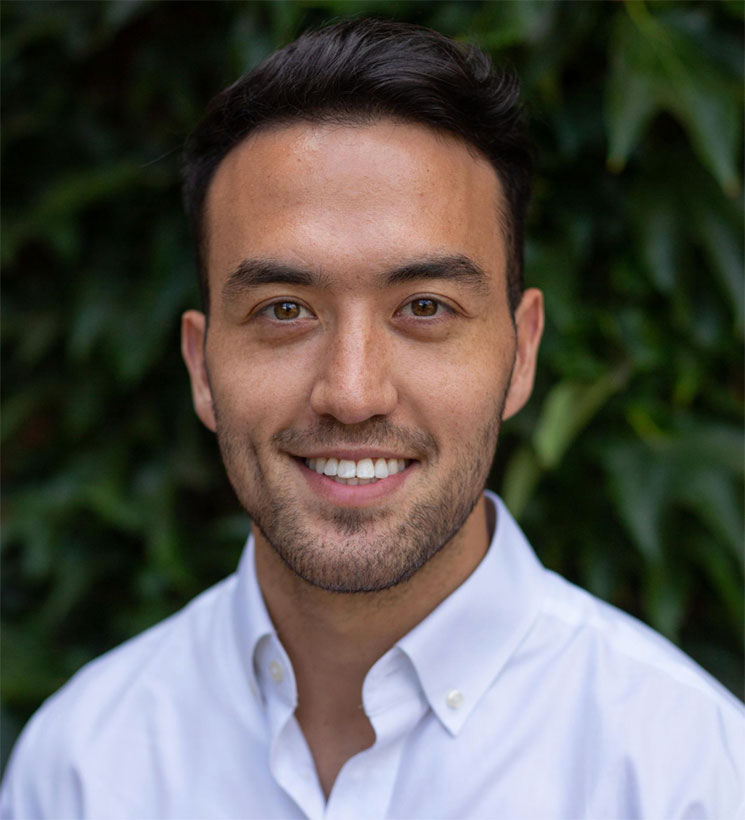
Sean
Founder, Succeed
Talk it through with Sean
“I can help you compare the programmes you're considering, think through the practicalities and work out what makes sense for you.”
20 minutes · No obligation to enrol
A practical overview of cost, accommodation, meals, dates and provider details to review before deciding.
Cost and what is included
$3,096; $3,748; includes One course of instruction., Residential option: residence hall housing and three meals daily., Commuter option: one on-campus meal daily., Access to fitness, athletic and aquatics centers., Program activities and excursions., Digital certificate after successful completion..
Accommodation
Single, double or triple residence hall rooms
Meals
Residential: three daily; commuter: one daily
Provider details
Review the Brown Pre-College Programs provider page and official sources before making a final decision.
Dates and logistics
1 week; Providence, Rhode Island, United States.
What to check before committing
Confirm current dates, payment terms, travel arrangements, cancellation rules and what is included with the provider.
Compare this program with similar options before deciding on dates, cost, format and fit.
Compare with similar programsEffort level
Intensive introductory study.
Best started
Allow 4-6 weeks before a future application deadline for writing, academic records and any English testing.
Main challenge
Connecting biology knowledge with clinical communication while managing your own study time.
Review the digestive, nervous, cardiovascular and pulmonary systems before attending.
Prepare your own application essay and collect current and previous academic-year grades.
Plan travel, professional attire and health forms with your family.
Discuss accommodation needs at least three weeks before a future session begins.
Useful if
You want a practical basis for deciding whether to pursue medicine.
You connect classroom medicine with anatomy sessions and simulated clinical encounters. The course combines practical skills with discussion of how doctors make ethical treatment decisions.
Study the anatomy and physiology of the digestive, nervous, cardiovascular and pulmonary systems.
Connect anatomical structures with examples of disease.
Interview standardized patients and learn the components of a medical history.
Learn vital-sign measurement and abbreviated cardiopulmonary and abdominal examinations.
Discuss medical ethics and explore medicine and allied health career paths.
Next cycle not announced yet. These dates are from the latest verified cycle and should be used as a reference only.
Application deadline
15 May 2026
General Brown Pre-College admissions deadline.
Hands-On Medicine: A Week in the Life of a Medical Student — 10242
22-26 June 2026
Monday-Friday, 3:30-6:20 p.m. Eastern Time.
Hands-On Medicine: A Week in the Life of a Medical Student — 10240
22-26 June 2026
Monday-Friday, 8:30-11:20 a.m. Eastern Time.
Hands-On Medicine: A Week in the Life of a Medical Student — 10241
22-26 June 2026
Monday-Friday, 12:15-3:05 p.m. Eastern Time.
Hands-On Medicine: A Week in the Life of a Medical Student — 10244
6-10 July 2026
Monday-Friday, 12:15-3:05 p.m. Eastern Time.
Hands-On Medicine: A Week in the Life of a Medical Student — 10245
6-10 July 2026
Monday-Friday, 3:30-6:20 p.m. Eastern Time.
Hands-On Medicine: A Week in the Life of a Medical Student — 10243
6-10 July 2026
Monday-Friday, 8:30-11:20 a.m. Eastern Time.
Hands-On Medicine: A Week in the Life of a Medical Student — 10246
13-17 July 2026
Monday-Friday, 8:30-11:20 a.m. Eastern Time.
Hands-On Medicine: A Week in the Life of a Medical Student — 10247
13-17 July 2026
Monday-Friday, 12:15-3:05 p.m. Eastern Time.
Hands-On Medicine: A Week in the Life of a Medical Student — 10249
13-17 July 2026
Monday-Friday, 3:30-6:20 p.m. Eastern Time.
Applications open
14 January 2026
Brown Pre-College application cycle.
| Milestone | Date | Timezone | Status | |
|---|---|---|---|---|
Application deadline | 15 May 2026 | Local | Reference date | |
Hands-On Medicine: A Week in the Life of a Medical Student — 10242 | 22-26 June 2026 | Local | Reference date | |
Hands-On Medicine: A Week in the Life of a Medical Student — 10240 | 22-26 June 2026 | Local | Reference date | |
Hands-On Medicine: A Week in the Life of a Medical Student — 10241 | 22-26 June 2026 | Local | Reference date | |
Hands-On Medicine: A Week in the Life of a Medical Student — 10244 | 6-10 July 2026 | Local | Reference date | |
Hands-On Medicine: A Week in the Life of a Medical Student — 10245 | 6-10 July 2026 | Local | Reference date | |
Hands-On Medicine: A Week in the Life of a Medical Student — 10243 | 6-10 July 2026 | Local | Reference date | |
Hands-On Medicine: A Week in the Life of a Medical Student — 10246 | 13-17 July 2026 | Local | Reference date | |
Hands-On Medicine: A Week in the Life of a Medical Student — 10247 | 13-17 July 2026 | Local | Reference date | |
Hands-On Medicine: A Week in the Life of a Medical Student — 10249 | 13-17 July 2026 | Local | Reference date | |
Applications open | 14 January 2026 | Local | Reference date |
Completing grades 9-12.
Ages 14-18 by 14 June 2026.
Strong foundation in biology.
Enthusiasm for interactive medical learning.
Strong English proficiency.
Brown Pre-College admission followed by separate course enrollment.
Required health forms and in-person immunizations.
Program fee
$3,096; $3,748 — Commuter and residential options, respectively.
Funding or discounts
What's included
One course of instruction., Residential option: residence hall housing and three meals daily., Commuter option: one on-campus meal daily., Access to fitness, athletic and aquatics centers., Program activities and excursions., Digital certificate after successful completion.
Create one account in the Brown Pre-College Student Portal.
Complete the application form and write an original 250-500-word essay.
Submit current and previous academic-year grades and pay the application fee or obtain a waiver.
Provide any required English test results and additional requested materials.
Monitor the portal for the admissions decision.
After admission, review the desired section before paying the $500 deposit.
Enroll separately in a section for which you meet the requirements.
Complete payment, health forms and other onboarding requirements.
Next step with Succeed
or let us know if .
Succeed replies first, usually within a working day
The program covers the following focus areas.
Anatomy and physiology
Study the digestive, nervous, cardiovascular and pulmonary systems and examples of diseases affecting them.
Medical interviewing
Learn the components of a medical interview through encounters with standardized patients.
Physical examination
Learn vital signs and abbreviated cardiopulmonary and abdominal examination techniques.
Medical ethics
Examine four principles of medical ethics and the consequences of treatment decisions.
Medical career exploration
Explore medical specialties and identify actions toward medicine and allied health careers.
Curriculum may be adjusted based on participant interests and current developments.
A typical day during the program.
8:30-11:20 a.m., 12:15-3:05 p.m. or 3:30-6:20 p.m., Eastern Time.
Allow 2-3 hours for homework and course work outside class.
Workshops, activities and events fit around study time.
Check in face to face at 10 p.m. and remain on your floor until 6 a.m.
Current medical students teach the course, with students from Brown University's Warren Alpert Medical School involved in the learning experience. Each section lists a pair of instructors.
Roommate requests are not honored; students should bring their own linens.
After completing this program, participants often pursue:
Earn a digital CeCertificate of Completion after successful completion.
Identify concrete steps toward medicine or allied health careers.
Understand the practice and patient population of a medical specialty.
Use reflection on clinical learning to clarify your subject interests.
The course is non-credit and does not provide a one-week Course Performance Report or undergraduate admission guarantee.
The course takes place at Brown University in Providence, Rhode Island, with coursework in the Warren Alpert Medical School's Clinical Suites and other professional settings. Residential check-in takes place at Sayles Hall on the Main Green.
Families arrange transportation to and from campus; residential check-in is Sunday, 9 a.m.-1 p.m. Eastern Time, before instruction begins.
Compare these medicine options by delivery format, subject focus and the experience you want.
An online introduction to medicine
Best for
Students comparing online medical study
An in-person course focused on pediatrics
Best for
Students interested in children's medicine
Medical work experience in Thailand
Best for
Students comparing medical work experience
Save this program in Succeed to compare it with similar programs, dates, costs and formats in one place.
Compare with other programsContent reviewed by
Co-founder, Succeed | Founder, Immerse Education (2012–2026)
Sean works at the intersection of academic enrichment, program quality and university preparation, with expertise in evaluating pre-university experiences for ambitious secondary school students.
Succeed uses official provider information where available, but keeps this public page focused on comparison and planning inside Succeed.
Course details checked
Admissions deadline compared
Eligibility requirements reviewed
Residential and commuter fees checked
Class schedules reviewed
Certificate conditions checked
Campus support policies reviewed
We use source material to verify core facts, then show older cycle dates as reference when a current cycle is not available. Always check current application instructions before applying.
Hands-On Medicine: A Week in the Life of a Medical Student
by Brown Pre-College Programs
Get the full picture before you decide
Succeed's assessment, estimated total cost and what applying involves.
No account needed for the Guide or Compare.