Generative AI & Machine Learning
Applications open
In person in Berkeley, ages 14 to 18, from $3,298, several sessions.
21 Feb 2027 · From $3,298 · 14-18 · Berkeley · In-person
by Imperial Global Summer School
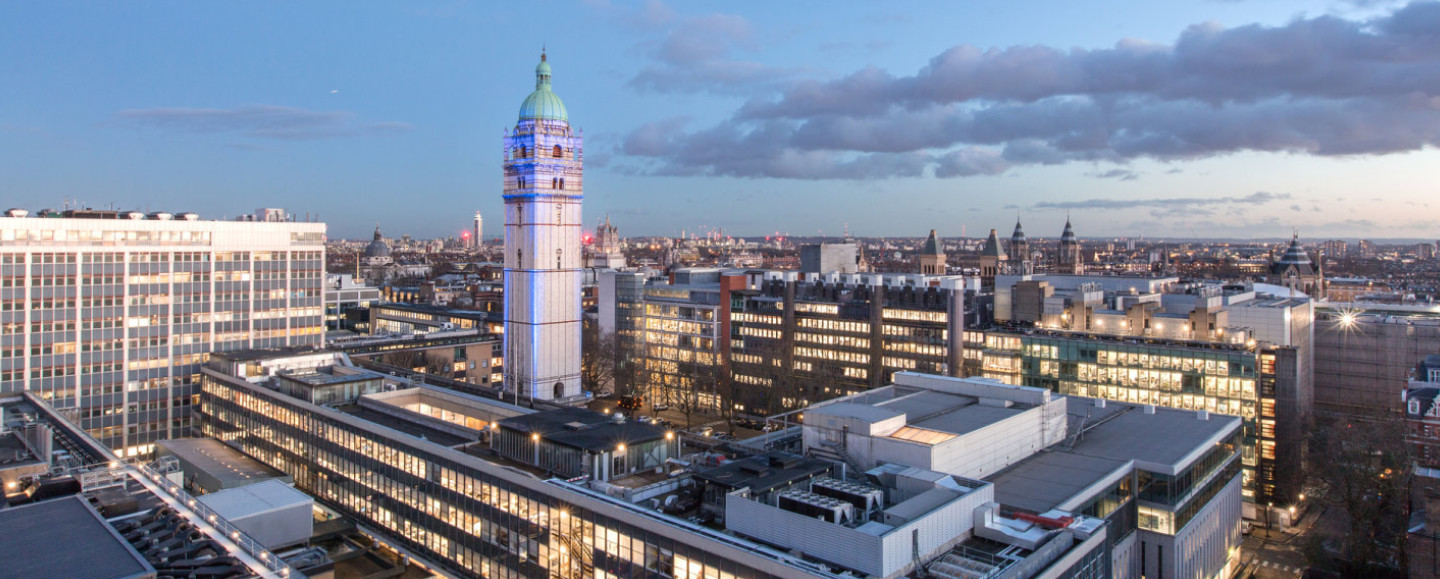
A two-week residential summer school at Imperial College London for 16- and 17-year-olds, offered only in the August session. In the first week, staff from Imperial's Data Science Institute take you through Python for data science, data visualization, computer vision and natural language processing, and the week ends with a group presentation on research papers. The second week is a mixed-subject Innovation Challenge where your team develops and pitches an idea. You live in campus halls in South Kensington, with meals and a social program included.
 Sean Stevens · Sources
Why it's worth it
The data science days are taught by staff from Imperial's own Data Science Institute and are hands-on, with Python work on data, image classification and language processing, visits to the institute's Data Observatory and a group presentation on real research papers. You also get a genuine taste of university life, living in Imperial's halls on a summer school that draws students from more than 50 nationalities each year.
What it asks of you
The 2026 fee was £7,695, before travel to London, insurance and any visa, and Imperial offers no scholarships to soften the cost. Entry also asks for grades mostly at the top of the scale, with a majority of 9-7 (A*-A) at GCSE or the equivalent.
Who should skip it
Students who want to go deep on AI for the whole summer. After four days of data science, week two switches to a mixed-subject Innovation Challenge on entrepreneurship, where AI and robotics was just one of four themes in 2026.
In 2026 the data science week ran from about 9:30 a.m. to 4:30 p.m. with a lunch break, and a few masterclasses went on until 5:45 p.m. After arrival and induction on the Monday, Tuesday opened with an introduction to data science and a Python session, followed by data visualization. Wednesday was computer vision, with an image classification practical in Python, and Thursday was natural language processing with guided exercises. On Friday teams presented their take on one or more research papers from a curated reading list, judged by mentors and leaders, with a prize for the winning group.
On the first three afternoons, small groups took turns visiting the Data Observatory while everyone else worked through the reading list in self-study. Week two kept similar hours but belonged to the Innovation Challenge, run by the Imperial Enterprise Lab. Students joined teams drawn from every subject, spent three days developing an idea and pitched it to judges on the Thursday. In 2026 the themes were climate, health and wellbeing, AI and robotics, and social impact.
Evenings and the middle weekend were planned for you, with a West End show (Wicked in the August session), bowling, a Thames boat party, a bus tour, sports, a talent show, a day trip to Brighton and a day around South Kensington's museums. Imperial calls the timetable indicative and subject to change.
Imperial says the data science week is led by staff from its Data Science Institute, and it names two of them: Ping Huang, the institute's Manager of Events and Education, and Dr Kai Sun, the Data Science Institute Manager. Imperial also describes the subject as led by world-leading academics, but it doesn't say who teaches each session, so if being taught by researchers matters to you, it's fair to ask who takes each class.
Week two is run by the Imperial Enterprise Lab, headed by Sarah Ranchev-Hale, and the masterclasses come from Imperial's Student Recruitment team and an Imperial Careers Consultant.
You need to be 16 by the start of the program and not turn 18 before it ends, with a strong academic record: Imperial asks for a majority of 9-7 (A*-A) grades at GCSE or the international equivalent, and at least a 7 (A) in math and relevant sciences. Your English has to meet Imperial's undergraduate standard, which you meet automatically if English is your first language or about half or more of your classes are taught in it. Otherwise you'll need a qualification such as IELTS.
The application itself is short. You list at least eight subjects with achieved, predicted or recent class grades, write a personal statement of up to 150 words on why you want to come and why you're a good fit, and give a teacher's school email so they can send a reference confirming your grades and English. A parent or guardian also confirms their support, but that part isn't assessed. Imperial scores applicants on age, English, academics, the statement and the reference, then weighs the mix of nationalities and fit across subjects. It doesn't publish an acceptance rate and fills places first come, first served, and if data science is full you may be offered your second-choice subject instead.
If you get a conditional offer, you'll have five days to upload a scan of your passport, official documents for the grades you listed and, if you need one, your English language certificate.
IB
38 to 42 overall, with 6 or 7 in math and relevant sciences, and Mathematical Studies doesn't count as math.
US high school diploma
An overall GPA of 3.2, a 3.0 (B) in most subjects and a 4.0 (A) in math and relevant sciences, or three to four AP exams at grade 5 alongside the diploma.
IGCSE
A majority of A*-A grades, with at least an A in math and sciences.
Other qualifications
Imperial works out the equivalent for anything not on its list, and all transcripts must be in English or officially translated.
The 2026 fee was £7,695, and Imperial hasn't yet published the 2027 fee. That single price covered tuition, course materials, masterclasses, a twin room on campus, three meals a day, the social program with its travel and tickets, a certificate and a meet-and-greet at Heathrow on the first and last days. There's no cheaper rate for living at home, because staying on campus is compulsory.
On top of that you pay for travel to and from London, travel and medical insurance (which Imperial strongly recommends), any visa costs, spending money, stationery, laundry and snacks outside mealtimes. Imperial offers no scholarships, bursaries or discounts.
The full fee is due within 14 days of your unconditional offer, and that window shrinks to seven days closer to the program. Imperial also quotes seven days without that distinction, so go by the deadline in your offer letter. You can pay only by credit or debit card, not by bank transfer or American Express. A payment plan may be possible if your place is confirmed by mid-February. You can cancel within 14 days of confirming, but after that the fee isn't refundable, so it's worth settling your summer plans before you pay.
Every student gets an academic, an enterprise and a pastoral mentor. They're current Imperial undergraduates who supervise round the clock except when you're in your room, and a team of pastoral managers and mentors is on duty in the halls day and night. Imperial says all staff and mentors hold an enhanced DBS check (the UK's criminal record check for people working with young people), a Designated Safeguarding Lead oversees safeguarding and every activity is risk assessed.
You'll share a twin en-suite room in Prince's Gardens with another summer school student of the same sex, chosen by staff, so you can't ask to room with a friend. The halls have swipe card entry, CCTV and a 24-hour staffed reception. Students can't leave and come back during the program, and Imperial asks families not to arrange visits, which is worth knowing if you have relatives in London. There's no housing the night before or after, so plan travel to match. Imperial can cater for dietary needs with advance notice, and accessible twin rooms can be requested, subject to availability.
You leave with a certificate of participation from Imperial for completing the program. It isn't academic credit or a grade. You'll also have presented on a research paper with your group and pitched an idea to judges in week two.
For anyone thinking of a UK degree, the masterclasses are the more practical takeaway. In 2026 Imperial's Student Recruitment team covered applying to UK universities and to Imperial, including what its admissions tutors look for, admissions tests and interviews. There was also a session on the personal statement for UCAS (the UK's university application system), and an Imperial Careers Consultant ran one on career planning. Imperial describes the summer school as adding weight to future university applications, but it doesn't say that attending counts in its own undergraduate admissions decisions.

Sean
Talk it through with Sean
“I can help you compare the programs you're considering, think through the practicalities and work out what makes sense for you.”
In person in Berkeley, ages 14 to 18, from $3,298, several sessions.
21 Feb 2027 · From $3,298 · 14-18 · Berkeley · In-person
In person in Oxford, ages 15 to 18, from £7,495, several sessions.
Deadline: Not announced yet · From £7,495 · 15-18 · Oxford · In-person
In person in Cambridge, ages 13 to 18, from £5,995, several sessions.
Deadline: Not announced yet · From £5,995 · 13-18 · Cambridge · In-person
Save this program in Succeed to compare it with similar programs, dates, costs and formats in one place.
Compare with other programsimperial.ac.uk · Official page
imperial.ac.uk
imperial.ac.uk
imperial.ac.uk
imperial.ac.uk
imperial.ac.uk
imperial.ac.uk
imperial.ac.uk
Facts checked against the official page on 4 Nov 2026
Editor: Sean Stevens
Succeed has no commercial relationship with Imperial Global Summer School.
Spot an error? Report it