
Application deadline
22 March 2026

Political Science Stream explores global politics and citizenship through academic discussion and campus learning at McGill Summer Academy.
See Succeed's assessment of the programme, who it may suit, the estimated total cost, what applying involves and what is still to confirm.
or let us know if .
What Succeed checks
We review public program details such as eligibility, age range, cost, duration, location, format, accommodation, meals and application timing.
What Last verified means
Last verified is the latest date Succeed checked the public details shown on this page. Program dates, prices and availability can still change.
How official sources are used
Succeed uses official provider information where available, then rewrites it into a student-facing summary for comparison and planning.
Why some dates are reference dates
If the current cycle is not available, Succeed may show the latest verified cycle dates so you can understand typical timing.
Succeed is independent from this provider unless a partnership is clearly stated.
Current status
Upcoming
Eligibility
Grades 10-11; Quebec Sec IV-V
Age range / Year group
Ages 15-17
Location / Region
McGill Downtown Campus, Montreal, Canada
Cost
$5,500 CAD
Duration
2 weeks
Format
In-person
Political Science Stream combines subject exploration with McGill Summer Academy's workshops, experiential learning, and university community.
The application-listed focus is migration, global citizenship, and diasporic resistance. The earlier international-order course illustrates a discussion-based approach, but its syllabus should be treated as historical.
It suits students who enjoy examining global questions from different perspectives and want an academic experience alongside campus and city life.
Political Science Stream is an academic option within McGill University's Summer Academy. It combines subject-focused coursework with workshops, experiential learning, and opportunities to connect with current McGill students and faculty.
The application instructions name Understanding Migration, Global Citizenship and Diasporic Resistance as the relevant academic path. The earlier Understanding International Order course examined international institutions, law, and global cooperation through discussion, case studies, and a simulation. That earlier syllabus illustrates the stream's academic approach rather than guaranteeing the content of a later cycle.
The named academic focus connects political study to migration, citizenship, and questions of belonging.
The earlier curriculum linked political ideas to real international institutions and competing perspectives.
McGill combines academic exploration with direct experience of its university community.
Residence arrangements and round-the-clock supervision provide concrete support for students away from home.
Eligible Canadian participants can receive substantial support through full MSA Awards.
Students curious about global politics, migration, and citizenship who want to explore academic interests within a university community.
You need college credit or a commuter option, since Summer Academy provides neither.
This is a useful option for testing an interest in political study while experiencing university life. Its value lies in academic exploration, learning strategies, and conversations with peers and the McGill community.
Families should weigh that experience against the residential fee and additional travel, insurance, and evening-meal expenses. The program does not award college credit, and the historical simulation should not be assumed to appear in a later syllabus. Choose it for the learning experience rather than an expected admissions advantage.
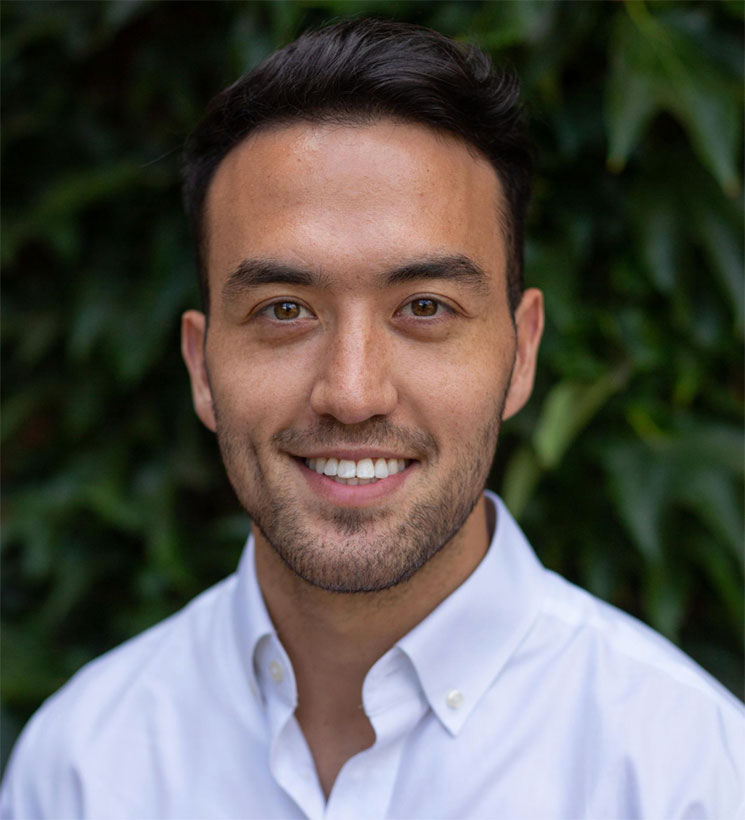
Sean
Founder, Succeed
Talk it through with Sean
“I can help you compare the programmes you're considering, think through the practicalities and work out what makes sense for you.”
20 minutes · No obligation to enrol
A practical overview of cost, accommodation, meals, dates and provider details to review before deciding.
Cost and what is included
$5,500 CAD; includes Housing, Courses and workshops on the Downtown Campus, All extracurricular activities, Breakfast and lunch daily, Transportation in Montreal, 24/7 adult supervision, T-shirt, tote bag, and lanyard, Confirmation deposit included in the program fee.
Accommodation
Double rooms; private bathrooms
Meals
Breakfast and lunch daily
Provider details
Review the McGill Summer Academy provider page and official sources before making a final decision.
Dates and logistics
2 weeks; McGill Downtown Campus, Montreal, Canada.
What to check before committing
Confirm current dates, payment terms, travel arrangements, cancellation rules and what is included with the provider.
Compare this program with similar options before deciding on dates, cost, format and fit.
Compare with similar programsEffort level
Moderate preparation, followed by an immersive residential experience.
Best started
Allow several weeks before your intended application round, then additional time after admission for travel and any visitor-visa processing.
Main challenge
Coordinating documents and travel while choosing the academic focus that fits your interests.
Gather readable transcripts and arrange English or French translations when needed.
Draft clear reflections about your academic interests and extracurricular activities.
Discuss residence life, evening-meal spending, and travel arrangements with your parent or guardian.
If applying for an MSA Award, identify an eligible school-staff referee who has known you for at least one year.
Useful if
You want to test political study and prepare for university learning.
You take academic classes and workshops, then join activities and experience campus life with other Summer Academy participants. The historical Political Science course also involved critical discussions, case studies, and a collaborative international organization simulation.
Attend morning classes from 9:15 a.m. to 12:30 p.m., including a break.
Explore the academic questions associated with your selected stream.
Join afternoon and evening events, Montreal activities, and free time.
Connect with fellow participants and current McGill students during the residential experience.
Next cycle not announced yet. These dates are from the latest verified cycle and should be used as a reference only.
Application deadline
22 March 2026
Session 1
5-18 July 2026
Arrival 12-6 p.m.; departure 10 a.m.-4 p.m., Montreal local time.
Session 2
19 July-1 August 2026
Arrival 12-6 p.m.; departure 10 a.m.-4 p.m., Montreal local time.
| Milestone | Date | Timezone | Status | |
|---|---|---|---|---|
Application deadline | 22 March 2026 | Local | Reference date | |
Session 1 | 5-18 July 2026 | Local | Reference date | |
Session 2 | 19 July-1 August 2026 | Local | Reference date |
Currently in Grades 10 or 11.
Quebec applicants: Sec IV or Sec V.
Outside Quebec: one or two high-school years remaining.
Signed parental or legal-guardian consent is required.
All participants must stay on campus.
Approved health insurance is required.
Classes and activities are conducted in English.
Program fee
$5,500 CAD — 2026 residential program fee.
Funding or discounts
What's included
Housing, Courses and workshops on the Downtown Campus, All extracurricular activities, Breakfast and lunch daily, Transportation in Montreal, 24/7 adult supervision, T-shirt, tote bag, and lanyard, Confirmation deposit included in the program fee
Choose your preferred academic stream and session dates, ranking alternatives in the application.
Gather the requested current and previous-year transcripts in English or French.
Have your parent or legal guardian complete and sign the consent form.
Prepare responses about your academic interests and extracurricular activities.
Upload separate, readable PDFs for each required checklist item and submit a complete application.
For an MSA Award, nominate a school-staff referee who has known you for at least one year.
View your admission decision in the applicant portal when notified by email.
If admitted, confirm participation with the required non-refundable deposit.
Next step with Succeed
or let us know if .
Succeed replies first, usually within a working day
The program covers the following focus areas.
International institutions and law
The 2025 course examined international organizations, state sovereignty, international law, and the formation of international order.
Human rights and cooperation
The 2025 course explored human rights, conflict and cooperation, peacekeeping, and international development.
Alternative global perspectives
The 2025 course considered climate change and indigenous and non-state approaches to international order.
International organization simulation
A two-day simulation in the 2025 course developed collaboration, critical reading, presentation confidence, and applied critical thinking.
Curriculum may be adjusted based on participant interests and current developments.
A typical day during the program.
Classes run from 9:15 a.m. to 12:30 p.m., including a break.
Afternoons include events, activities around Montreal, and free time.
Evenings include Montreal activities and free time, with examples such as boat cruises and fireworks.
The Summer Academy support team includes Enrolment Services staff and trained current McGill students serving as Team Leaders and Crew Members. Participants also have opportunities to connect with McGill faculty and students during the program.
McGill admits approximately 50 students per stream in each session, depending on demand.
Roommate requests are not considered; essential single-room requests are reviewed case by case.
After completing this program, participants often pursue:
Explore whether political study matches your academic interests.
Strengthen learning strategies for the transition to university.
Gain firsthand experience of McGill's student community.
The 2025 course developed critical reading and applied critical thinking.
The 2025 simulation supported presentation confidence and collaboration.
Summer Academy does not provide college course credit.
Summer Academy takes place on McGill's Downtown Campus in Montreal, with an opportunity to explore the Macdonald Campus during the stay. City activities introduce neighborhoods such as the Old Port, Plateau, and Quartier des spectacles.
International participants may need a visitor visa or eTA and must meet the program's health-insurance requirements.
Compare these options if you want broader political study, a dedicated international-relations focus, or online learning.
An in-person social and political sciences course in Cambridge
Best for
Students comparing broader political and social study
Online study spanning international relations, politics, and leadership
Best for
Students who prefer learning from home
An international relations summer course in Cambridge
Best for
Students prioritizing international relations
Save this program in Succeed to compare it with similar programs, dates, costs and formats in one place.
Compare with other programsContent reviewed by
Co-founder, Succeed | Former secondary teacher and educational leader
Ben works at the intersection of education, technology and school adoption, with expertise in how secondary schools evaluate data-driven tools and how education technology is used in practice.
Succeed uses official provider information where available, but keeps this public page focused on comparison and planning inside Succeed.
Official academic pages reviewed
Session dates checked
Eligibility requirements reviewed
Fee inclusions checked
Housing and supervision reviewed
Award eligibility reviewed
International travel guidance reviewed
Historical curriculum distinguished
We use source material to verify core facts, then show older cycle dates as reference when a current cycle is not available. Always check current application instructions before applying.
Political Science Stream
by McGill Summer Academy
Get the full picture before you decide
Succeed's assessment, estimated total cost and what applying involves.
No account needed for the Guide or Compare.