
Applications
Rolling admissions

by National Student Leadership Conference
A residential pre-college program combining marine science workshops, conservation challenges, field trips and leadership development.
See Succeed's assessment of the programme, who it may suit, the estimated total cost, what applying involves and what is still to confirm.
or let us know if .
What Succeed checks
We review public program details such as eligibility, age range, cost, duration, location, format, accommodation, meals and application timing.
What Last verified means
Last verified is the latest date Succeed checked the public details shown on this page. Program dates, prices and availability can still change.
How official sources are used
Succeed uses official provider information where available, then rewrites it into a student-facing summary for comparison and planning.
Why some dates are reference dates
If the current cycle is not available, Succeed may show the latest verified cycle dates so you can understand typical timing.
Succeed is independent from this provider unless a partnership is clearly stated.
Current status
Applications open
Eligibility
Completed one high-school year
Age range / Year group
Ages 14-18
Location / Region
Durham, North Carolina, United States; Beaufort, North Carolina, United States; San Francisco, California, United States
Cost
$4,495
Duration
9 days
Format
In-person
Application deadline
Rolling · Next cycle not announced yet. These dates are from the latest verified cycle and should be used as a reference only.
Save programA hands-on pre-college experience focused on marine ecosystems, biodiversity, conservation and the relationship between science and environmental policy.
Students tackle practical simulations, learn from professionals and visit laboratories, coastlines, aquariums or conservation sites associated with their campus.
It best suits students who want to test marine or environmental science through an intensive residential experience rather than classroom study alone.
The Marine Biology program is a residential pre-college experience run by the National Student Leadership Conference. It examines marine biodiversity, conservation, environmental change and the role of science and policy in protecting aquatic habitats.
Students learn through simulations, workshops, guest-speaker sessions and field trips. Activities include marine anatomy, fish identification, coral-restoration planning, protected-area management and sustainable fisheries work.
Practical simulations turn conservation concepts into team-based decisions and field-style tasks.
The curriculum connects marine biology with biodiversity, climate change, sustainability and policy.
Location-specific trips can include marine laboratories, wildlife organisations, coastal surveys and whale watching.
Residential campus life provides a realistic introduction to independent pre-college study.
Leadership workshops add communication, listening, resilience and empathy to the scientific experience.
Students curious about marine ecosystems, conservation or environmental science who enjoy practical teamwork and field-based learning.
You want a low-cost, non-residential course or a program centred on extended independent research.
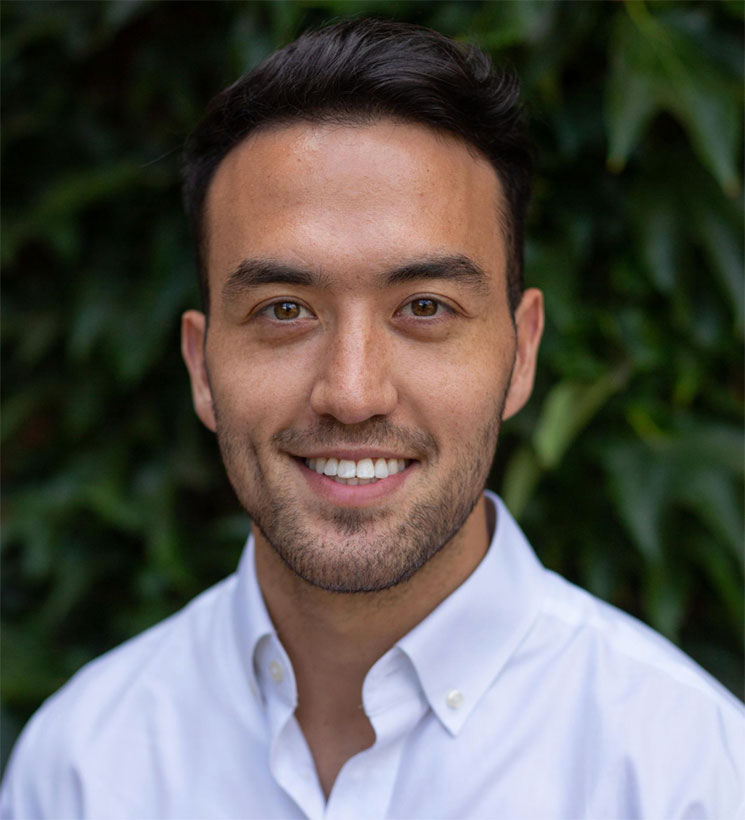
Sean
Founder, Succeed
Talk it through with Sean
“I can help you compare the programmes you're considering, think through the practicalities and work out what makes sense for you.”
20 minutes · No obligation to enrol
A practical overview of cost, accommodation, meals, dates and provider details to review before deciding.
Cost and what is included
$4,495; includes Supervised residential housing, On-campus meals, Course materials and academic expenses, Trips, tours and activities, Off-campus event transportation.
Accommodation
Supervised campus dormitories
Meals
Breakfast, lunch and dinner
Provider details
Review the National Student Leadership Conference provider page and official sources before making a final decision.
Dates and logistics
9 days; Durham, North Carolina, United States; Beaufort, North Carolina, United States; San Francisco, California, United States.
What to check before committing
Confirm current dates, payment terms, travel arrangements, cancellation rules and what is included with the provider.
Compare this program with similar options before deciding on dates, cost, format and fit.
Compare with similar programsEffort level
High-intensity residential program.
Best started
Begin planning two to three months before your preferred session, allowing time for enrolment, funding and travel.
Main challenge
Staying engaged across scientific, leadership and residential activities.
Review basic ecology, biodiversity and climate-change concepts before attending.
Discuss travel, accommodation and payment planning with a parent or guardian.
Prepare questions for guest speakers about marine-science study and careers.
Plan a short reflection or follow-up project to consolidate what you learn.
Useful if
You enjoy biology, environmental questions and practical teamwork.
Students move between practical marine-science activities, leadership development, expert sessions and field experiences linked to their location.
Explore marine biodiversity, sustainability and environmental change through workshops.
Design a team conservation strategy for restoring and protecting reef ecosystems.
Examine aquatic anatomy and practise identifying species by external characteristics.
Run a simulated biodiversity survey and identify local fish species.
Manage a simulated marine sanctuary while balancing ecological and community needs.
Explore sustainable fisheries methods and the problem of overfishing.
Join guest-speaker sessions and location-specific trips or tours.
Complete leadership workshops on communication, resilience, listening and empathy.
The program covers the following focus areas.
Marine ecosystems
Examine biodiversity, environmental change and relationships between people and aquatic habitats.
Conservation strategy
Plan reef restoration and manage protected areas around ecological and community pressures.
Marine anatomy
Examine internal structures and identify aquatic species using visible characteristics.
Field survey methods
Simulate biodiversity surveys and practise identifying local fish species.
Sustainable fisheries
Explore population estimation, overfishing and sustainable use of ocean resources.
Curriculum may be adjusted based on participant interests and current developments.
Students hear from guest speakers with practical marine-science and conservation experience. Past speakers include university researchers, professors and leaders from marine and environmental organisations.
Guest-speaker line-ups can vary by session and location.
The Duke option includes six nights in Durham and three nights in Beaufort; hotel accommodation and program transport are included for coastal activities.
After completing this program, participants often pursue:
Use the experience to test interest in marine or environmental science.
Build examples for later application essays and interviews.
Extend workshop themes through a school research or conservation project.
Explore biology, environmental science or sustainability at a deeper level.
Optionally take the related online American University credit course.
The optional college-credit course requires separate enrolment, work and tuition.
The Berkeley option is based in the San Francisco Bay Area, with possible visits including Bodega Marine Laboratory, Point Reyes and the Marine Mammal Center. The Duke option divides the experience between Durham and Beaufort, using Duke Marine Laboratory and other Outer Banks facilities.
NSLC states that it is not sponsored by Duke University.
2026 program fee
$4,495 — Residential tuition at both published locations.
Funding or discounts
What's included
Supervised residential housing, On-campus meals, Course materials and academic expenses, Trips, tours and activities, Off-campus event transportation
Ages 14-18
Completed at least one high-school year
Current high-school students
May attend through summer after graduation
Academic excellence and leadership ability encouraged
Open the NSLC online enrolment application.
Create an NSLC ID if you do not already have one.
Enter the student's birth date, gender and current grade.
Select an available Marine Biology location and session.
Complete the online application and place the required deposit.
Check the student account for availability, travel and program details.
After enrolment, apply separately for financial assistance if needed.
Next cycle not announced yet. These dates are from the latest verified cycle and should be used as a reference only.
Applications
Rolling admissions
Application deadline
26 July 2026
UC Berkeley: 12-20 June 2026
12-20 June 2026
UC Berkeley: 24 June-2 July 2026
24 June-2 July 2026
Duke University: 6-14 July 2026
6-14 July 2026
Duke University: 18-26 July 2026
18-26 July 2026
| Milestone | Date | Timezone | Status | |
|---|---|---|---|---|
Applications | Rolling admissions | Local | Reference date | |
Application deadline | 26 July 2026 | Local | Reference date | |
UC Berkeley: 12-20 June 2026 | 12-20 June 2026 | Local | Reference date | |
UC Berkeley: 24 June-2 July 2026 | 24 June-2 July 2026 | Local | Reference date | |
Duke University: 6-14 July 2026 | 6-14 July 2026 | Local | Reference date | |
Duke University: 18-26 July 2026 | 18-26 July 2026 | Local | Reference date |
The program offers a strong subject taster because it combines laboratory-style workshops, conservation decisions, expert perspectives and location-specific field trips. That variety can help a student decide whether marine or environmental science deserves deeper study.
The main limitation is the substantial fee for a short experience, even with accommodation and activities included. It is most worthwhile when the student will reflect on the experience, follow up with further reading or projects, and use it to make better subject or university choices.
Next step with Succeed
or let us know if .
Succeed replies first, usually within a working day
Compare these related science programs if you want a different balance of biology, sustainability, research or campus experience.
Cambridge biology study with research-methods focus
Best for
Students wanting deeper classroom-based biology.
Environmental science with research and sustainability
Best for
Students more interested in environmental systems than marine anatomy.
Experiments and projects across core sciences
Best for
Younger students still comparing science subjects.
Mentored online research and academic writing
Best for
Students prioritising independent research without residential travel.
Save this program in Succeed to compare it with similar programs, dates, costs and formats in one place.
Compare with other programsContent reviewed by
Co-founder, Succeed | Founder, Immerse Education (2012–2026)
Sean works at the intersection of academic enrichment, program quality and university preparation, with expertise in evaluating pre-university experiences for ambitious secondary school students.
Succeed uses official provider information where available, but keeps this public page focused on comparison and planning inside Succeed.
Program details checked
Eligibility reviewed
Tuition verified
Session dates reviewed
Accommodation checked
Scholarship terms reviewed
Application process checked
We use source material to verify core facts, then show older cycle dates as reference when a current cycle is not available. Always check current application instructions before applying.
Marine Biology Summer Program
by National Student Leadership Conference
Get the full picture before you decide
Succeed's assessment, estimated total cost and what applying involves.
No account needed for the Guide or Compare.