NIDA Open Drama School
by NIDA Open
- 2026 program
Drama School, Grades 7-9 is a five-day holiday drama course run by NIDA Open, the short-course arm of the National Institute of Dramatic Art, on NIDA's campus in Kensington, Sydney. Over 35 hours you work with a group of other students on improvisation, voice, movement, character and devising your own scenes, along with an introductory workshop on acting for the screen. Most of NIDA Open's courses for young people end with an Open Session, when family and friends come in for the last 30 minutes to see some of the week's work.

At a glance
Official facts · checked 24 Nov 2026- 2026: 7 to 11 December. 2027: 4 to 8 January, 11 to 15 January
- Students in Grade 7, Grade 8 or Grade 9 at school. Home-schooled or international school students should contact NIDA Open to discuss the best option
- 2026: $765. 2027: $765
- In person, NIDA Kensington, Sydney
- Length
- 5 days (35 hours)
- Included / budget separately
- Separately: Food and refreshments (bring your own, on-site cafe), travel and any accommodation, arranged by the family, Ambulance call-out, if NIDA staff decide one is needed
- Deposit and refunds
- Cancel more than 5 working days before the course starts: a 20% cancellation fee applies, or you can take a credit note for the full amount
- Financial aid
- Equity Subsidy: subsidized tuition for students in Grades 7 to 12 experiencing financial hardship or other disadvantage, regardless of previous experience
- Apply by
- Not published
- Cohort and selectivity
- Open to every student in the eligible grades, with no audition, interview or written application
- Credit or certificate
- Certificate of Attendance from NIDA
- Official page
- open.nida.edu.au/course/drama-school-grades-7-9
Should you apply?
SucceedWhy it's worth it
You spend 35 hours on the National Institute of Dramatic Art's own Kensington campus, and NIDA Open says its teaching artists are professionally trained and work in the performing arts industry. The mix of voice, movement, improvisation, devising and a first try at screen acting covers a lot of ground in a single week.
What it asks of you
You'll need five full weekdays in a row and $765 in Australian dollars. It's a day course and NIDA Open doesn't arrange travel or accommodation, so for families outside Sydney the real cost includes getting there and somewhere to stay.
Who should skip it
Students who've already had solid drama training, because the course is built around fundamentals, such as an introduction to how the voice works and basic movement technique, and is open to anyone in those grades.
What does a day on the course look like?
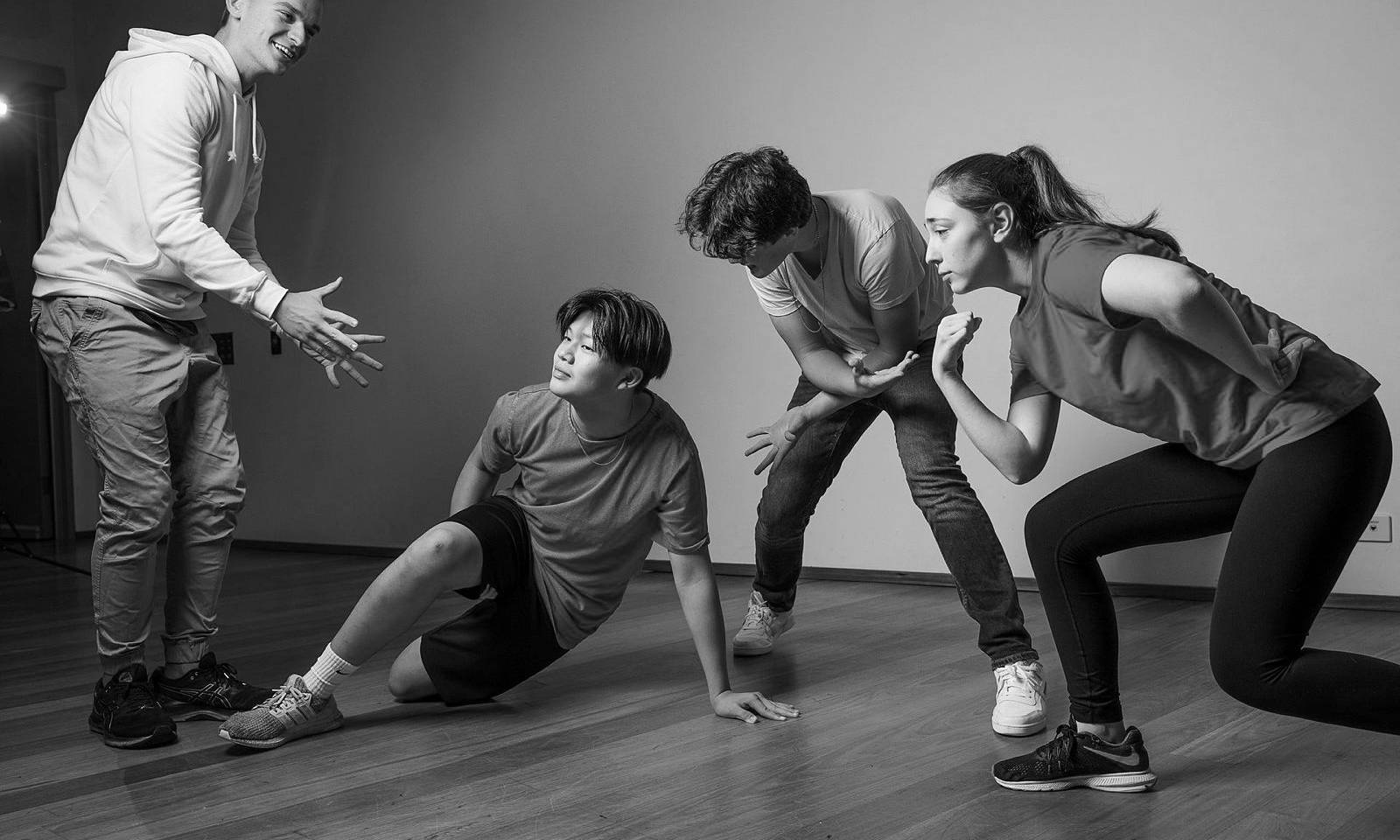
Classes run from 10:00am to 5:00pm Sydney time, Monday to Friday, in a morning block until 1:00pm and an afternoon block from 1:45pm, with a 45-minute lunch break in between. Across the week you do improvisation and scene work, learn how the voice works and practice movement basics such as alignment and presence. You also devise new material for a live presentation by taking on different roles in a creative process, and there's an introductory workshop on acting for the screen.
It's a day course, so there are no evenings or overnight stays. You bring your own lunch (there's a cafe on site), wear loose clothes and closed-toe shoes you can take off in the rehearsal room, and bring a notepad or tablet for notes. NIDA Open suggests arriving at least 30 minutes early, because it can take more than 10 minutes to park and get to class. Most of its courses for young people end with an Open Session, when family and friends come into the room for the final 30 minutes of the last day to see some of what you've worked on.
Do you need acting experience or an audition?
No. The course is open to any student in Grade 7, 8 or 9, and NIDA Open keeps auditions, interviews and written applications for its Lab and Studio programs. Students are placed by their school grade, the way state education departments group them.
Enrolling is just a registration form, not an application. NIDA Open can merge published age groups when it needs to, so a class may mix students from different grades.
What does the week really cost?
The course costs $765 in Australian dollars, and that covers tuition only. You bring your own food each day and arrange your own travel, plus accommodation if you're coming from outside Sydney. If NIDA staff decide an ambulance is needed, the family pays for it.
There's some help with the fee. NIDA Open's Equity Subsidy offers subsidized tuition to students in Grades 7 to 12 facing financial hardship or other disadvantage, and its First Nations Subsidy does the same for young First Nations people. We couldn't find how much either one covers, so ask NIDA Open before you enroll. Families in New South Wales can put a $50 Creative Kids voucher from the NSW Government toward the fee. Holders of an Australian Government Health Care Card get 5% off, as long as the card is in the student's own name, and you have to show it before enrolling and have the discount applied by phone.
Cancel more than five working days before the start and you either lose 20% of the fee or take a credit note for the full amount. Inside five working days, the only option is a credit note, which you request in writing and which lasts 12 months. Once the course begins there's no refund or credit, even for days you miss.
How are younger students looked after?
Students in Grade 9 and under are supervised during every break and can't leave the venue unless a parent has given written permission. All NIDA staff in child-related roles hold a Working With Children Check or an equivalent police check, and NIDA publishes a Statement of Commitment to Child Safety along with its Values and Expectations for students and families.
Voice and movement work may involve physical contact, either from a tutor supporting your training or from other students during exercises. Students can photograph friends who agree to it, but nobody may publish a photo of anyone under 18 without written consent from that student's parent or guardian. NIDA Open's terms also rule out bullying and harassment, and a student found responsible can be removed. Concerns go to the teaching artist after class or to a NIDA program manager.
What do you get at the end of the week?
You leave with a Certificate of Attendance from NIDA, which shows you took part but isn't a grade, a qualification or course credit. NIDA Open describes its courses as a way to find out whether a career in entertainment suits you and whether full-time NIDA training could be a next step. It doesn't say they count toward admission, and it points you to NIDA's main website for how to apply to its full-time courses.
Don't count on footage from the week either. Any recordings of classwork NIDA provides remain its copyright and are for personal use only, so they can't be sent to agents, entered in festivals or used for school projects, and you can't post recordings of class activities online.
What should you do next?
Frequently asked questions
Sources
- open.nida.edu.au/course/drama-school-grades-7-9
Official page
- Plan your visit - NIDA OPEN
open.nida.edu.au
- Our Learning Environment - NIDA OPEN
open.nida.edu.au
- Subsidies - NIDA OPEN
open.nida.edu.au
- Terms and Conditions - NIDA OPEN
open.nida.edu.au
- FAQs - NIDA OPEN
open.nida.edu.au
- open.nida.edu.au/registration-public-production
- Values and Expectations: Staff, students, parents and guardians at…
open.nida.edu.au