NIDA Open Screen Acting Boot Camp
by NIDA Open
- 2026 program
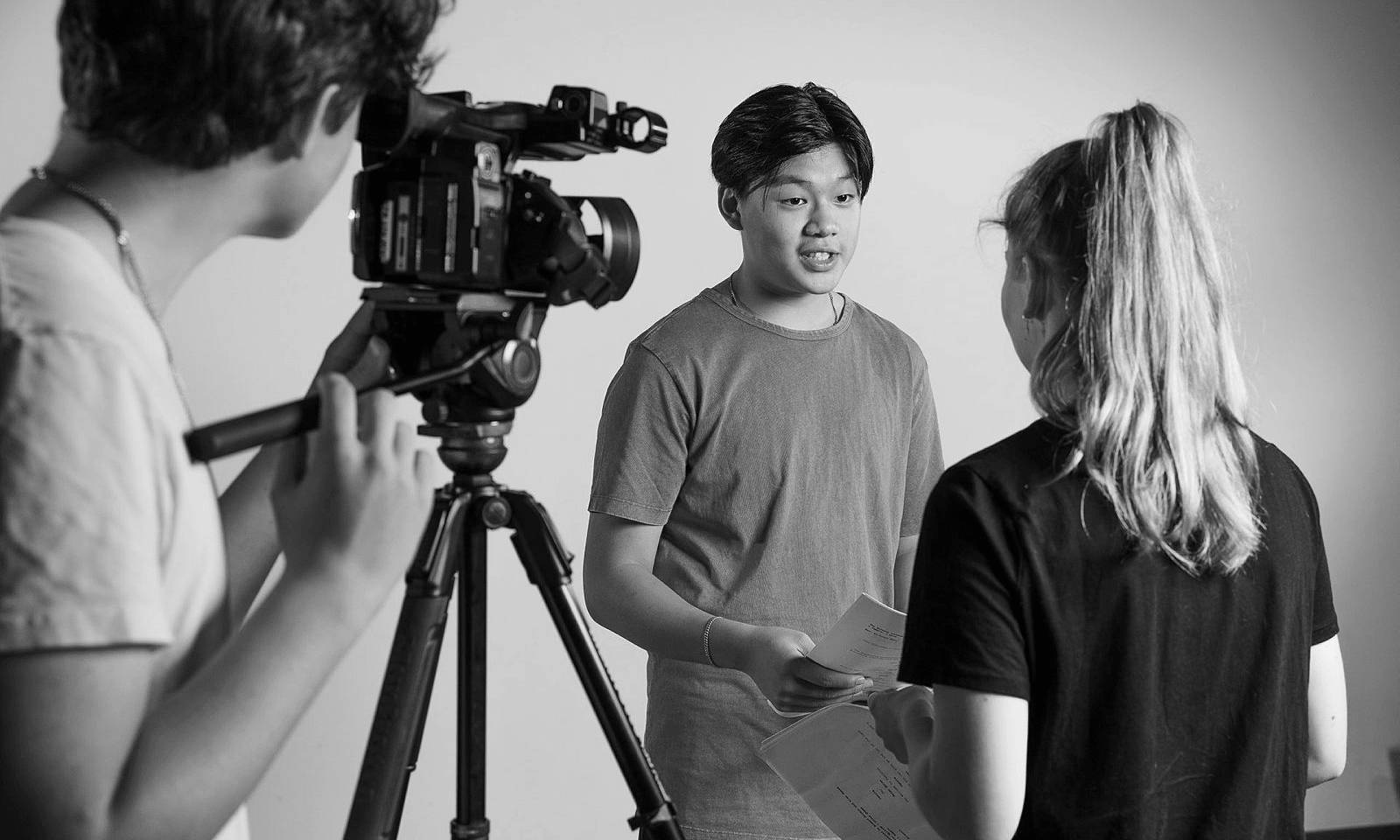
A short screen acting course for students in Grades 10 to 12, run by NIDA Open at NIDA's Kensington campus in Sydney and at Balam Balam Place in Melbourne. Over two or three days you work in an ensemble to build believable scenes on camera. Along the way you practice improvisation, character development and text analysis, plus camera technique such as hitting your mark and holding an eye line.

At a glance
Official facts · checked 24 Nov 2026- 2026: 7 to 9 December. 2027: 16 to 17 January (, NIDA Kensington, Sydney, 2 days), 23 to 24 January (, Balam Balam Place, Melbourne, 2 days)
- Students in Grade 10, Grade 11 or Grade 12. Home-schooled students and students at international schools should contact NIDA Open to discuss the best option
- 2026: $520. 2027: $395
- In person, Sydney, Melbourne
- Length
- 2 or 3 days depending on session
- Included / budget separately
- Separately: Food and refreshments (bring your own, on-site cafe), travel and any accommodation (arranged by family), Ambulance costs if NIDA staff call one
- Deposit and refunds
- Cancel more than 5 working days before the course starts: 20% of the course fee is kept as a cancellation fee, or you can ask for a credit note for the full amount
- Financial aid
- NIDA Open Equity Subsidy: subsidized tuition for secondary students in Grades 7 to 12 experiencing financial hardship or other disadvantage, regardless of previous experience
- Apply by
- Not published
- Cohort and selectivity
- There's no audition or application, so any student in Grades 10 to 12 can book a place
- Credit or certificate
- Certificate of Attendance issued by NIDA
Should you apply?
SucceedWhy it's worth it
It focuses on acting for camera specifically, from hitting your mark to holding an eye line, and packs that practice into a couple of full days with teachers who work in the industry.
What it asks of you
Two full days in January for $395, or three in December for $520, each running from 10am to 5pm, plus travel to Kensington or Brunswick each day. Students from outside Sydney or Melbourne will also need somewhere to stay, which NIDA Open doesn't arrange.
Who should skip it
Students who already work on camera, because NIDA Open pitches this as a start for young actors, and the work is done as an ensemble rather than through one-on-one coaching.
What do the days look like?
Each day runs from 10am to 5pm with a 45-minute lunch break, taken at 1pm in Sydney and 1:15pm in Melbourne. The work is practical and done as an ensemble, as you build on-screen scenes through three strands NIDA Open calls performance, characterization and technique. In performance you work out your scene's given circumstances and your character's objective, while characterization uses practical exercises to give you tools for playing different characters. Technique is about working with the camera, from hitting your mark and keeping your eye line to finding an on-screen presence, with improvisation and text analysis along the way.
Most NIDA Open courses for young people end with a 30-minute Open Session on the last afternoon, when family and friends can come in to see some of the work. Wear loose clothes and closed-toe shoes you can take off, bring a notepad or device for notes, and pack your own lunch.
Who teaches it?
It's taught by NIDA Open's teaching artists, who are professionally trained, work in the performing arts industry and do regular professional development with NIDA. The teacher isn't named in advance, but you can contact NIDA Open a week before the start to find out who it is, although staffing can change at short notice. NIDA Open doesn't publish a class size or teacher-to-student ratio.
Do you need to audition?
No. NIDA Open keeps auditions, interviews and written applications for its Lab and Studio programs, so this course is open to anyone in Grade 10, 11 or 12. Students are grouped by school grade the way state education departments do it, and home-schooled students or those at international schools should contact NIDA Open to work out the right course. NIDA Open can also merge published age groups when it needs to, so a class may mix in students from other grades.
What does it really cost?
The December session in Sydney costs $520 for three days, and each January session, in Sydney or Melbourne, costs $395 for two days. That pays for tuition only, so lunch, travel and any accommodation are on you (there's a cafe on site if you forget food), and if staff decide an ambulance is needed, the family pays for it.
A few things can bring the price down. NSW families can put a $50 Creative Kids voucher toward the Sydney sessions, but it has to be redeemed by phone before you pay. Holders of an Australian Government Health Care Card get 5% off, also by phone and with proof shown before enrolling, as long as the name on the card matches the student being enrolled. NIDA Open also offers Equity and First Nations subsidies for Grade 7 to 12 students facing financial hardship or other disadvantage.
Refunds are limited, and missing a class gets you no refund, credit or make-up session.
| When you cancel | What you get back |
|---|---|
| More than 5 working days before the start | The fee minus a 20% cancellation fee, or a credit note for the full amount |
| Within 5 working days of the start | A credit note valid for 12 months, requested in writing |
| After the course starts | Nothing |
| If NIDA cancels the course | A full refund, credit or transfer to another course |
What do you leave with?
You leave with a Certificate of Attendance, which NIDA issues for all its courses for young people, and some first experience of performing for camera. It isn't credit or a qualification, and NIDA doesn't say it counts toward entry to its full-time training. NIDA Open presents its short courses as a way to find out whether a career in the industry, and NIDA's full-time training, are right for you.
Don't count on leaving with showreel footage either. Any class recordings NIDA provides stay NIDA's copyright for personal use only and can't be sent to agents or festivals or used for school projects, and NIDA's terms bar participants from posting recordings of class activities on social media.
How are students looked after?
Students in Grade 10 and up aren't supervised at breaks and are free to leave campus, but they must tell their tutor or a NIDA staff member if they aren't coming back after a break. All NIDA staff in child-related roles hold a Working With Children Check or equivalent police check, and NIDA follows its Statement of Commitment to Child Safety.
Acting exercises can involve physical contact from tutors or other students, which NIDA's terms say may be part of the training. NIDA Open management investigates any bullying or harassment and can remove a student from classes over it. The enrollment form asks about allergies, accessibility and medical needs, so list anything staff should know.
What should you do next?
Frequently asked questions
Sources
- open.nida.edu.au/course/screen-acting-boot-camp-grades-10-12-2
Official page
- Our Learning Environment - NIDA OPEN
open.nida.edu.au
- Subsidies - NIDA OPEN
open.nida.edu.au
- Terms and Conditions - NIDA OPEN
open.nida.edu.au
- FAQs - NIDA OPEN
open.nida.edu.au
- open.nida.edu.au/registration-public-production
- NIDA Statement of Commitment to Child Safety (PDF)
nida.edu.au
- Values and Expectations: Staff, students, parents and guardians at…
open.nida.edu.au