Spirit of Adventure Trust 10 Day Development Voyage
- 2026 program
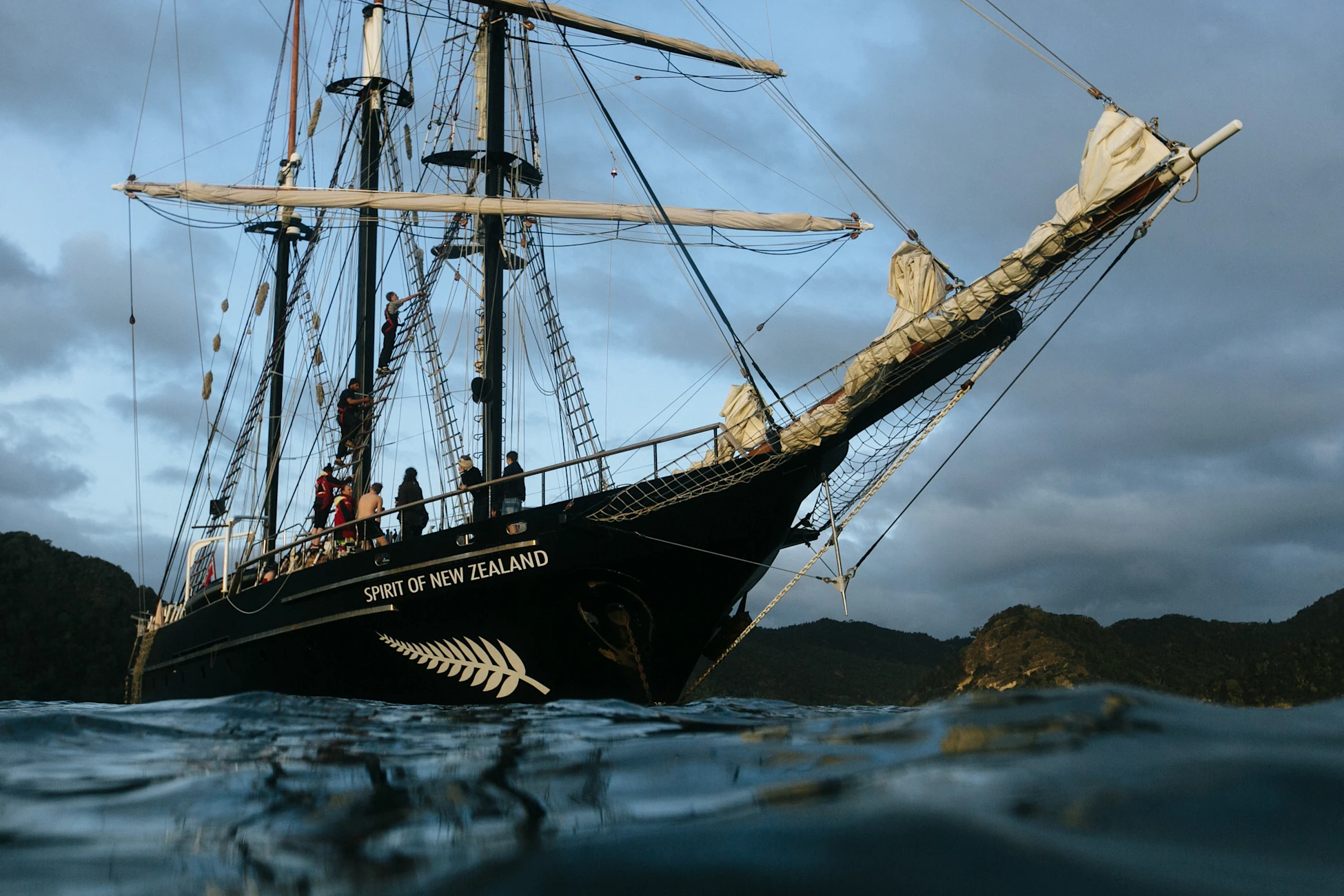
You spend 10 days living and working aboard Spirit of New Zealand, a three-masted tall ship, with 39 other young people aged 16 to 19 and a professional crew. Every voyage leaves from and returns to Princes Wharf in Auckland, and the route changes with the weather. The Spirit of Adventure Trust treats sailing as only one part of the voyage, which is built around challenges meant to grow your confidence, teamwork and leadership. Phones are locked away for the whole trip, and you don't need any sailing experience.
At a glance
Official facts · checked 24 Nov 2026- 2026: 2 to 12 December (Voyage 953), 12 to 22 December (Voyage 954), 28 December to 7 January 2027 (Voyage 955). 2027: 7 to 17 January (Voyage 956), 17 to 27 January (Voyage 957), 27 January to 6 February (Voyage 958), 6 to 16 February (Voyage 959), 26 February to 7 March (Voyage 960), 7 to 17 March (Voyage 961) and 8 more
- Aged 16 to 19 (must not have had their 20th birthday). Meet the medical criteria of the voyage. Maximum weight 140 kg, mobile and physically fit
- 2026: $2,995. 2027: $2,995
- In person, Auckland, New Zealand
- Length
- 1 or 2 weeks
- Included / budget separately
- Included: meals (meals are prepared in the ship's galley). Separately: travel to and from the ship in Auckland (not arranged by the Trust)
- Deposit and refunds
- Deposit NZ$500
- Financial aid
- Funding contributions toward the voyage fee are available for financial need, merit (hard work or community contribution) or regional support
- Apply by
- Not published
- Cohort and selectivity
- Places are booked directly through a participant profile while spaces last, with separate capacity limits for males and females on every voyage. Over 1,000 young people a year on 10-day voyages
- Credit or certificate
- Can count toward Duke of Edinburgh's Hillary Award sections (Bronze or Silver Adventurous Journey, Gold Residential Project and Gold Adventurous Journey). Spirit of Adventure is a Recognised Activity Provider.
- Official page
- spiritofadventure.org.nz/voyages/10-day-development
Should you apply?
SucceedWhy it's worth it
For 10 days you live and work on a tall ship with 39 other young people, under a crew who run safety drills, check the weather daily and keep every phone locked away. For Duke of Edinburgh's Hillary Award students, one voyage can also cover more than one section.
What it asks of you
The $2,995 fee comes before the cost of getting to Auckland, and the Trust describes the voyages as physically and mentally challenging. You'll need to be fit, go without your phone for the whole trip and live in clothes that can't be washed on board.
Who should skip it
Skip it if you want a sailing qualification or academic content, because the voyage doesn't lead to either.
Check spaces for your gender
Each voyage has separate limits for males and females, but the public schedule shows only combined spaces. The Trust's own funding form lists voyages 958, 959, 960, 961 and 963 as having male spaces only, so girls should check their dashboard before settling on a date.
Who can go, and what does the medical check involve?
Anyone aged 16 to 19 who hasn't turned 20 can book, as long as they meet the Trust's medical criteria and agree to its code of conduct. You book a place yourself through your online profile while spaces last. During booking you'll do a medical pre-screening, and the Trust needs to know about any history of heart conditions, epilepsy or seizures, physical or mental impairments, anxiety, depression or antisocial behavior. You also need to weigh no more than 140 kg and be mobile and physically fit. Once you've booked, you'll be emailed a link to a medical declaration, which you have to complete before your place is fully confirmed.
The ship's galley is small, so the Trust can't take young people with coeliac disease or anyone likely to have an anaphylactic reaction to food, stings or medicines. Vegetarian, gluten-free and dairy-free diets are fine.
What does the voyage really cost?
The voyage costs $2,995 in New Zealand dollars. A $500 deposit secures your sailing, and the remaining $2,495 is due 12 weeks before departure, so for the voyage leaving on 17 March 2027 you'd need the full amount by about 23 December 2026. On top of that you pay to get to Princes Wharf in Auckland and home again, because the Trust doesn't arrange transport. The ship returns at 9am, and the Trust suggests booking any flight home for after 1pm. Life jackets, wet-weather gear and medicine, including seasickness medication, are provided, and the Trust can lend some items on the gear list if you're struggling to get them.
The Trust also offers funding contributions toward the fee based on financial need, merit or where you live. Applications for voyages from April 2027 onward are due to open in February 2027. If you're booked on a voyage leaving before April 2027, the Trust takes funding applications for it separately and aims to reply within two weeks.
Who qualifies
You must be a New Zealand citizen or resident.
Your share
The Trust expects every applicant to contribute a koha (contribution), even a small one, and any money you raise yourself is due 12 weeks before departure.
Backing
You need a referee who isn't family, such as a teacher, employer or community leader, plus a letter or email from them and a parent or guardian's signature.
Regional funding
It's currently listed for Northland, Hawkes Bay, Gisborne, Taranaki, Wellington, Nelson, Marlborough, Tasman, West Coast and Southland.
How are students looked after at sea?
Each voyage carries six permanent crew and up to seven volunteers who manage safety on board, and every one of them is police-checked and screened. The permanent crew are trained in first aid and medical care, there's a designated Medical Officer on board, and everyone takes part in safety drills and an emergency muster before the ship sails. The crew check forecasts every day and change the plan to suit, and Maritime New Zealand certifies and regularly audits the Trust's operating plan.
Phones go to the ship's Master and stay locked away until the voyage ends. If parents need to reach you urgently, they call the Trust's office, which is in radio contact with the ship at all times.
Banned on board
Cigarettes, vapes, alcohol and drugs are banned, and the Trust or the Master can remove a participant from a voyage if they judge it necessary.
Medication
Bring only prescribed medicine and tell the Master about it when you board, because the ship carries its own first aid and medicine supplies.
Food
You can't bring any food or snacks on board, since some participants have allergies.
Does it count toward the Duke of Ed?
Yes. The Trust is a Recognised Activity Provider for the Duke of Edinburgh's Hillary Award, and the award body lists a 10-day voyage as counting toward the Bronze or Silver Adventurous Journey, or both, and toward both the Gold Residential Project and the Gold Adventurous Journey. For the Gold Residential, you can't know more than one other person on your watch. For an Adventurous Journey, you need to tell the crew which section you're counting the voyage toward. If you use the voyage for both your practice and qualifying journeys, all the training is given on board, so you don't need separate bushcraft training. The Trust emails your assessor details after the voyage.
The Trust doesn't mention any other certificate or a sailing qualification. Former participants can come back later as volunteer crew.

Sean
Talk it through with Sean
Want to talk it through?
“I can help you compare the programs you're considering, think through the practicalities and work out what makes sense for you.”
What should you do next?
Frequently asked questions
Sources
- 10 Day Development
spiritofadventure.org.nz · Official page
- Gift a Scholarship
spiritofadventure.org.nz
- Fisher Windows Sponsorship Bookings
spiritofadventure.org.nz
- Funding Contribution Application Page
spiritofadventure.org.nz
- Scholarship
spiritofadventure.org.nz
- Our Ship
spiritofadventure.org.nz
- Safety at Spirit
spiritofadventure.org.nz
- Getting to the Ship Auckland
spiritofadventure.org.nz