
First-wave deadline
22 February 2026
Application fee increased after this date.

A hands-on Oxford immunology course exploring immune cells, disease, vaccines, laboratory methods, and medical research careers.
See Succeed's assessment of the programme, who it may suit, the estimated total cost, what applying involves and what is still to confirm.
or let us know if .
What Succeed checks
We review public program details such as eligibility, age range, cost, duration, location, format, accommodation, meals and application timing.
What Last verified means
Last verified is the latest date Succeed checked the public details shown on this page. Program dates, prices and availability can still change.
How official sources are used
Succeed uses official provider information where available, then rewrites it into a student-facing summary for comparison and planning.
Why some dates are reference dates
If the current cycle is not available, Succeed may show the latest verified cycle dates so you can understand typical timing.
Succeed is independent from this provider unless a partnership is clearly stated.
Current status
Upcoming
Eligibility
Grades 9-12; 3.0 GPA
Age range / Year group
Ages 14-18
Location / Region
Oxford, United Kingdom
Cost
$5,498 residential; $2,498 commuter
Duration
1 week
Format
In-person
This Oxford summer course introduces how immune cells, tissues and organs protect the body, alongside the mechanisms involved in infection, allergy, autoimmunity and immunization.
Students learn through microscope work, basic laboratory experiments, expert-led discussion and case studies of real immune disorders and treatments.
It suits students considering advanced biology, pre-med study or careers in clinical immunology, medical research and pharmaceutical development.
The Immunology High School Course is an intensive Summer Springboard course introducing the structure, mechanisms and functional dynamics of the immune system. Students examine how immune responses fight infection and contribute to vaccination, cancer immunotherapy and treatment of immune disorders.
Teaching combines small seminar-style classes with microscope work, basic experiments, case discussions and contact with scientists. The academic experience connects immune-system science to research, clinical medicine and pharmaceutical careers.
The course moves beyond introductory theory through microscope work and basic laboratory experiments.
Small seminar-style classes support active discussion and closer contact with academics and peers.
Disease case studies connect immune mechanisms to allergies, vaccines, autoimmune conditions and treatments.
Students can explore both clinical and research careers with practicing immunologists and researchers.
The curriculum provides a focused bridge into advanced biology and pre-med study.
High-school students who enjoy biology and want practical exposure to immunology, laboratory methods and medical research careers.
You want university credit, a long independent research project or a purely classroom-based biology course.
It can be worthwhile for a student who wants to test a serious interest in immunology before committing to advanced biology, medicine or research. Practical lab work, case discussions and career contact give the course more exploratory value than lecture-only study.
The main limitation is cost: tuition is joined by a mandatory course supplement, deposit and application fee, while Oxford students do not earn college credit. Its value therefore depends on whether the student will actively use the experience to guide later study and career decisions.
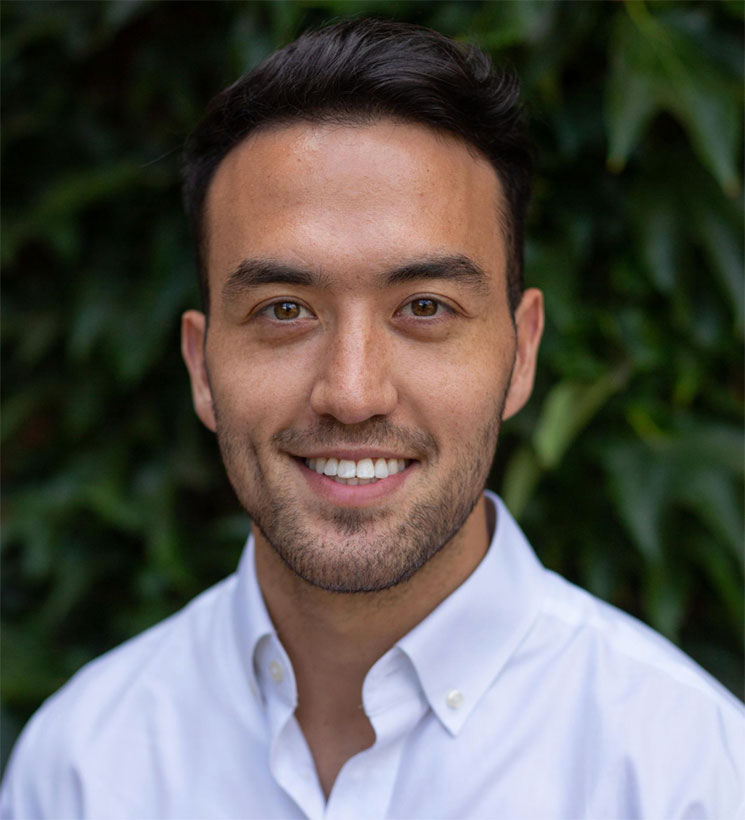
Sean
Founder, Succeed
Talk it through with Sean
“I can help you compare the programmes you're considering, think through the practicalities and work out what makes sense for you.”
20 minutes · No obligation to enrol
A practical overview of cost, accommodation, meals, dates and provider details to review before deciding.
Cost and what is included
$5,498 residential; $2,498 commuter; includes Residential tuition includes all meals, lodging, excursions and the academic course., Commuter tuition includes lunch, excursions, the course and weekday programming from 9am to 5pm., All students receive a completion certificate and professor-completed recommendation letter..
Meals
Residential all meals; commuter lunch
Provider details
Review the Summer Springboard provider page and official sources before making a final decision.
Dates and logistics
1 week; Oxford, United Kingdom.
What to check before committing
Confirm current dates, payment terms, travel arrangements, cancellation rules and what is included with the provider.
Compare this program with similar options before deciding on dates, cost, format and fit.
Compare with similar programsEffort level
Moderate academic and planning commitment.
Best started
Begin six to eight weeks before the next published deadline, allowing longer for international travel documents or health paperwork.
Main challenge
Absorbing unfamiliar cellular and molecular concepts during an intensive week.
Review basic cell biology, antibodies and innate versus adaptive immunity.
Prepare questions about clinical, pharmaceutical and academic research careers.
Gather application, health and travel documents early with a parent or guardian.
Plan the full budget, including the course supplement and application charges.
Useful if
You already enjoy biology and want to explore medicine or research.
Students move from immune-system fundamentals to practical investigation and real clinical or research contexts. Laboratory activities, case discussions and professional contact reinforce the seminar teaching.
Learn how immune cells, tissues and organs recognize and fight disease.
Compare the cellular players and mechanisms of innate and adaptive immunity.
Use microscopes to examine blood cells and observe basic immune reactions.
Conduct basic laboratory experiments related to immune-system function.
Analyze case studies involving allergies, vaccines, autoimmunity and treatment.
Meet immunologists and researchers to discuss clinical and research pathways.
Join course-linked labs, workshops or academic excursions in Oxford.
Next cycle not announced yet. These dates are from the latest verified cycle and should be used as a reference only.
First-wave deadline
22 February 2026
Application fee increased after this date.
Second-wave deadline
19 April 2026
Application fee increased after this date.
Final admission deadline
17 May 2026
Final general admission date for 2026 programs.
Programme dates
19-25 July 2026
| Milestone | Date | Timezone | Status | |
|---|---|---|---|---|
First-wave deadline | 22 February 2026 | Local | Reference date | |
Second-wave deadline | 19 April 2026 | Local | Reference date | |
Final admission deadline | 17 May 2026 | Local | Reference date | |
Programme dates | 19-25 July 2026 | Local | Reference date |
Open to students in Grades 9-12.
Starting high school students may also enroll.
Spring high-school graduates may also enroll.
Minimum 3.0 GPA or local equivalent.
International applicants must demonstrate English proficiency.
Applicants must meet the Essential Eligibility Criteria.
First-week tuition
$5,498 residential; $2,498 commuter — Choose the residential or commuter option.
Funding or discounts
What's included
Residential tuition includes all meals, lodging, excursions and the academic course., Commuter tuition includes lunch, excursions, the course and weekday programming from 9am to 5pm., All students receive a completion certificate and professor-completed recommendation letter.
Ask a parent or guardian to register an application-portal account.
Confirm the verification email and complete the account details.
Create a new application from the portal dashboard.
Select Oxford, the preferred session, Immunology and the tuition type.
Enter the student details and complete the application with the student present.
Pay the $600 deposit and application fee, then submit the application.
Complete any additional forms released after acceptance.
Next step with Succeed
or let us know if .
Succeed replies first, usually within a working day
The program covers the following focus areas.
Immune-system foundations
Study immune cells, tissues, organs and their protective functions.
Innate and adaptive immunity
Compare the mechanisms and cellular players of both immune responses.
Disease and treatment
Analyze allergy, immunodeficiency, autoimmunity, vaccines and cancer immunotherapy.
Laboratory immunology
Use microscopes and basic experiments to investigate immune reactions.
Research and careers
Explore clinical, pharmaceutical and academic immunology pathways.
Curriculum may be adjusted based on participant interests and current developments.
A typical day during the program.
Seminar teaching runs around a 15-minute mid-morning break.
Course-linked practical work or an off-campus academic visit.
Residential students join the scheduled social or cultural activity.
Residential students return to their rooms for the night routine.
The named instructor, Dr. Gerardo Montalvo, is a postdoctoral research scientist and medical-sciences research associate at Oxford. His research focuses on prophylactic Hepatitis C and universal coronavirus vaccines using viral vectors and mRNA.
The wider Oxford program also uses local faculty, academics and professional experts.
Rooms are shared, bathrooms are communal and basic linens are provided.
After completing this program, participants often pursue:
Build a foundation for advanced high-school biology.
Test interest in pre-med and clinical immunology study.
Explore medical research and academic science careers.
Learn about pharmaceutical and vaccine-development pathways.
Receive a completion certificate and professor recommendation letter.
The Oxford course does not award college credit.
The course runs in Oxford, with students based at St. Stephen’s House near the city center, local shops and the University of Oxford Athletics Centre. Academic excursions can draw on Oxford’s libraries, museums, research facilities and professional venues.
Summer Springboard operates the program independently of the University of Oxford.
Compare these related medicine and biological-science programs if you want a longer course, another campus or an online research format.
Medical and biological sciences summer study
Best for
Students wanting broader coverage than immunology alone.
Hands-on medical summer study at Yale
Best for
Older students exploring medicine beyond a single specialty.
Medicine and health-care career exploration
Best for
Students comparing clinical and health-care pathways.
Online medical research with academic writing
Best for
Students preferring remote, research-led medical study.
Save this program in Succeed to compare it with similar programs, dates, costs and formats in one place.
Compare with other programsContent reviewed by
Co-founder, Succeed | Former secondary teacher and educational leader
Ben works at the intersection of education, technology and school adoption, with expertise in how secondary schools evaluate data-driven tools and how education technology is used in practice.
Succeed uses official provider information where available, but keeps this public page focused on comparison and planning inside Succeed.
Course page checked
Campus details reviewed
Tuition verified
Session date checked
Eligibility reviewed
Application steps checked
Safety policies reviewed
Refund terms reviewed
We use source material to verify core facts, then show older cycle dates as reference when a current cycle is not available. Always check current application instructions before applying.
Immunology High School Course
by Summer Springboard
May qualify for the £300 Succeed Programme Award.
Get the full picture before you decide
Succeed's assessment, estimated total cost and what applying involves.
No account needed for the Guide or Compare.