
Applications
Rolling admissions

A hands-on marine science course combining dissections, coastal fieldwork, biodiversity analysis, and conservation study in an ocean-research setting.
See Succeed's assessment of the programme, who it may suit, the estimated total cost, what applying involves and what is still to confirm.
or let us know if .
What Succeed checks
We review public program details such as eligibility, age range, cost, duration, location, format, accommodation, meals and application timing.
What Last verified means
Last verified is the latest date Succeed checked the public details shown on this page. Program dates, prices and availability can still change.
How official sources are used
Succeed uses official provider information where available, then rewrites it into a student-facing summary for comparison and planning.
Why some dates are reference dates
If the current cycle is not available, Succeed may show the latest verified cycle dates so you can understand typical timing.
Succeed is independent from this provider unless a partnership is clearly stated.
Current status
Applications open
Eligibility
Grades 9-12; 3.0 GPA
Age range / Year group
Ages 14-18
Location / Region
San Diego, California, United States
Cost
$3,298 commuter; $5,998 residential
Duration
2 weeks
Format
In-person
This is an applied marine science course built around dissections, ecological fieldwork, biodiversity sampling, data interpretation, and conservation.
UC San Diego provides strong subject context through its proximity to Scripps Oceanography, Birch Aquarium, tide pools, and coastal research environments.
It suits students who want to test marine biology through practical study while also experiencing college-style learning and campus life.
The Marine Biology High School Course is a hands-on Summer Springboard course focused on marine organisms, ocean ecosystems, biodiversity, and conservation. Students learn through dissections, field observations, ecological sampling, and data analysis rather than relying only on classroom lectures.
The course uses UC San Diego’s coastal setting and nearby ocean-science institutions to connect biological concepts with real environments. Marine scientists and conservation professionals also introduce research questions, career pathways, and the practical work involved in ocean science.
The curriculum combines organism dissections, field observation, ecological sampling, and data analysis in one focused course.
UC San Diego’s proximity to Scripps Oceanography, Birch Aquarium, and coastal habitats gives the subject a credible real-world setting.
Students examine both marine biodiversity and the environmental pressures affecting ocean ecosystems.
Contact with marine scientists and conservation professionals helps connect academic study with future pathways.
Residential and commuter options make the campus experience accessible in two different formats.
Students interested in biology, ecology, conservation, or ocean science who want practical field and laboratory experience.
You prefer a purely theoretical course, need college credit, or are uncomfortable with dissections, field observations, and a structured campus schedule.
The course can be worthwhile for a student who wants to test a serious interest in marine science before choosing future subjects or university pathways. Its strongest feature is the combination of practical biology, ecological data work, professional contact, and a coastal research setting.
The limitation is cost: tuition, the mandatory course supplement, travel, and possible extras make this a substantial investment, and the course does not award college credit. Its value therefore depends on whether the student will actively use the fieldwork, reflection, and pathway insight afterward.
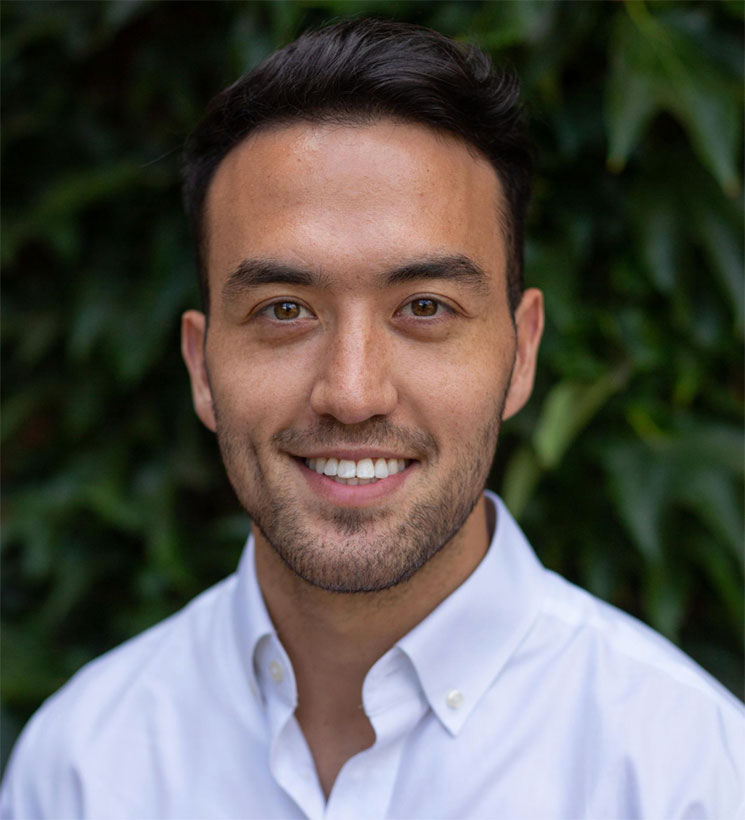
Sean
Founder, Succeed
Talk it through with Sean
“I can help you compare the programmes you're considering, think through the practicalities and work out what makes sense for you.”
20 minutes · No obligation to enrol
A practical overview of cost, accommodation, meals, dates and provider details to review before deciding.
Cost and what is included
$3,298 commuter; $5,998 residential; includes Residential tuition includes lodging and all meals., Residential tuition includes the academic course and excursions., Residential tuition includes weekend excursions., Commuter tuition includes lunch and the academic course., Commuter tuition includes excursions and weekday programming., All students receive college-readiness workshops..
Accommodation
Residential or commuter
Meals
3 daily residential; lunch commuter
Provider details
Review the Summer Springboard provider page and official sources before making a final decision.
Dates and logistics
2 weeks; San Diego, California, United States.
What to check before committing
Confirm current dates, payment terms, travel arrangements, cancellation rules and what is included with the provider.
Compare this program with similar options before deciding on dates, cost, format and fit.
Compare with similar programsEffort level
Moderate to high.
Best started
Begin six to eight weeks before the next application deadline, or earlier if arranging travel, funding, medical forms, or a visa.
Main challenge
Moving between biological detail, field sampling, and ecosystem-level analysis.
Review core ecology terms, food webs, adaptation, and biodiversity before the course.
Practice recording observations clearly and turning simple data into tables or graphs.
Discuss any dietary, medical, accessibility, or support needs early with the provider.
Plan travel, required documents, tuition, and the residential or commuter choice well before the session.
Useful if
You have a basic grounding in biology and genuine interest in marine environments.
Students investigate marine ecosystems through practical scientific work and connect their findings to conservation and marine-science careers.
Study marine vertebrates, invertebrates, habitats, and ecosystem relationships.
Complete marine organism dissections and structured field observations.
Use ecological sampling methods to collect biodiversity and environmental data.
Interpret data on species behavior, pollution, climate effects, and ecosystem health.
Assess environmental threats and conservation strategies.
Meet marine scientists and conservation professionals to explore future pathways.
Applications
Rolling admissions
Session 1
20 June-2 July 2027
Two-week UC San Diego course session.
Session 2
27 June-9 July 2027
Two-week UC San Diego course session.
Session 3
11-23 July 2027
Two-week UC San Diego course session.
Session 4
25 July-6 August 2027
| Milestone | Date | Timezone | Status | |
|---|---|---|---|---|
Applications | Rolling admissions | Local | Date not confirmed | |
Session 1 | 20 June-2 July 2027 | Local | Upcoming | |
Session 2 | 27 June-9 July 2027 | Local | Upcoming | |
Session 3 | 11-23 July 2027 | Local | Upcoming | |
Session 4 | 25 July-6 August 2027 | Local | Upcoming |
Students entering Grades 9-12
Students starting high school in the fall
Spring high school graduates
Minimum 3.0 GPA or equivalent
English proficiency required for international students
Essential Eligibility Criteria must be met
Residential tuition
$5,998 — Includes lodging, meals, course, and excursions.
Funding or discounts
What's included
Residential tuition includes lodging and all meals., Residential tuition includes the academic course and excursions., Residential tuition includes weekend excursions., Commuter tuition includes lunch and the academic course., Commuter tuition includes excursions and weekday programming., All students receive college-readiness workshops.
Open the official application portal and enter basic contact information.
Confirm the verification email and complete the account details.
Choose Create New Application from the dashboard.
Select UC San Diego, a session, Marine Biology, and a tuition type.
Complete the student information with the student present.
Submit the application and pay the deposit and application fee.
Complete any additional forms or supporting documents requested after review.
Next step with Succeed
or let us know if .
Succeed replies first, usually within a working day
The program covers the following focus areas.
Marine organisms
Study the anatomy, behavior, and ecological roles of vertebrates and invertebrates.
Ocean ecosystems
Explore habitat relationships, species interactions, and ecosystem functioning.
Field and laboratory methods
Practice dissections, observations, sampling, data collection, and interpretation.
Marine conservation
Assess pollution, climate impacts, biodiversity threats, and conservation responses.
Study and career pathways
Learn how marine scientists and conservation professionals apply ocean science.
Curriculum may be adjusted based on participant interests and current developments.
A typical day during the program.
Students begin their selected academic course with college-style, hands-on learning.
Students join a recreational activity or course-related academic excursion.
College-readiness or personal-development workshops follow the main course period.
Residential students take part in clubs and organized evening activities.
The named instructor is marine ecologist Fernanda Urrutia, who earned a PhD in Marine Biology from Scripps Institution of Oceanography and UC San Diego. Students also engage with marine scientists and conservation professionals to understand research and career pathways.
Summer Springboard states that students learn from academics and professionals with relevant field experience.
Residential suites are separated by gender and contain shared rooms, bathrooms, and common living space.
After completing this program, participants often pursue:
Use marine fieldwork to test interest in biology or environmental science.
Build practical experience in ecological sampling and biodiversity analysis.
Explore university study and research pathways in marine science.
Learn about conservation and ocean-science careers from professionals.
Receive a completion certificate and professor recommendation letter.
The course does not award college credit at UC San Diego.
The course is based on the UC San Diego campus in San Diego, California. The setting places students near Scripps Oceanography, Birch Aquarium, La Jolla tide pools, marine reserves, and other coastal environments that support field-based learning.
Summer Springboard operates the program independently of UC San Diego.
Compare these related science programs if you want a different subject balance, age range, or campus experience.
Broader biology study in Cambridge
Best for
Students wanting broader biological study rather than a marine specialization.
Modern science methods and questions
Best for
Ages 11-16 seeking a broader introduction to science.
Environmental science with research methods
Best for
Students more interested in environmental systems than marine organisms.
Save this program in Succeed to compare it with similar programs, dates, costs and formats in one place.
Compare with other programsContent reviewed by
Co-founder, Succeed | Founder, Immerse Education (2012–2026)
Sean works at the intersection of academic enrichment, program quality and university preparation, with expertise in evaluating pre-university experiences for ambitious secondary school students.
Succeed uses official provider information where available, but keeps this public page focused on comparison and planning inside Succeed.
Course content checked
Eligibility reviewed
Tuition options verified
Session dates checked
Accommodation details reviewed
Application process verified
Refund terms reviewed
We use source material to verify core facts, then show older cycle dates as reference when a current cycle is not available. Always check current application instructions before applying.
Marine Biology High School Course
by Summer Springboard
Get the full picture before you decide
Succeed's assessment, estimated total cost and what applying involves.
No account needed for the Guide or Compare.