
Applications
Rolling admissions

Explore medical specialties through clinical simulations, case research, CPR training and guidance from physicians and medical trainees.
See Succeed's assessment of the programme, who it may suit, the estimated total cost, what applying involves and what is still to confirm.
or let us know if .
What Succeed checks
We review public program details such as eligibility, age range, cost, duration, location, format, accommodation, meals and application timing.
What Last verified means
Last verified is the latest date Succeed checked the public details shown on this page. Program dates, prices and availability can still change.
How official sources are used
Succeed uses official provider information where available, then rewrites it into a student-facing summary for comparison and planning.
Why some dates are reference dates
If the current cycle is not available, Succeed may show the latest verified cycle dates so you can understand typical timing.
Succeed is independent from this provider unless a partnership is clearly stated.
Current status
Applications open
Eligibility
Grades 9-12; 3.0 GPA
Age range / Year group
Ages 14-18
Location / Region
Berkeley, California, United States
Cost
$6,298; $3,298
Duration
2 weeks
Format
In-person
A practical introduction to medicine that combines specialty exploration with simulations, patient cases and research.
Students examine fields such as cardiology, radiology and orthopedics while learning how medical-school admissions, entrance exams and residency planning fit together.
It suits students who want to test their interest in medicine before committing to a particular specialty or university pathway.
The Pre-Med High School Course is a Summer Springboard academic experience designed to help students explore medical careers. Its curriculum covers multiple specialties, the medical-school pathway, scientific inquiry and the work of doctors, residents and medical students.
Students learn through medical rotations, patient cases, simulation activities, research and campus-specific excursions. The experience balances structured morning classes with practical exposure, college-readiness activities and a broader taste of campus life.
The curriculum lets students compare several medical specialties before choosing a narrower path.
Clinical simulations, patient cases and medical-facility visits connect career exploration with practical experience.
Physicians, residents and medical students provide insight into training and day-to-day medical careers.
CPR and AED certification gives students a concrete outcome alongside their academic learning.
Residential and commuter options make the campus experience more flexible for families.
Students curious about medicine who want practical exposure to several specialties, medical training routes and campus life before choosing a narrower direction.
You already want sustained, advanced study in one medical specialty or need a low-cost, nonresidential academic option.
It can be worthwhile for students who want to test whether medicine matches their interests through simulations, specialty rotations and direct contact with medical professionals. The strongest value comes from using those experiences to make a more informed subject and career choice.
The course is broad rather than specialist, and the total family cost rises once tuition, the mandatory supplement, travel and optional services are considered. Students should compare campuses carefully and avoid treating the university setting as university endorsement or academic credit.
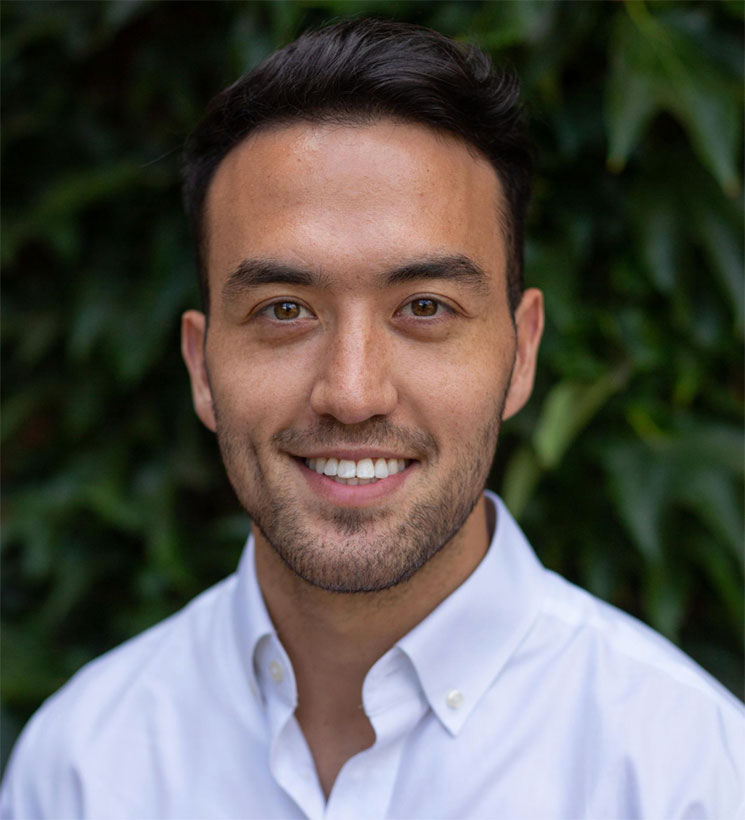
Sean
Founder, Succeed
Talk it through with Sean
“I can help you compare the programmes you're considering, think through the practicalities and work out what makes sense for you.”
20 minutes · No obligation to enrol
A practical overview of cost, accommodation, meals, dates and provider details to review before deciding.
Cost and what is included
$6,298; $3,298; includes Residential tuition includes the academic course, lodging and all meals., Residential tuition includes excursions and weekend excursions., Commuter tuition includes the academic course and weekday lunch., Commuter tuition includes excursions and weekday programming., Scholarships can cover up to 30% of residential tuition., Scholarships can cover up to 60% of commuter tuition..
Accommodation
Residential or commuter
Meals
Residential all meals; commuter lunch
Provider details
Review the Summer Springboard provider page and official sources before making a final decision.
Dates and logistics
2 weeks; Berkeley, California, United States.
What to check before committing
Confirm current dates, payment terms, travel arrangements, cancellation rules and what is included with the provider.
Compare this program with similar options before deciding on dates, cost, format and fit.
Compare with similar programsEffort level
High, with full campus days and nine three-hour classes.
Best started
Begin six to eight weeks before the application deadline to compare campuses and assemble the required forms.
Main challenge
Absorbing several medical specialties while completing practical and research-based work.
Review the three campuses, session dates and residential or commuter options together.
Prepare concise answers explaining your interest in medicine and what you hope to explore.
Collect academic and English-proficiency information early if it may be requested.
Budget separately for the course supplement, application fee and travel.
Useful if
You want evidence to support future medicine subject and career decisions.
Students combine morning academic classes with medical simulations, case analysis, research, professional interaction and campus activities. The exact excursions and teaching team depend on the selected campus and session.
Explore specialties including cardiology, radiology and orthopedics.
Rotate through medical disciplines and discuss career pathways with professionals.
Review patient cases and consider diagnoses, treatments and care plans.
Research an emerging medical issue and develop possible responses.
Complete simulation-based training and CPR certification requirements.
Join academic excursions, college-readiness workshops and campus activities.
Applications
Rolling admissions
Session 2
20 June-2 July 2027
Session 4
4-16 July 2027
Session 6
18-30 July 2027
| Milestone | Date | Timezone | Status | |
|---|---|---|---|---|
Applications | Rolling admissions | Local | Date not confirmed | |
Session 2 | 20 June-2 July 2027 | Local | Upcoming | |
Session 4 | 4-16 July 2027 | Local | Upcoming | |
Session 6 | 18-30 July 2027 | Local | Upcoming |
Students in Grades 9-12
Minimum 3.0 GPA or local equivalent
Students entering high school in fall may apply
Recent spring high-school graduates may apply
International applicants must demonstrate English proficiency
Applicants must meet Essential Eligibility Criteria
Program tuition
$3,298-$6,798 — Residential and commuter options vary by campus.
Funding or discounts
What's included
Residential tuition includes the academic course, lodging and all meals., Residential tuition includes excursions and weekend excursions., Commuter tuition includes the academic course and weekday lunch., Commuter tuition includes excursions and weekday programming., Scholarships can cover up to 30% of residential tuition., Scholarships can cover up to 60% of commuter tuition.
Create an online account and confirm the verification email.
Complete the account and student contact details.
Choose a campus, session, Pre-Med course and tuition type.
Complete the application with the student present.
Submit the required forms, deposit and application fee.
Provide any additional supporting information requested during review.
Check the emailed enrollment decision and complete the remaining forms.
Next step with Succeed
or let us know if .
Succeed replies first, usually within a working day
The program covers the following focus areas.
Medical specialties
Compare fields including cardiology, radiology and orthopedics.
Clinical reasoning
Review patient cases, diagnoses, treatments and care plans.
Medical simulation
Practice clinical skills through realistic simulation activities.
Research and inquiry
Investigate an emerging medical issue and possible solutions.
Medical career pathway
Examine admissions, entrance exams, residency and career planning.
Curriculum may be adjusted based on participant interests and current developments.
A typical day during the program.
Complete the selected academic course and practical medical work.
Join an academic excursion or recreational activity.
Attend college-readiness or personal-development workshops.
Residential students take part in clubs and social activities.
Teaching is led or coordinated by physicians with medical education, clinical and simulation experience. Campus teams include UCSF resident physicians, Brigham and Women’s Hospital physicians and named UC San Diego clinicians, with medical students and residents also contributing to the learning experience.
The named instructor or physician team varies by campus and session.
Room layouts vary: Berkeley and Cambridge describe shared rooms and common bathrooms, while UC San Diego uses shared rooms in multiroom suites.
After completing this program, participants often pursue:
Use specialty exposure to identify possible medical interests.
Apply patient-case and research experience to future academic work.
Use CPR and AED certification as evidence of practical training.
Build a clearer understanding of medical-school applications and residency.
Reflect on professional interactions when planning future super-curricular activity.
The course supports exploration and preparation; it is not a medical qualification.
The course is offered in Berkeley and San Diego, California, and Cambridge, Massachusetts, using campus settings as bases for classes, accommodation and regional excursions. Campus-specific medical experiences may include simulation centers, medical schools, hospitals, research facilities and healthcare organizations.
The provider states that most host universities do not run or control its programs.
Compare these published medicine programs if you want a different campus, age range, curriculum or price point.
Medical exploration in a New Haven campus setting
Best for
Students wanting an in-person medicine course in New Haven
Medicine and healthcare experience with public speaking
Best for
Students comparing medicine with wider healthcare careers
Senior-level medical and biological sciences study
Best for
Older students wanting medicine alongside biological sciences
Pre-university medicine course with practical problem-solving
Best for
Students seeking a shorter Cambridge medical course
Save this program in Succeed to compare it with similar programs, dates, costs and formats in one place.
Compare with other programsContent reviewed by
Co-founder, Succeed | Founder, Immerse Education (2012–2026)
Sean works at the intersection of academic enrichment, program quality and university preparation, with expertise in evaluating pre-university experiences for ambitious secondary school students.
Succeed uses official provider information where available, but keeps this public page focused on comparison and planning inside Succeed.
Course details checked
Campus options compared
Session dates verified
Tuition options reviewed
Eligibility criteria checked
Schedule structure verified
Housing details reviewed
Funding information checked
We use source material to verify core facts, then show older cycle dates as reference when a current cycle is not available. Always check current application instructions before applying.
Pre-Med High School Course
by Summer Springboard
May qualify for the £300 Succeed Programme Award.
Get the full picture before you decide
Succeed's assessment, estimated total cost and what applying involves.
No account needed for the Guide or Compare.