
Biology
Deadline: Not announced yet
From £3,295
16-17
London
In-person
by University of Oxford UNIQ Summer Schools
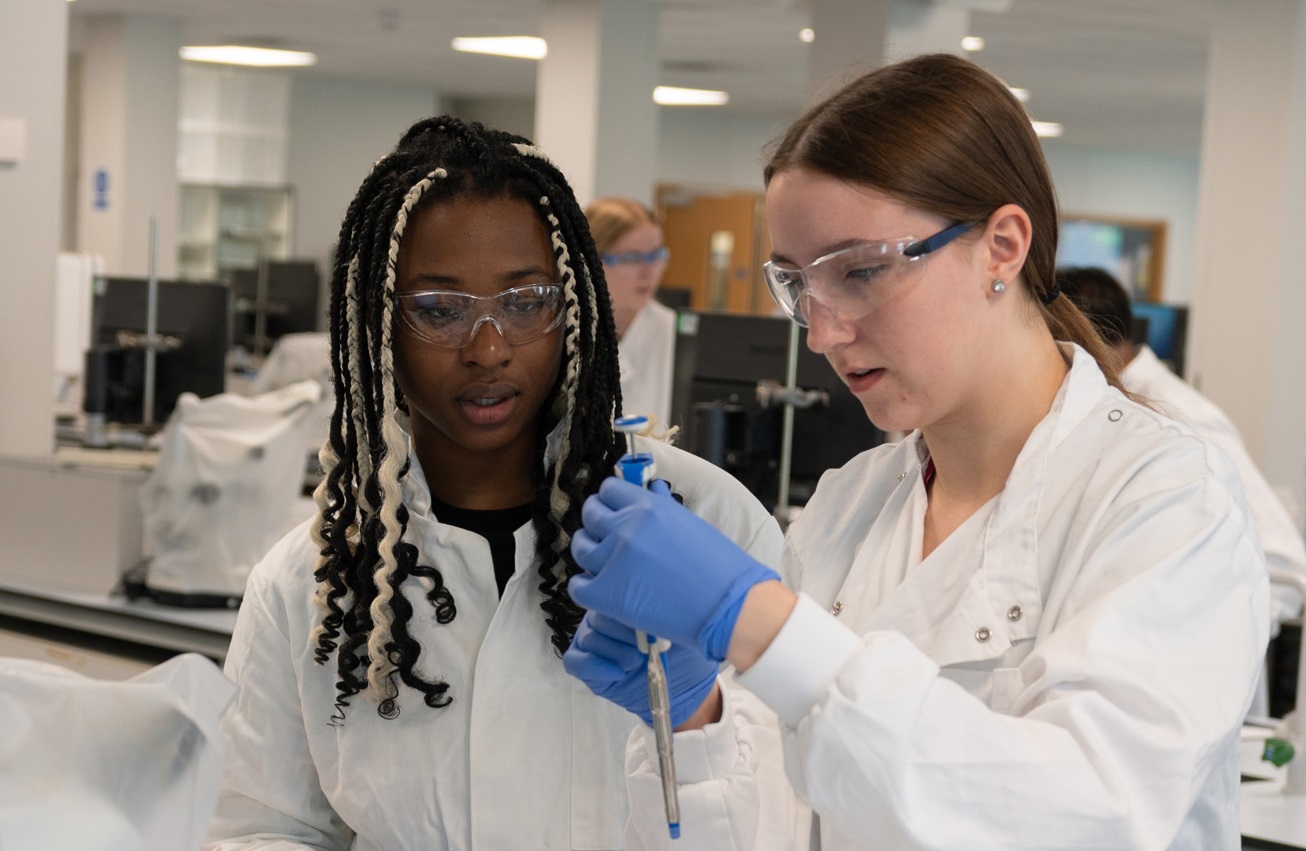
A free one-week residential in Oxford that gives sixth form students at UK state schools a taste of Oxford's undergraduate Biomedical Sciences degree, which looks at how the human body works in health and disease. You stay four nights in an Oxford college, watch a first-year lecture, learn how tutorials work and question working scientists on topics like sleep cycles, fruit fly development and stress hormones. The course is part of UNIQ, the University of Oxford's access program, which also includes a spring regional event and online help with applying to Oxford.
 Sean Stevens · Sources
Get the key facts by email
The dates, costs and how to apply, all in one place.
Succeed's assessment
In short
Why it's worth it
You see how Oxford actually teaches this degree, from a first-year lecture to a tutorial, and you can question working scientists and current students directly, with travel, your room and meals all paid for.
What it asks of you
Five days in Oxford from Monday to Friday, and staying in college is compulsory even if you live nearby. You also take part in a spring regional event and an online preparation meeting, and UNIQ calls the week so intensive that you should finish any school project due around then before you go.
Who should skip it
Students at independent schools or living overseas, because UNIQ only takes UK state school students with home fee status, and anyone who has already done a UNIQ course, since each student can attend only once.
Teaching runs during the day on Tuesday, Wednesday and Thursday, although UNIQ doesn't publish class hours. You arrive on Monday, stay four nights in an Oxford college and leave on Friday after a closing mini conference with everyone else on your week.
The course samples the breadth of the Oxford degree, from genetics to experimental psychology to organ systems. You observe a real first-year lecture, learn how Oxford's tutorials work and hear leading scientists talk about their research, with time to question them on topics such as the science behind sleep cycles, how fruit flies help explain development and the role of hormones in stress. Current students act as ambassadors throughout, so you can ask what the degree is like day to day.
Evenings bring optional social activities with your college group, time to explore Oxford and other colleges, and a common room where ambassadors and the site manager are around to answer questions.
You need to be studying at least two of Chemistry, Biology, Physics or Maths at A level or equivalent, because UNIQ matches each course to the subject requirements of the Oxford degree. On top of that come UNIQ's general rules: you must be at a UK state school or college (grammar schools count, and home-educated students can apply), have or expect home fee status, be under 18 at the time of the residential and have no more than one completed A level. Anyone who has already attended UNIQ is disqualified. You also need to be in your first year of sixth form study, which looks different across the UK.
Beyond those rules, places are decided in context. UNIQ normally expects at least six GCSEs with one or more at grade 7 or A (or six National 5s with at least one A), strongly prioritizes students with care experience, and also takes into account Free School Meals eligibility and socioeconomic background, for example by checking your home postcode against a deprivation index. UNIQ works with over a thousand students a year across more than thirty courses but doesn't publish how many places Biomedical Sciences has. You name a second-choice course too, which you may be offered if your first is full.
England or Wales
Year 12, in your first year of A levels or equivalent.
Northern Ireland
Year 13, in your first year of A levels or equivalent.
Scotland
S5, studying Highers or equivalent.
International Baccalaureate
The first year of the IB Diploma.
Yes, for you and your school. UNIQ pays for travel, your college room, meals and all teaching. The travel cover depends on you sending information back on time, though, and a student who misses UNIQ's deadlines or loses a ticket may have to buy their own, while fuel for a car journey isn't reimbursed. Snacks, souvenirs and anything you forget to pack are also on you. UNIQ asks families who are worried about paying for anything during the visit to get in touch.
Each college is run for the week by a Site Manager, a senior student ambassador who organizes drop-in sessions, tours and evening activities, while undergraduate ambassadors stay in college with you and take you to lectures and seminars. They wear UNIQ t-shirts so you can spot them easily. UNIQ doesn't publish a staff-to-student ratio.
You get your own lockable bedroom. Some rooms are ensuite, but many college buildings are historic, so you may share a bathroom with a few other participants on a gender-segregated corridor. UNIQ assigns your college, and you only find out which one when you arrive. Every college offers a vegetarian option, but halal, kosher and other religious diets can't be guaranteed because each college runs its own catering, so tell UNIQ what you need as soon as you're offered a place. Students with disabilities or medical needs can ask for reasonable adjustments after an offer, and there are opportunities to pray during the day.
Applications are made only online, through the UNIQ website.
15 December 2026
Applications for UNIQ 2027 open, and you choose a first and second course.
By 13:00 on 19 January 2027
Submit the completed form, since a started but unsubmitted application isn't considered, and look for the application submitted screen because no confirmation email arrives.
Just after the deadline
Email UNIQ straight away if you spot a mistake, as there are only about three days to make changes once applications close.
By early March 2027
Decisions arrive by email, and you have one week to accept an offer.
Spring to June 2027
You attend a weekend regional launch event and then an online preparation meeting before the residential.
Late June or July 2027
The residential runs in one week between 28 June and 30 July 2027, which UNIQ hasn't yet confirmed for Biomedical Sciences.
Succeed has a commercial partnership with this provider.
Save this program in Succeed to compare it with similar programs, dates, costs and formats in one place.
Compare with other programsuniq.ox.ac.uk · Official page
uniq.ox.ac.uk
uniq.ox.ac.uk
uniq.ox.ac.uk
uniq.ox.ac.uk
uniq.ox.ac.uk
uniq.ox.ac.uk
Facts checked against the official page on 11 Nov 2026
Editor: Sean Stevens
Succeed has no commercial relationship with University of Oxford UNIQ Summer Schools.
Spot an error? Report it
Not ready to decide yet? Keep it for later.