
Applications
Rolling admissions

A neuroscience summer course in Nashville exploring how the brain develops and degenerates through molecular biology, interactive lectures, group activities, and independent exploration.
Request your Program Guide. We'll email it within 24 hours.
or let us know if .
What Succeed checks
We review public program details such as eligibility, age range, cost, duration, location, format, accommodation, meals and application timing.
What Last verified means
Last verified is the latest date Succeed checked the public details shown on this page. Program dates, prices and availability can still change.
How official sources are used
Succeed uses official provider information where available, then rewrites it into a student-facing summary for comparison and planning.
Why some dates are reference dates
If the current cycle is not available, Succeed may show the latest verified cycle dates so you can understand typical timing.
Succeed is independent from this provider unless a partnership is clearly stated.
Current status
Applications open
Eligibility
Academic-fit documentation required
Age range / Year group
Ages 14-16
Location / Region
Vanderbilt University, Nashville, Tennessee, United States
Cost
$2,850
Duration
1 week
Format
In-person
Application deadline
Rolling · Next cycle not announced yet. These dates are from the latest verified cycle and should be used as a reference only.
Save programThe Secret Life of the Brain examines how the brain forms, grows, and degenerates, connecting cell biology and genetics with questions about brain health.
Interactive lectures, group activities, and independent exploration support a molecular understanding of neurodevelopment, anatomy, and Alzheimer's disease.
It suits students curious about biological mechanisms who want focused subject exploration alongside a structured campus experience.
The Secret Life of the Brain is a neuroscience course within Vanderbilt Summer Academy, organized by Vanderbilt University's Programs for Talented Youth. It examines neurodevelopment and degeneration, with particular attention to how cells, genes, and brain regions contribute to development and disease.
Students learn through interactive lectures, group activities, and independent exploration led by doctoral researcher James Costanzo. The academic experience sits within a residential campus program that combines focused study with organized social activities.
Its molecular focus connects brain anatomy with genetic changes and neural differentiation.
Alzheimer's disease gives students a concrete example of why understanding a disorder does not make treatment straightforward.
James Costanzo's research in neural differentiation closely aligns with the course's academic focus.
Written instructor evaluations give students feedback beyond simple attendance.
The residential experience includes defined supervision and dedicated classroom and residential support.
Students who enjoy biology and want to understand brain development, genetic mechanisms, and degeneration through focused academic study.
You mainly want academic credit, broad subject sampling, or substantial unsupervised time during a campus stay.
This course is worth considering if you want to test your interest in the biological foundations of neuroscience. Its strongest feature is the connection between molecular mechanisms, brain development, and disease, supported by an instructor whose research addresses neural differentiation.
The academic schedule demands sustained attention, and the residential structure requires comfort with supervised activities. Judge its value by the understanding and feedback you could gain; VSA does not award academic credit or confer an admissions advantage at Vanderbilt.
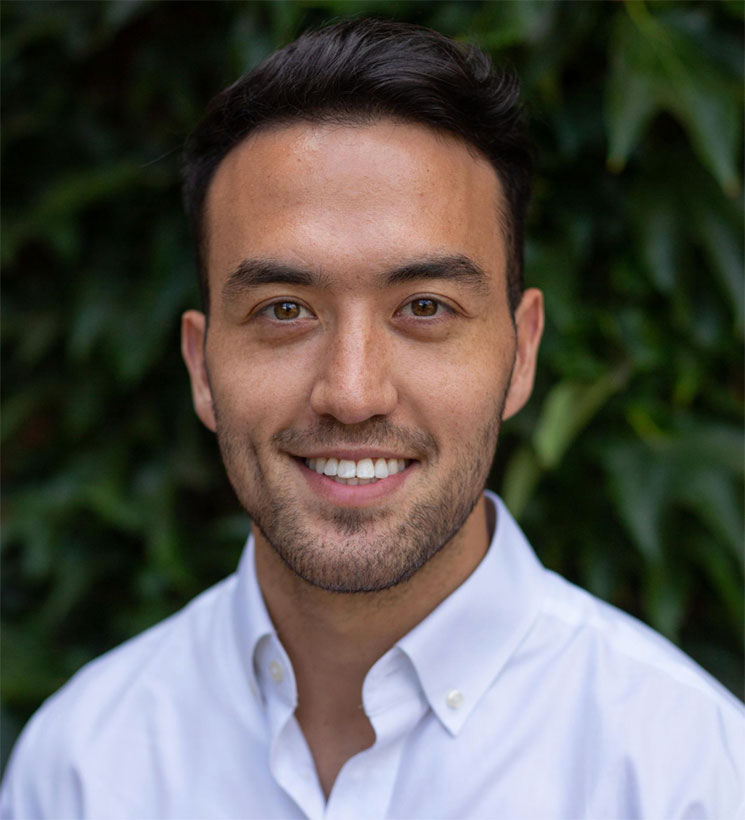
Sean
Founder, Succeed
Talk it through with Sean
“I can help you compare the programmes you're considering, think through the practicalities and work out what makes sense for you.”
20 minutes · No obligation to enrol
A practical overview of cost, accommodation, meals, dates and provider details to review before deciding.
Cost and what is included
$2,850; includes Course instruction and materials., Residential housing., Meals., Residential outings and activities..
Accommodation
Ingram Commons; double or triple rooms
Meals
All meals provided
Provider details
Review the Vanderbilt Summer Academy provider page and official sources before making a final decision.
Dates and logistics
1 week; Vanderbilt University, Nashville, Tennessee, United States.
What to check before committing
Confirm current dates, payment terms, travel arrangements, cancellation rules and what is included with the provider.
Compare this program with similar options before deciding on dates, cost, format and fit.
Compare with similar programsEffort level
High academic intensity.
Best started
Begin gathering documents several weeks before a future priority application window.
Main challenge
Connecting unfamiliar molecular processes with brain structures and disease.
Refresh basic cell biology and the relationship between genes and proteins.
Write down questions about brain development or Alzheimer's disease to guide your learning.
Choose the test-score or portfolio application route and allow educators time to complete recommendations if needed.
Plan travel, health forms, dietary information, and residential packing before your session.
Useful if
You want to explore whether developmental neuroscience holds your sustained interest.
You examine how brain cells and regions develop, then connect these processes with genetic changes and degeneration. Interactive lectures, group activities, and independent exploration help you relate molecular mechanisms to brain health.
Explore how cells differentiate and contribute to developing brain regions.
Identify key brain structures and their anatomical relationships.
Discuss mutations that can disrupt neurodevelopment.
Examine Alzheimer's disease and the challenges of treatment.
Investigate laboratory brain models and emerging research directions.
Next cycle not announced yet. These dates are from the latest verified cycle and should be used as a reference only.
Applications
Rolling admissions
The Secret Life of the Brain — Session 2
5-11 July 2026
One-week residential course for rising Grades 9–10.
The Secret Life of the Brain — Session 3
12-18 July 2026
One-week residential course for rising Grades 9–10.
Applications open
7 January 2026
Start of the 2026 VSA priority application window.
Admission notifications
29 January–16 February 2026
Notification window for priority applicants.
| Milestone | Date | Timezone | Status | |
|---|---|---|---|---|
Applications | Rolling admissions | Local | Reference date | |
The Secret Life of the Brain — Session 2 | 5-11 July 2026 | Local | Reference date | |
The Secret Life of the Brain — Session 3 | 12-18 July 2026 | Local | Reference date | |
Applications open | 7 January 2026 | Local | Reference date | |
Admission notifications | 29 January–16 February 2026 | Local | Reference date |
Applicants must be rising ninth- or tenth-grade students.
Submit qualifying academic documentation through either eligibility route.
Provide a transcript with test scores or portfolio materials.
International students may apply.
Demonstrate English proficiency when required, unless an exemption applies.
Maintain health insurance and complete required participation forms.
Application fee
$50 — Nonrefundable.
Funding or discounts
What's included
Course instruction and materials., Residential housing., Meals., Residential outings and activities.
Use the VSA admissions page to access the application process for a future offering.
Create or sign in to your SchoolDoc account.
Choose the session matching your rising grade and rank up to four courses you would accept.
Upload a transcript and the documentation for your test-score or portfolio route.
Request financial assistance within the application and complete its documentation if needed.
Pay the nonrefundable application fee and submit the complete application.
After placement, follow your admission notice for payment and required forms.
Next step with Succeed
or let us know if .
Succeed replies first, usually within a working day
The program covers the following focus areas.
Neural differentiation
Explore how cells differentiate to form distinct regions of the developing brain.
Brain anatomy
Identify key structures and examine how brain cell types and regions work together.
Genetics and development
Discuss how small genetic changes can have substantial effects on neurodevelopment.
Alzheimer's disease
Examine degeneration and why Alzheimer's disease remains difficult to treat.
Brain models and research
Explore laboratory models of the brain and emerging directions in neuroscience research.
Curriculum may be adjusted based on participant interests and current developments.
A typical day during the program.
Approximately six hours of classes combine interactive lectures, group activities, and independent exploration.
Organized activities are supervised by staff, with participation expected unless accommodations are approved.
Students remain in their residential hall after evening activities until traveling to breakfast.
James Costanzo is the listed instructor, a Vanderbilt doctoral candidate in Cell and Developmental Biology who researches metabolic regulation and neural differentiation. His experience includes tutoring secondary school students and mentoring young researchers.
Each VSA course has a dedicated instructor and teaching assistant.
Roommates are assigned randomly; most rooms are doubles, with some triples.
After completing this program, participants often pursue:
Build a foundation for further study of developmental neuroscience.
Strengthen understanding of brain anatomy and neural differentiation.
Connect genetic mutations with questions about brain health.
Receive written feedback and an instructor performance evaluation.
Recommendation letters are at the instructor's discretion and fall beyond the standard VSA experience.
The course takes place at Vanderbilt University in Nashville, with residential life centered on the Martha Rivers Ingram Commons and familiarity with Peabody Campus. Students flying alone use the program's required staffed shuttle service from Nashville International Airport.
VSA cannot provide airline Unaccompanied Minor escorts.
Compare these options if you want to explore neuroscience alongside psychology or medicine.
Combined psychology and neuroscience course
Best for
Students comparing brain science with psychology
Online course centered on psychology
Best for
Students considering psychology through online study
Online introduction to medicine
Best for
Students weighing neuroscience against medicine
Save this program in Succeed to compare it with similar programs, dates, costs and formats in one place.
Compare with other programsContent reviewed by
Co-founder, Succeed | Founder, Immerse Education (2012–2026)
Sean works at the intersection of academic enrichment, program quality and university preparation, with expertise in evaluating pre-university experiences for ambitious secondary school students.
Succeed uses official provider information where available, but keeps this public page focused on comparison and planning inside Succeed.
Course identity checked
Session dates reviewed
Eligibility routes reviewed
Fee applicability checked
Residential policies reviewed
Financial assistance reviewed
We use source material to verify core facts, then show older cycle dates as reference when a current cycle is not available. Always check current application instructions before applying.
The Secret Life of the Brain
by Vanderbilt Summer Academy
Get the full picture before you decide
Request your Program Guide. We'll email it within 24 hours.
No account needed to compare programmes.