
Applications
Rolling admissions

A residential pre-college institute exploring stem cells, tissue engineering, biomaterials, biomanufacturing, and clinical translation through labs and research activities.
See Succeed's assessment of the programme, who it may suit, the estimated total cost, what applying involves and what is still to confirm.
or let us know if .
What Succeed checks
We review public program details such as eligibility, age range, cost, duration, location, format, accommodation, meals and application timing.
What Last verified means
Last verified is the latest date Succeed checked the public details shown on this page. Program dates, prices and availability can still change.
How official sources are used
Succeed uses official provider information where available, then rewrites it into a student-facing summary for comparison and planning.
Why some dates are reference dates
If the current cycle is not available, Succeed may show the latest verified cycle dates so you can understand typical timing.
Succeed is independent from this provider unless a partnership is clearly stated.
Current status
Applications open
Eligibility
Grades 9-12; good academic standing
Age range / Year group
Ages 14-18
Location / Region
Winston-Salem, North Carolina, United States
Cost
$3,500
Duration
1 week
Format
In-person
Application deadline
Rolling · Next cycle not announced yet. These dates are from the latest verified cycle and should be used as a reference only.
Save programStudents explore how biology, engineering, and emerging technology can repair or regenerate tissues and organs.
The experience combines interactive labs, simulations, biomaterials challenges, WFIRM site visits, research problem-solving, and a student symposium.
It suits students seriously considering medicine, biomedical engineering, tissue engineering, or laboratory research and who want an intensive residential campus experience.
The Regenerative Medicine Institute is a Wake Forest Summer Immersion Program experience focused on the science and engineering behind repairing, replacing, and regenerating human tissues and organs. Students study stem cells, biomaterials, tissue engineering, biomanufacturing, disease applications, organ-on-a-chip systems, and emerging technologies.
The institute combines hands-on activities with direct engagement with researchers and graduate students from WFIRM and the NSF Regenerative Medicine Engine in North Carolina. Students rotate through labs, tackle design and research problems, visit research settings, discuss clinical translation, and present at a student research symposium.
The curriculum connects biological science with engineering, manufacturing, artificial intelligence, and clinical translation.
Students engage directly with WFIRM researchers and biomedical engineering graduate instructors working on current research problems.
Hands-on simulations, biomaterials challenges, laboratory rotations, and site visits provide more than lecture-based exposure.
A research symposium gives students a defined opportunity to synthesize and present what they have learned.
The residential structure combines intensive academic programming with supervised campus life.
Academically motivated high school students curious about medicine, biomedical engineering, stem cells, tissue engineering, or research careers and comfortable with a full residential schedule.
You need academic credit, prefer a non-residential option, or want a broad clinical medicine course rather than a specialized research and engineering focus.
For a student already interested in biomedical research, this is a substantive subject-testing experience. Its strongest features are the specialist curriculum, laboratory activities, contact with active researchers, and clear connection between scientific discovery and medical application.
The limitation is that one week cannot provide deep independent research training, and the program carries no school or college credit. The fee is also significant, so families should judge the value against the student's level of interest and consider need-based funding where eligible.
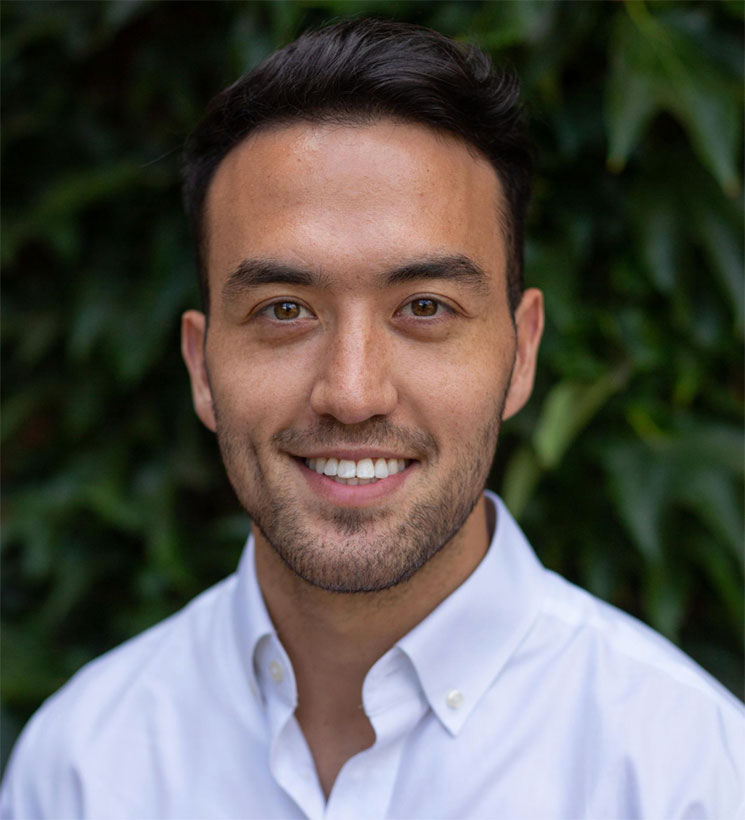
Sean
Founder, Succeed
Talk it through with Sean
“I can help you compare the programmes you're considering, think through the practicalities and work out what makes sense for you.”
20 minutes · No obligation to enrol
A practical overview of cost, accommodation, meals, dates and provider details to review before deciding.
Cost and what is included
$3,500; includes Hands-on academic instruction and laboratory activities, Required on-campus residence hall stay, All meals during the on-campus stay, Transport for off-site field trips, Evening activities and supervised campus programming, Official Certificate of Completion.
Accommodation
Required campus residence hall
Meals
All meals provided
Provider details
Review the Wake Forest University provider page and official sources before making a final decision.
Dates and logistics
1 week; Winston-Salem, North Carolina, United States.
What to check before committing
Confirm current dates, payment terms, travel arrangements, cancellation rules and what is included with the provider.
Compare this program with similar options before deciding on dates, cost, format and fit.
Compare with similar programsEffort level
Moderate application; intensive residential week.
Best started
Begin four to six weeks before your intended submission, ideally preparing in October for the 1 November opening.
Main challenge
Explaining a genuine interest in a specialized scientific field through concise essays.
Review stem cells, biomaterials, and tissue engineering at an introductory level.
Ask a teacher, counselor, or administrator for a recommendation well before submitting.
Draft the two essays early and use concrete examples of academic curiosity.
Plan residential travel, medical forms, and dietary or accommodation requests after acceptance.
Useful if
You can connect biology or engineering interests to specific program topics.
The institute moves from core regenerative medicine concepts into practical laboratory, design, translation, and presentation activities. A representative day combines seminars, hands-on work, guest speakers, team discussion, reflection, and residential activities.
Build foundations in regenerative medicine, stem cells, and cellular decision-making.
Complete stem cell and tissue engineering simulations.
Design and test biomaterial concepts through practical challenges.
Rotate through enabling-technology activities and visit WFIRM research settings.
Investigate disease applications, biomanufacturing, space research, and artificial intelligence.
Work through research design, problem-solving, and case-study activities.
Synthesize learning for a student research symposium and presentation.
Next cycle not announced yet. These dates are from the latest verified cycle and should be used as a reference only.
Applications
Rolling admissions
Programme dates
5-10 July 2026
Applications open
1 November 2026
Summer 2027 applications open on this date.
| Milestone | Date | Timezone | Status | |
|---|---|---|---|---|
Applications | Rolling admissions | Local | Reference date | |
Programme dates | 5-10 July 2026 | Local | Reference date | |
Applications open | 1 November 2026 | Local | Reference date |
Current Grade 9-12 student
Good academic standing
No school suspensions or serious disciplinary record
English fluency for full participation
Home-schooled students may apply
International students may apply
Program tuition
$3,500 — Published tuition for the institute.
Funding or discounts
What's included
Hands-on academic instruction and laboratory activities, Required on-campus residence hall stay, All meals during the on-campus stay, Transport for off-site field trips, Evening activities and supervised campus programming, Official Certificate of Completion
Create an account in the Wake Forest Pre-College application portal.
Complete the online application with two responses to the published essay prompts.
Report your GPA; a transcript and test scores are not required.
Provide a teacher, counselor, or administrator who can submit the recommendation.
Pay the $60 nonrefundable application fee when submitting.
Complete the scholarship section and upload prior-year W-2 information if seeking need-based funding.
After acceptance, select an available institute week or waitlist option and submit the $550 deposit.
Next step with Succeed
or let us know if .
Succeed replies first, usually within a working day
The program covers the following focus areas.
Regenerative medicine fundamentals
Understand how biology, engineering, and innovation combine to repair or regenerate tissues and organs.
Stem cells and progenitor cells
Explore cellular behavior and how stem-cell approaches may support tissue repair.
Biomaterials and tissue engineering
Investigate material design, testing, and engineered approaches to building functional tissues.
Biomanufacturing and enabling technologies
Examine laboratory technologies, organ-on-a-chip systems, and methods that enable regenerative research.
Translation and emerging frontiers
Connect research to disease applications, space medicine, artificial intelligence, and clinical impact.
Curriculum may be adjusted based on participant interests and current developments.
A typical day during the program.
Check-in and breakfast lead into regenerative medicine foundations, a stem-cell lab, and a biomaterials design challenge.
Students have lunch with researchers and graduate students before a guest talk on medical translation.
Lab rotations are followed by team synthesis, a case discussion, reflection, and a preview of the next day.
Dinner, supervised evening activities, free time, and the residential bedtime routine complete the day.
Dr. Karri Adams, Leader of Learning Technology and Global Education at WFIRM, is the institute's academic leader. Graduate instructors are biomedical engineering, molecular medicine, and translational science researchers working on topics including bioprinting, organoids, stem-cell therapies, cancer models, diabetes, and heart, kidney, lung, eye, and skin research.
Students also engage directly with WFIRM researchers and graduate students during labs, lunch, talks, rotations, and site visits.
Roommates are assigned randomly unless an eligible request is granted; roommate requests are not guaranteed.
After completing this program, participants often pursue:
Receive an official Wake Forest University Certificate of Completion.
Present learning through a student research symposium.
Explore careers in regenerative medicine and biomedical science.
Clarify interest in biology, medicine, or biomedical engineering.
Build examples for later reflection in college applications.
The institute awards no secondary school or college credit and provides no preferential treatment in Wake Forest admissions.
The institute takes place at Wake Forest University's Reynolda Campus in Winston-Salem, North Carolina. Students live in campus residence halls, use university dining facilities, attend academic programming across campus, and may take provider-arranged transport to off-site field trips or research visits.
Optional paid airport shuttles may be available from Piedmont Triad International Airport and Charlotte Douglas International Airport; Raleigh-Durham service is not offered.
Compare these related medicine and biomedical science programs by research depth, clinical emphasis, location, duration, and total cost.
Intensive medical research experience in Boston
Best for
Students prioritizing medical research over broad clinical exposure.
Broader medicine and health care exploration
Best for
Students wanting broad medicine and health care exposure.
Medicine, ethics, neuroscience, and technology
Best for
Older students seeking a broad pre-university medicine experience.
Advanced medical and biological sciences study
Best for
Students seeking combined biological and medical study.
Save this program in Succeed to compare it with similar programs, dates, costs and formats in one place.
Compare with other programsContent reviewed by
Co-founder, Succeed | Founder, Immerse Education (2012–2026)
Sean works at the intersection of academic enrichment, program quality and university preparation, with expertise in evaluating pre-university experiences for ambitious secondary school students.
Succeed uses official provider information where available, but keeps this public page focused on comparison and planning inside Succeed.
Program details checked
Eligibility reviewed
Application process verified
Opening date checked
Tuition and fees reviewed
Accommodation and meals checked
Scholarship rules reviewed
Schedule and faculty reviewed
We use source material to verify core facts, then show older cycle dates as reference when a current cycle is not available. Always check current application instructions before applying.
Regenerative Medicine Institute
by Wake Forest University
Get the full picture before you decide
Succeed's assessment, estimated total cost and what applying involves.
No account needed for the Guide or Compare.