Online, ages 14 to 18, from $3,100, includes artificial intelligence.
Deadline: Not announced yet · From $3,100 · 14-18 · Online · Online
The Research Fellowship is a 10-week online program from YRI Fellowship in which a student works one-on-one with a PhD mentor on an original research paper in a field they choose, from AI and machine learning to biology, physics, economics or the humanities. The first six weeks go on finding a question and doing the research, weeks 7 to 9 on writing with YRI's editing team, and in week 10 the paper is submitted to a venue such as IEEE or Springer. After that, a competition coach helps the student take the same work to science fairs.
 Sean Stevens · Sources
Why it's worth it
Everything is aimed at one finished, first-author paper, with a PhD mentor every week and YRI's own team editing the drafts and handling submission.
What it asks of you
The weekly hours are modest, so the bigger ask is owning the work. You'll take the paper to science fair judges and possibly admissions interviews, and you'll need to explain every step yourself.
Who should skip it
Students who want being chosen to count for something on its own. YRI publishes no acceptance rate and decides within 48 hours on a short form with no essays, so the paper has to carry all the weight.
Check the fine print
By enrolling, you give YRI the right to use your name, likeness and work in its promotional and educational material unless you tell it otherwise in writing.
You work online with your own PhD mentor, one-on-one, and YRI offers unlimited sessions every week. They're scheduled around school, and your parents get a summary after each weekly session. YRI expects about 5 to 8 hours a week from you in total.
The 10 weeks follow a fixed plan, and you don't need an idea before you start, because the first two weeks go on finding the right question with your mentor.
Weeks 1 to 6
You're matched with your mentor in week 1, then choose a question and carry out the research with their help at each step.
Weeks 7 to 9
YRI's writing team edits every draft with you until the paper is ready.
Week 10
YRI's publishing team submits the paper, and you present your work on camera.
After week 10
A competition coach prepares you for science fairs and rehearses judges' questions, and your mentor keeps helping if the venue asks for changes.
Your mentor is a PhD researcher matched to your field from what YRI describes as a network of more than 1,000, and YRI says it pairs each student with someone who has published on their exact topic. You meet them one-on-one, so there's no class to share attention with.
Behind the mentor sit research writers, who edit each paper to the standard a peer reviewer expects, and submission specialists, who pick the venue, handle the journal or conference process and prepare competition entries. The founder, Ishan Jain, was a finalist at Regeneron ISEF (the International Science and Engineering Fair), has published in JAMA Cardiology and is the author of ten peer-reviewed papers.
The Fellowship is aimed at high school students, although YRI also says it's open to curious students from middle school up, in any field. Its terms set a minimum age of 13 and require a parent or guardian's consent for anyone under 18. You don't need research experience, a research idea, or a perfect GPA or test scores.
The application is a short online form with no essays, which YRI says takes about 10 minutes. It asks for your personal details, research interests and goals, while grades and achievements are optional. YRI says it looks at interest, motivation, readiness to work independently and fit, and every applicant hears back within 48 hours. It doesn't publish an acceptance rate or cohort size and describes itself only as selective but accessible.
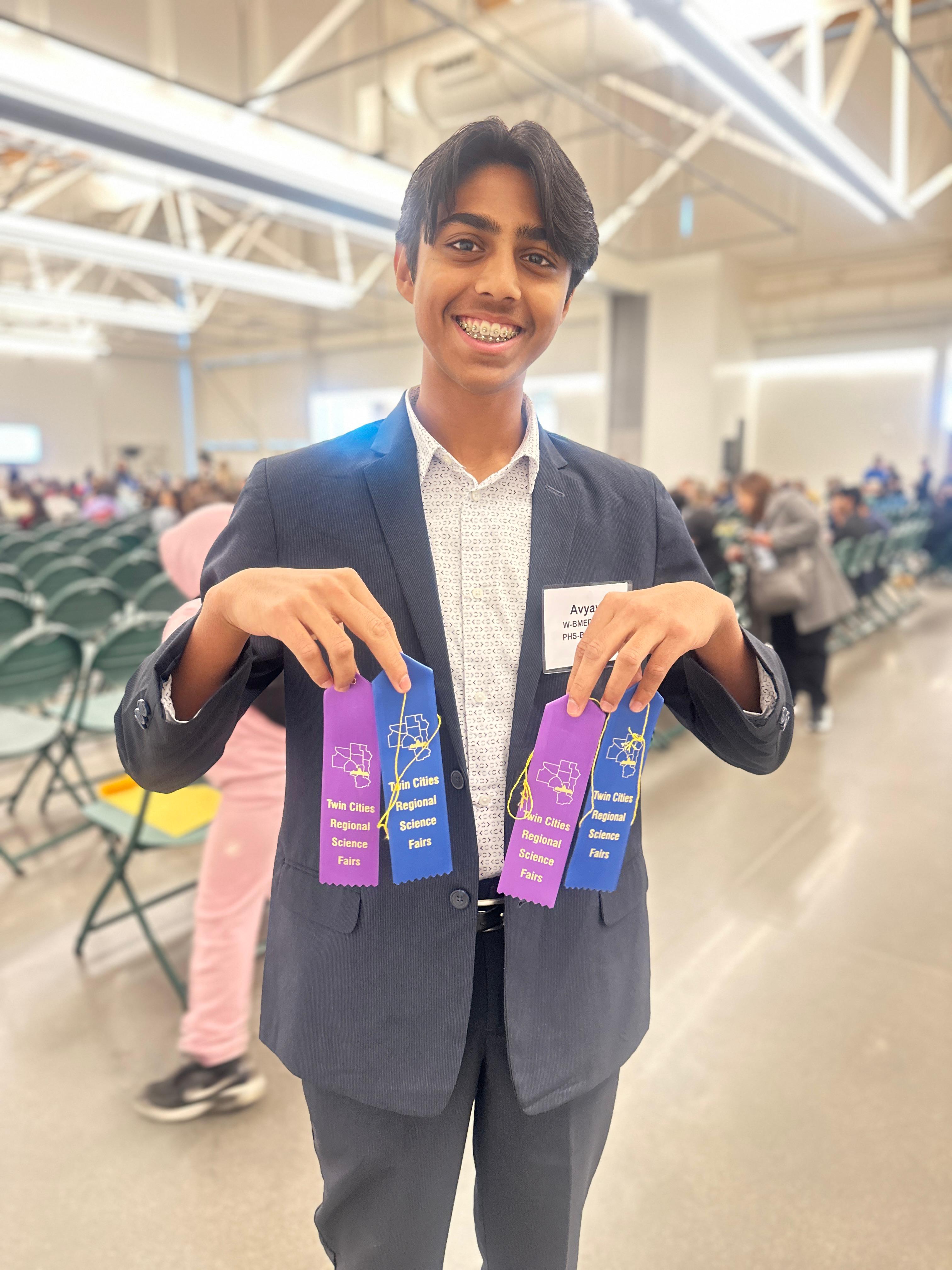
The goal is a first-author paper, along with a recommendation letter from your PhD mentor and coaching to take the same research to science fairs such as Regeneron ISEF and JSHS (the Junior Science and Humanities Symposium). Publication isn't guaranteed. YRI's own figures say 87% of Fellows get published and 73% place at science competitions.
Most papers on YRI's list of student work are IEEE conference papers, with a few at Springer and Elsevier venues, so a conference paper is a likelier outcome than a journal article. YRI lists Fellows admitted to Brown, Johns Hopkins, Stanford, Caltech and Harvard, but those are the organizer's examples, not statements from the universities about what counted.
The Fellowship costs $2,997, paid in full or as three payments of $999, and you pay only after you're accepted. That covers unlimited one-on-one sessions with your mentor, editing of every draft, submission to a venue, the recommendation letter and free help until the paper is published. YRI doesn't say who pays if a paper is accepted at a conference abroad or a fair invites you to present in person, so ask before you commit.
Every payment is final. YRI's terms rule out refunds under any circumstances, including scheduling conflicts or dissatisfaction with the program. On the payment plan, each installment is non-refundable once it's processed, and YRI can suspend your access if you miss one.
YRI considers scholarships case by case. Its free Global Research Proposal Competition also gives first place a full Fellowship scholarship valued at $2,997, and second and third place half the tuition each. These awards cover tuition only and have no cash value.

Sean
Talk it through with Sean
“I can help you compare the programs you're considering, think through the practicalities and work out what makes sense for you.”
Online, ages 14 to 18, from $3,100, includes artificial intelligence.
Deadline: Not announced yet · From $3,100 · 14-18 · Online · Online
In person in Cambridge, ages 15 to 18, from $7,850.
Deadline: Not announced yet · From $7,850 · 15-18 · Cambridge · In-person
Save this program in Succeed to compare it with similar programs, dates, costs and formats in one place.
Compare with other programsOfficial page
yriscience.com
yriscience.com
yriscience.com
yriscience.com
yriscience.com
yriscience.com
Facts checked against the official page on 10 Nov 2026
Editor: Sean Stevens
Succeed has no commercial relationship with YRI Fellowship.
Spot an error? Report it