
Application deadline
15 May 2026
General Brown Pre-College application deadline.

Brown’s public health course examines how structural racism shapes health inequities through scholarly reading, discussion, reflective writing, and a community-focused capstone.
Request your Program Guide. We'll email it within 24 hours.
or let us know if .
What Succeed checks
We review public program details such as eligibility, age range, cost, duration, location, format, accommodation, meals and application timing.
What Last verified means
Last verified is the latest date Succeed checked the public details shown on this page. Program dates, prices and availability can still change.
How official sources are used
Succeed uses official provider information where available, then rewrites it into a student-facing summary for comparison and planning.
Why some dates are reference dates
If the current cycle is not available, Succeed may show the latest verified cycle dates so you can understand typical timing.
Succeed is independent from this provider unless a partnership is clearly stated.
Current status
Upcoming
Eligibility
Students completing grades 9–12
Age range / Year group
Ages 14-18
Location / Region
Brown University, Providence, Rhode Island, United States
Cost
$8,372; $6,416
Duration
3 weeks
Format
In-person
This Brown University course uses public health to examine how structural racism affects individual and community health. It connects the historical construction of race with contemporary health inequities.
Students read scholarly material, discuss difficult social questions, write reflections, and develop a community-focused capstone. It suits students interested in health equity, sociology, or policy.
Black Lives Matter Less: How Structural Racism Affects Health is a Brown University Pre-College course examining health inequities in the United States. Its public health approach connects racial hierarchy, privilege, and social structures with individual and community health.
Students learn through on-campus discussions, scholarly reading, interactive activities, and reflective writing. A capstone asks them to develop and present community-focused strategies addressing structural racism and its health effects.
The course connects public health with sociology and policy through a clearly defined health-equity focus.
Scholarly reading and facilitated discussion give students practice analyzing complex social systems.
The capstone turns academic analysis into a community-focused project and presentation.
Reflective writing asks students to consider how privilege influences their own health and social position.
Students curious about public health, sociology, or policy who want to understand health inequities through reading, discussion, and project work.
You want clinical training, college credit, or a light academic workload, or would find explicit discussions of systemic racism difficult to engage with.
The strongest reason to choose this course is its focused combination of health-equity analysis and a community-facing capstone. Students willing to engage with scholarly reading and difficult discussions can use it to test their interest in public health, sociology, or policy.
The value depends on how closely that focus matches your interests and family budget. It is non-credit, and Brown makes no promise of an undergraduate admissions advantage; the academic work and your reflection on it should justify the investment.
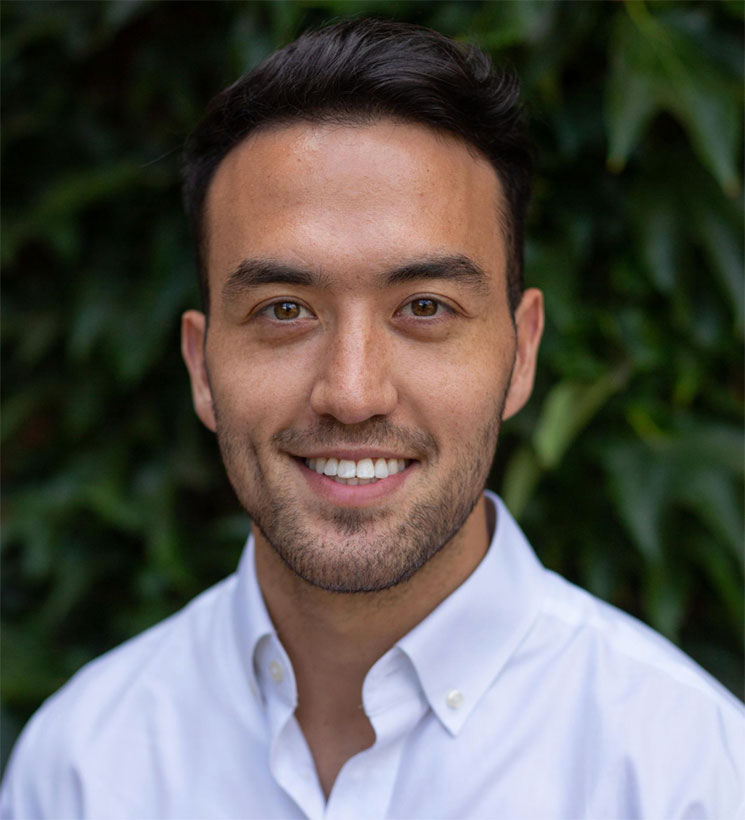
Sean
Founder, Succeed
Talk it through with Sean
“I can help you compare the programmes you're considering, think through the practicalities and work out what makes sense for you.”
20 minutes · No obligation to enrol
A practical overview of cost, accommodation, meals, dates and provider details to review before deciding.
Cost and what is included
$8,372; $6,416; includes One three-week on-campus course., Residential housing and three dining-hall meals daily., One on-campus meal daily for commuters., Fitness, athletic, and aquatics center access., Program activities and excursions., Digital CeCertificate after successful completion., Instructor Course Performance Report..
Accommodation
Single, double, or triple residence-hall rooms
Meals
Residential: three daily; commuter: one daily
Supervision or safety information
Residence halls have trained student life staff, nightly check-ins, and staff support on call 24/7. Students also have substantial independence, including permitted unsupervised travel within Rhode Island subject to program rules.
Provider details
Review the Brown Pre-College Programs provider page and official sources before making a final decision.
Dates and logistics
3 weeks; Brown University, Providence, Rhode Island, United States.
What to check before committing
Confirm current dates, payment terms, travel arrangements, cancellation rules and what is included with the provider.
Compare this program with similar options before deciding on dates, cost, format and fit.
Compare with similar programsEffort level
High academic engagement.
Best started
Allow 4–6 weeks before a future application deadline for the essay, records, optional recommendation, and any language testing.
Main challenge
Connecting complex social structures to health outcomes while discussing sensitive material respectfully.
Practice summarizing a scholarly article’s argument, supporting evidence, and limitations.
Draft an application essay that explains your curiosity in your own words.
Gather both academic years’ grades and arrange any required English proficiency results.
Plan travel and medical forms early; request accessibility support at least three weeks before arrival.
Useful if
You want to test an interest in public health, sociology, or policy.
You examine how structural racism affects health through scholarly reading, facilitated discussion, interactive activities, and reflective writing. The work culminates in a community-focused capstone and presentation.
Explore the historical and contemporary construction of race in the United States.
Analyze pathways linking structural racism to health inequities, including during COVID-19.
Reflect on privilege and its influence on health and social position.
Discuss possible strategies for addressing structural racism in health outcomes.
Develop and present a community-focused project.
Next cycle not announced yet. These dates are from the latest verified cycle and should be used as a reference only.
Application deadline
15 May 2026
General Brown Pre-College application deadline.
Programme dates
6-24 July 2026
Applications open
14 January 2026
2026 Brown Pre-College application cycle.
Final admission decisions
22 May 2026
Residential check-in
5 July 2026
9 a.m.–1 p.m. Eastern Time; required student orientation follows.
| Milestone | Date | Timezone | Status | |
|---|---|---|---|---|
Application deadline | 15 May 2026 | Local | Reference date | |
Programme dates | 6-24 July 2026 | Local | Reference date | |
Applications open | 14 January 2026 | Local | Reference date | |
Final admission decisions | 22 May 2026 | Local | Reference date | |
Residential check-in | 5 July 2026 | Local | Reference date |
Complete grades 9–12; ages 14–18 by 14 June 2026.
No prior coursework or experience is required.
Be prepared for college-level reading and scholarly journal articles.
Engage maturely and respectfully with explicit depictions of systemic racism.
Demonstrate strong English language proficiency.
Gain Brown Pre-College admission and complete separate course enrollment.
Residential program fee
$8,372 — 2026 three-week total with housing and meals.
Funding or discounts
What's included
One three-week on-campus course., Residential housing and three dining-hall meals daily., One on-campus meal daily for commuters., Fitness, athletic, and aquatics center access., Program activities and excursions., Digital CeCertificate after successful completion., Instructor Course Performance Report.
Create one applicant account in Brown’s Student Portal.
Complete the application form and write an original 250–500-word essay.
Upload current and previous academic-year grades in English.
Provide any required language results and optional recommendation through Brown’s form.
Pay the $80 application fee or obtain an eligible fee waiver.
Monitor your portal for missing materials and the admission decision.
After admission, review the desired course before paying the $500 deposit.
Enroll separately in the course and complete required student and parent forms.
Next step with Succeed
or let us know if .
Succeed replies first, usually within a working day
The program covers the following focus areas.
Race and racial hierarchy
Examine the historical and contemporary construction of race in the United States.
Structural racism and health
Analyze pathways connecting social structures and systemic racism to health inequities.
Public health crises
Explore racial inequities during crises, including the COVID-19 pandemic.
Privilege and reflection
Assess how privilege influences your health and social position through reflective writing.
Community-focused capstone
Develop and present strategies addressing structural racism and its health effects.
Curriculum may be adjusted based on participant interests and current developments.
A typical day during the program.
Monday–Friday, 8:30–11:20 a.m. Eastern Time.
Expect at least 2–3 hours daily, scheduled independently.
Choose optional workshops, events, activities, and excursions around coursework.
Check in face to face at 10 p.m. and remain on your floor until 6 a.m.
Kathryn Thompson is the named instructor for this course section. Students can use instructor office hours to discuss course content and assignments, alongside Brown’s writing and language support services.
Roommate requests are not honored; students should bring their own linens.
After completing this program, participants often pursue:
Build foundations for further public health, sociology, and policy study.
Complete a community-focused capstone and presentation.
Earn a digital CeCertificate after successful completion.
Receive an instructor Course Performance Report.
Develop experience with college-level reading, discussion, and independent study.
The course is non-credit, and participation carries no promised Brown undergraduate admissions advantage.
The course takes place at Brown University in Providence, Rhode Island. Residential check-in is at Sayles Hall on the Main Green, and families coordinate their own transportation to and from campus.
Students may explore Rhode Island independently within attendance and curfew rules; residential support does not mean continuous supervision.
Compare these options if your interests extend toward social sciences, medical study, or online medicine research.
A broader social and political sciences course.
Best for
Students more interested in social structures and politics.
Medical and biological sciences summer study.
Best for
Students seeking a more biomedical subject direction.
Online research focused on medicine.
Best for
Students comparing remote medicine research with campus study.
Save this program in Succeed to compare it with similar programs, dates, costs and formats in one place.
Compare with other programsContent reviewed by
Co-founder, Succeed | Former secondary teacher and educational leader
Ben works at the intersection of education, technology and school adoption, with expertise in how secondary schools evaluate data-driven tools and how education technology is used in practice.
Succeed uses official provider information where available, but keeps this public page focused on comparison and planning inside Succeed.
Course identity checked
Eligibility requirements reviewed
Course schedule checked
Residential and commuter fees matched
Application requirements reviewed
Scholarship restrictions reviewed
Completion credentials checked
We use source material to verify core facts, then show older cycle dates as reference when a current cycle is not available. Always check current application instructions before applying.
Black Lives Matter Less: How Structural Racism Affects Health
by Brown Pre-College Programs
May qualify for the £300 Succeed Programme Award.
Get the full picture before you decide
Request your Program Guide. We'll email it within 24 hours.
No account needed to compare programmes.