
Applications open
14 January 2026
General Brown Pre-College application cycle.

A chemistry course connecting laboratory work with digital tools and machine learning to explore how potential medicines are identified.
See Succeed's assessment of the programme, who it may suit, the estimated total cost, what applying involves and what is still to confirm.
or let us know if .
What Succeed checks
We review public program details such as eligibility, age range, cost, duration, location, format, accommodation, meals and application timing.
What Last verified means
Last verified is the latest date Succeed checked the public details shown on this page. Program dates, prices and availability can still change.
How official sources are used
Succeed uses official provider information where available, then rewrites it into a student-facing summary for comparison and planning.
Why some dates are reference dates
If the current cycle is not available, Succeed may show the latest verified cycle dates so you can understand typical timing.
Succeed is independent from this provider unless a partnership is clearly stated.
Current status
Upcoming
Eligibility
High school students; course requirements apply
Age range / Year group
Ages 14-18
Location / Region
Providence, Rhode Island, United States
Cost
$5,786; $4,482
Duration
Not announced
Format
In-person
Brown's chemistry course connects laboratory techniques with computational approaches to drug discovery.
Activities include plant-pigment chromatography and compound analysis, with planned aspirin synthesis and machine-learning prediction of drug candidates.
It suits students who want to explore how chemistry and computing work together in the search for potential medicines.
Chemistry in Drug Discovery: From Lab to Laptop is a Brown University Pre-College course exploring the connection between laboratory chemistry and computational drug discovery. Hands-on labs and group activities introduce students to ways of investigating chemical compounds and their potential effects on the human body.
Students use Thin Layer Chromatography to separate plant pigments and explore ADMETlab, ProTox 3.0 and PubChem. Planned activities extend this work to aspirin synthesis and a machine-learning model for identifying promising drug candidates.
The combination of physical experiments and computational analysis shows two complementary approaches to drug discovery.
Named tools such as ADMETlab, ProTox 3.0 and PubChem give the course a concrete focus beyond general chemistry exploration.
The planned aspirin synthesis and predictive model connect chemical knowledge to recognizable pharmaceutical questions.
Group activities offer practice discussing scientific ideas while investigating compounds.
Students interested in chemistry, medicines and computational analysis who want to explore both laboratory and digital approaches.
Your main priority is earning college credit or practicing clinical medicine, since this course centers on chemistry and drug discovery.
The course is a promising choice if you want to test your interest in chemistry through both experiments and computational work. Comparing laboratory observations with predictions about compounds could help you identify which parts of drug discovery you most enjoy.
Judge its value by the learning experience and your ability to explain what you learned. Brown Pre-College is non-credit and is not an undergraduate admissions prospecting program, so participation should not be treated as a route to admission to Brown.
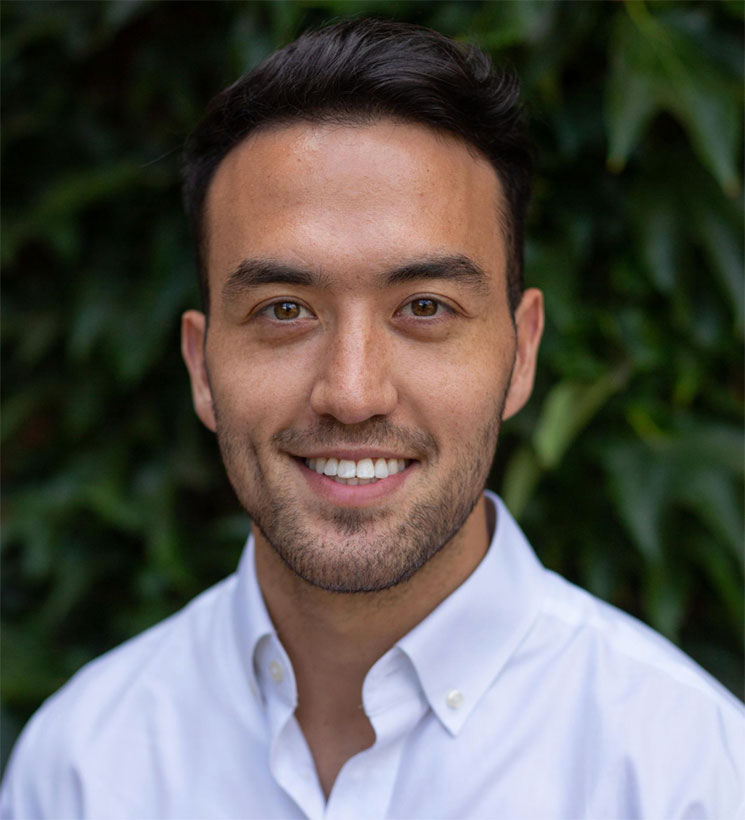
Sean
Founder, Succeed
Talk it through with Sean
“I can help you compare the programmes you're considering, think through the practicalities and work out what makes sense for you.”
20 minutes · No obligation to enrol
A practical overview of cost, accommodation, meals, dates and provider details to review before deciding.
Cost and what is included
$5,786; $4,482.
Provider details
Review the Brown Pre-College Programs provider page and official sources before making a final decision.
Dates and logistics
Not announced; Providence, Rhode Island, United States.
What to check before committing
Confirm current dates, payment terms, travel arrangements, cancellation rules and what is included with the provider.
Compare this program with similar options before deciding on dates, cost, format and fit.
Compare with similar programsEffort level
Moderate to high.
Best started
Allow several weeks before the next application deadline to prepare your essay, records and any required English test.
Main challenge
Connecting experimental observations with predictions about chemical compounds.
Review chromatography and basic chemical properties as preparation, rather than treating them as confirmed prerequisites.
Draft your application essay around a specific scientific question that interests you.
Gather current and previous academic-year grades and allow time for applicable English proficiency testing.
Plan for daily academic attendance and Brown's general guidance of 1-3 hours of homework or project work per class each day.
Useful if
You want to explore a possible chemistry or pharmaceutical research pathway.
You combine hands-on labs and group activities with digital investigation of chemical compounds. The activities move from separation and analysis toward planned synthesis and predictive modeling.
Separate plant pigments using Thin Layer Chromatography.
Investigate compounds with ADMETlab, ProTox 3.0 and PubChem.
Explore predictions of compounds' potential benefits and harms.
Work toward the planned synthesis of aspirin.
Use Machine Learning in a planned predictive model for identifying ideal drug candidates.
Next cycle not announced yet. These dates are from the latest verified cycle and should be used as a reference only.
Applications open
14 January 2026
General Brown Pre-College application cycle.
Admission decisions begin
19 January 2026
Decisions issued as completed applications were reviewed.
Application deadline
15 May 2026
General Pre-College deadline, extended from 8 May.
Final admission decisions
22 May 2026
Final decisions for the general application cycle.
| Milestone | Date | Timezone | Status | |
|---|---|---|---|---|
Applications open | 14 January 2026 | Local | Reference date | |
Admission decisions begin | 19 January 2026 | Local | Reference date | |
Application deadline | 15 May 2026 | Local | Reference date | |
Final admission decisions | 22 May 2026 | Local | Reference date |
High school students must meet course-specific age and grade requirements.
Any prerequisites in the course description must be satisfied.
Strong English language proficiency is required.
Applicable international applicants must submit TOEFL iBT or Duolingo results.
Admission to Brown Pre-College precedes separate course enrollment.
Application fee
$80 — Paid with the application unless a waiver is approved.
Funding or discounts
Create one applicant account in Brown's Student Portal.
Complete the Pre-College application form and write the required 250-500-word essay.
Submit current and previous academic-year grades, applicable English proficiency results, and the application fee or waiver request.
Submit Brown's recommendation form if you choose to provide a recommendation or are asked for one.
Monitor your portal and email for additional requests and the admission decision.
After admission, review the course requirements, submit the required deposit and enroll separately in your selected course.
Next step with Succeed
or let us know if .
Succeed replies first, usually within a working day
The program covers the following focus areas.
Chromatography
Separate plant pigments using Thin Layer Chromatography.
Computational compound analysis
Use ADMETlab, ProTox 3.0 and PubChem to investigate compounds and their potential effects.
Aspirin synthesis
Planned synthesis work connects laboratory chemistry with a familiar medicine.
Machine-learning prediction
Planned modeling work uses Machine Learning to predict ideal drug candidates.
Curriculum may be adjusted based on participant interests and current developments.
A typical day during the program.
Attendance at all academic classes is required.
General guidance allows 1-3 hours per class daily, depending on the program.
Students living on campus attend required residence hall meetings and nightly check-ins.
These arrangements apply to Brown's on-campus residential students.
After completing this program, participants often pursue:
Receive a digital Certificate of Completion after successful completion.
Explore whether a chemistry-focused study or career pathway interests you.
Build practical experience with chromatography and computational compound analysis.
Connect chemistry interests with planned machine-learning work on drug candidates.
The course is non-credit, and Pre-College participation is not an undergraduate admissions prospecting program.
Brown University is in Providence, Rhode Island. Its campus provides the setting for on-campus Pre-College classes, student activities and residential life.
Compare these options if you want to explore biochemistry, medicine or research through an online program.
Online biochemistry course
Best for
Students comparing chemistry with biological science
Online introduction to medicine
Best for
Students considering medicine alongside chemistry
Online medicine research program
Best for
Students prioritizing medicine-related research
Save this program in Succeed to compare it with similar programs, dates, costs and formats in one place.
Compare with other programsContent reviewed by
Co-founder, Succeed | Founder, Immerse Education (2012–2026)
Sean works at the intersection of academic enrichment, program quality and university preparation, with expertise in evaluating pre-university experiences for ambitious secondary school students.
Succeed uses official provider information where available, but keeps this public page focused on comparison and planning inside Succeed.
Course activities reviewed
Admissions dates checked
Application requirements checked
Financial policies reviewed
Completion criteria reviewed
We use source material to verify core facts, then show older cycle dates as reference when a current cycle is not available. Always check current application instructions before applying.
Chemistry in Drug Discovery: From Lab to Laptop
by Brown Pre-College Programs
May qualify for the £300 Succeed Programme Award.
Get the full picture before you decide
Succeed's assessment, estimated total cost and what applying involves.
No account needed for the Guide or Compare.