
Application deadline
15 May 2026
General Brown Pre-College deadline on the dedicated application page.

A leadership summer program focused on conflict resolution through mediation, negotiation and role-play, culminating in an Action Plan for community change.
Request your Program Guide. We'll email it within 24 hours.
or let us know if .
What Succeed checks
We review public program details such as eligibility, age range, cost, duration, location, format, accommodation, meals and application timing.
What Last verified means
Last verified is the latest date Succeed checked the public details shown on this page. Program dates, prices and availability can still change.
How official sources are used
Succeed uses official provider information where available, then rewrites it into a student-facing summary for comparison and planning.
Why some dates are reference dates
If the current cycle is not available, Succeed may show the latest verified cycle dates so you can understand typical timing.
Succeed is independent from this provider unless a partnership is clearly stated.
Current status
Upcoming
Eligibility
Completing grades 9-12
Age range / Year group
Ages 14-18
Location / Region
Brown University, Providence, Rhode Island, United States
Cost
$6,052; $4,748
Duration
2 weeks
Format
In-person
Brown's course combines the study of conflict with practical leadership exercises, including negotiation, mediation and collaborative problem-solving.
You analyze competing perspectives, take part in role-plays and group presentations, and develop an Action Plan addressing an issue in your home community.
It suits students who want to practice handling disagreement and turn an interest in social change into a concrete plan.
Conflict Transformation: Leadership in a Divided World is a Brown University pre-college course about understanding conflict and responding constructively. It examines disputes over values, resources and psychological needs while exploring leadership, social justice, identity, power and privilege.
The on-campus experience combines case studies with mediation, negotiation, role-plays and collaborative presentations. Students develop a community-focused Action Plan, connecting classroom practice with an issue they want to address at home.
Role-plays and simulations give students opportunities to practice conflict management beyond discussing it in theory.
The course asks students to understand competing perspectives, which makes listening and empathy central to its leadership model.
The Action Plan provides a concrete bridge between academic study and community involvement.
Instructor and Teaching Associate guidance helps students set realistic goals and anticipate obstacles to their plans.
Students interested in community change, club leadership or mediation who want to practice discussing disagreement with people holding different perspectives.
You prefer solitary study, feel unwilling to participate in role-plays, or need a course that provides college credit.
The strongest reason to choose this course is the chance to practice managing conflict and build a plan you can use in your community. Students already involved in clubs or local initiatives may find a clear connection between the exercises and situations they encounter.
The intensive workload and substantial fee make personal interest essential to the decision. The course is noncredit, and Brown states that Pre-College is not a prospecting program for undergraduate admission, so its value should rest on the learning and experience.
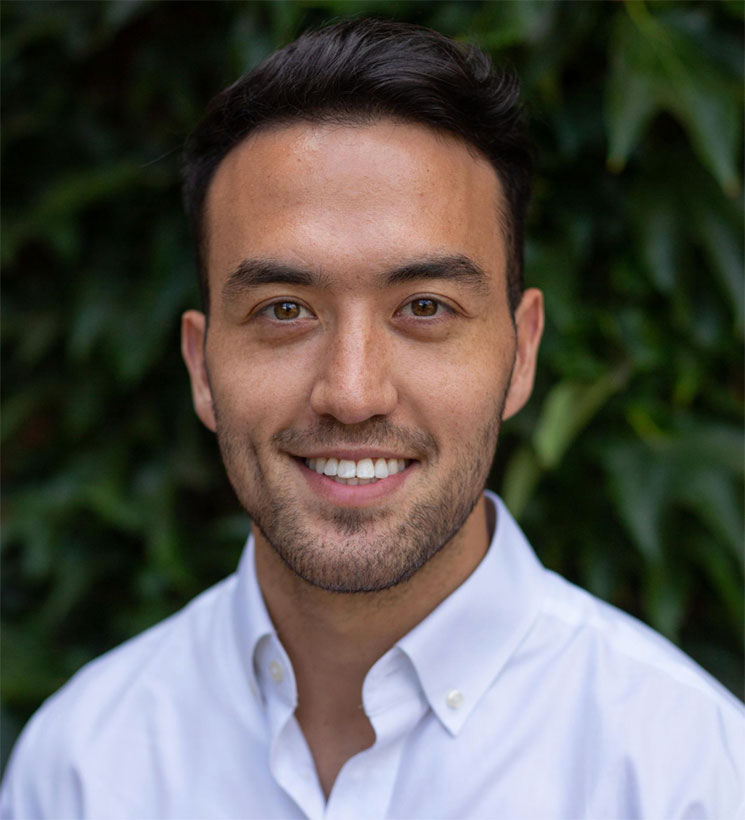
Sean
Founder, Succeed
Talk it through with Sean
“I can help you compare the programmes you're considering, think through the practicalities and work out what makes sense for you.”
20 minutes · No obligation to enrol
A practical overview of cost, accommodation, meals, dates and provider details to review before deciding.
Cost and what is included
$6,052; $4,748; includes Course instruction., Residential housing and three daily meals., One daily on-campus meal for commuters., Program activities and excursions., Fitness, athletic and aquatics center access..
Accommodation
University residence halls
Meals
Residential: three daily; commuter: one daily
Provider details
Review the Brown Pre-College Programs provider page and official sources before making a final decision.
Dates and logistics
2 weeks; Brown University, Providence, Rhode Island, United States.
What to check before committing
Confirm current dates, payment terms, travel arrangements, cancellation rules and what is included with the provider.
Compare this program with similar options before deciding on dates, cost, format and fit.
Compare with similar programsEffort level
High, with intensive classes and daily homework.
Best started
Begin application preparation four to six weeks before the next published deadline, allowing extra time for English testing and travel planning.
Main challenge
Engaging constructively with unfamiliar perspectives while balancing group work and independent assignments.
Identify a community issue you would like to understand more deeply.
Practice summarizing another person's perspective before explaining your own.
Gather current and previous academic-year grades and draft the required application essay.
Set aside about one hour for the Canvas pre-course assignment, which must be completed one week before classes.
Useful if
You want practical tools for leadership and conflict prevention in your community.
You move between analyzing current conflicts and practicing how to respond through listening, negotiation and mediation. Your final Action Plan applies that learning to a community issue you care about.
Complete the required online pre-course assignment in Canvas.
Examine case studies involving values, resources and psychological needs.
Practice conflict management through group work, role-plays, simulations and presentations.
Complete readings and written assignments outside class.
Develop an Action Plan with instructor and Teaching Associate guidance.
Present your Action Plan to peers and closing-day guests.
Next cycle not announced yet. These dates are from the latest verified cycle and should be used as a reference only.
Application deadline
15 May 2026
General Brown Pre-College deadline on the dedicated application page.
Programme dates
13-24 July 2026
Applications open
14 January 2026
2026 Brown Pre-College application cycle.
Final admission decisions
22 May 2026
Final decisions for the 2026 application cycle.
Residential check-in
12 July 2026
9 a.m.-1 p.m. ET at Sayles Hall; student orientation follows.
Action Plan presentations
24 July 2026
Required closing-day presentations, 1-3 p.m. ET.
| Milestone | Date | Timezone | Status | |
|---|---|---|---|---|
Application deadline | 15 May 2026 | Local | Reference date | |
Programme dates | 13-24 July 2026 | Local | Reference date | |
Applications open | 14 January 2026 | Local | Reference date | |
Final admission decisions | 22 May 2026 | Local | Reference date | |
Residential check-in | 12 July 2026 | Local | Reference date | |
Action Plan presentations | 24 July 2026 | Local | Reference date |
Completing grades 9-12.
Ages 14-18 by 14 June 2026.
No course prerequisites.
Strong English proficiency required.
Only one Leadership Institute course per summer.
Required immunizations apply to in-person participants.
Residential program fee
$6,052 — Two-week residential option.
Funding or discounts
What's included
Course instruction., Residential housing and three daily meals., One daily on-campus meal for commuters., Program activities and excursions., Fitness, athletic and aquatics center access.
Create one applicant account in Brown's Student Portal.
Complete the Brown Pre-College application and write the required 250-500-word essay.
Upload current and previous academic-year grades in English.
Pay the $80 application fee or obtain an approved waiver, and submit applicable English proficiency results.
Monitor the portal and email for missing-material requests and the admissions decision.
After admission, review the course options before submitting the nonrefundable $500 deposit.
Enroll separately in the course through the Student Portal and complete the required health and enrollment forms.
Next step with Succeed
or let us know if .
Succeed replies first, usually within a working day
The program covers the following focus areas.
Understanding conflict
Analyze conflicts over values, resources and psychological needs through current case studies.
Negotiation and mediation
Practice active listening, collaborative problem-solving, negotiation and mediation through interactive exercises.
Socially responsible leadership
Examine social justice, identity, power and privilege while defining your own leadership approach.
Community Action Plan
Develop and present a feasible plan applying course concepts to a community issue.
Curriculum may be adjusted based on participant interests and current developments.
A typical day during the program.
Monday-Friday classes meet 9:00-11:30 a.m. ET.
Monday-Friday classes meet 12:30-3:00 p.m. ET after lunch.
Allow at least two to three hours for readings, projects, writing and presentations.
Community meetings, study or activities run 7-10 p.m., followed by 10 p.m.-6 a.m. curfew.
Caitlin Bradford is the listed instructor for the verified course section. Leadership Institute instructors and Teaching Associates support Action Plan development, while instructor office hours offer opportunities to discuss course content and assignments.
Rooms may be single, double or triple occupancy; roommate requests are not honored.
After completing this program, participants often pursue:
A community-focused Action Plan to take home.
An oral presentation explaining your proposed project.
A digital CeCertificate of Completion after successful completion.
An instructor Course Performance Report.
Conflict-management skills relevant to clubs, teams and community organizations.
The course is noncredit, and Brown Pre-College is not a prospecting program for undergraduate admission.
The course takes place on Brown University's campus in Providence, Rhode Island, with residential check-in at Sayles Hall on the Main Green. Families arrange transportation to and from campus and should review carrier rules for unaccompanied minors.
Compare these programs if your interests lean toward negotiation, political study or broader leadership development.
Negotiation across everyday, business and sports settings
Best for
Students especially interested in negotiation
Study social and political sciences in Cambridge
Best for
Students drawn to social and political questions
Explore leadership through a summer course in Oxford
Best for
Students comparing broader leadership courses
Save this program in Succeed to compare it with similar programs, dates, costs and formats in one place.
Compare with other programsContent reviewed by
Co-founder, Succeed | Former secondary teacher and educational leader
Ben works at the intersection of education, technology and school adoption, with expertise in how secondary schools evaluate data-driven tools and how education technology is used in practice.
Succeed uses official provider information where available, but keeps this public page focused on comparison and planning inside Succeed.
Course identity checked
Class timetable reviewed
Residential and commuter fees compared
Admissions requirements checked
Completion outcomes verified
Residential policies reviewed
We use source material to verify core facts, then show older cycle dates as reference when a current cycle is not available. Always check current application instructions before applying.
Conflict Transformation: Leadership in a Divided World
by Brown Pre-College Programs
May qualify for the £300 Succeed Programme Award.
Get the full picture before you decide
Request your Program Guide. We'll email it within 24 hours.
No account needed to compare programmes.