
Application deadline
15 May 2026
General Brown Pre-College deadline; course enrollment is separate.

Brown’s clinical psychology course explores mental illness, psychotherapy and the science behind treatment through discussion and practical classroom activities.
Request your Program Guide. We'll email it within 24 hours.
or let us know if .
What Succeed checks
We review public program details such as eligibility, age range, cost, duration, location, format, accommodation, meals and application timing.
What Last verified means
Last verified is the latest date Succeed checked the public details shown on this page. Program dates, prices and availability can still change.
How official sources are used
Succeed uses official provider information where available, then rewrites it into a student-facing summary for comparison and planning.
Why some dates are reference dates
If the current cycle is not available, Succeed may show the latest verified cycle dates so you can understand typical timing.
Succeed is independent from this provider unless a partnership is clearly stated.
Current status
Upcoming
Eligibility
Completing grades 9-12
Age range / Year group
Ages 14-18
Location / Region
Providence, Rhode Island, United States
Cost
$8,372; $6,416
Duration
3 weeks
Format
In-person
Brown’s course introduces clinical psychology through the scientific evidence behind assessment and psychotherapy, with a clear emphasis on understanding the profession.
Students compare historical and contemporary therapies through lectures, videos, discussion and classroom exercises, alongside presentations and short writing assignments.
It suits students curious about mental health and clinical careers who want academic exploration and are comfortable approaching sensitive topics maturely.
Introduction to Clinical Psychology is a Brown University Pre-College course examining what clinical psychologists do and how scientific evidence informs psychotherapy. Its first section introduces research methods, psychological assessment and the selection and implementation of treatments.
The second section traces psychotherapy from psychoanalysis and humanistic approaches through behavior therapy, cognitive therapy and modern third-wave treatments. Students learn through lectures, videos, discussions and exercises, while presentations and short writing assignments encourage thoughtful engagement with mental illness and clinical careers.
The course connects psychological treatment to research and assessment, helping students understand why particular therapies are chosen.
Comparing historical and contemporary approaches gives students a useful framework for understanding psychotherapy.
Discussion, presentations and short writing assignments require students to explain ideas rather than only listen to lectures.
The focus on clinical careers helps students distinguish psychology from related fields such as medicine, social work and nursing.
An instructor-written Course Performance Report gives students a record of their academic engagement.
Students interested in mental illness, psychotherapy and clinical psychology careers who enjoy discussion and want to test their interest through academic study.
You want college credit, prefer learning without substantial discussion, or would find sensitive mental-health content uncomfortable.
This course offers useful value if you want to understand how clinical psychology combines research, assessment and treatment before deciding whether to study it further. Its varied teaching methods and explicit career focus make the experience more informative when you participate actively and reflect on what interests you.
The financial commitment deserves careful comparison with other psychology programs, especially if campus life is not a priority for your family. The course is non-credit, and Brown states that Pre-College is not an undergraduate admissions prospecting program, so the strongest reason to attend is the learning itself.
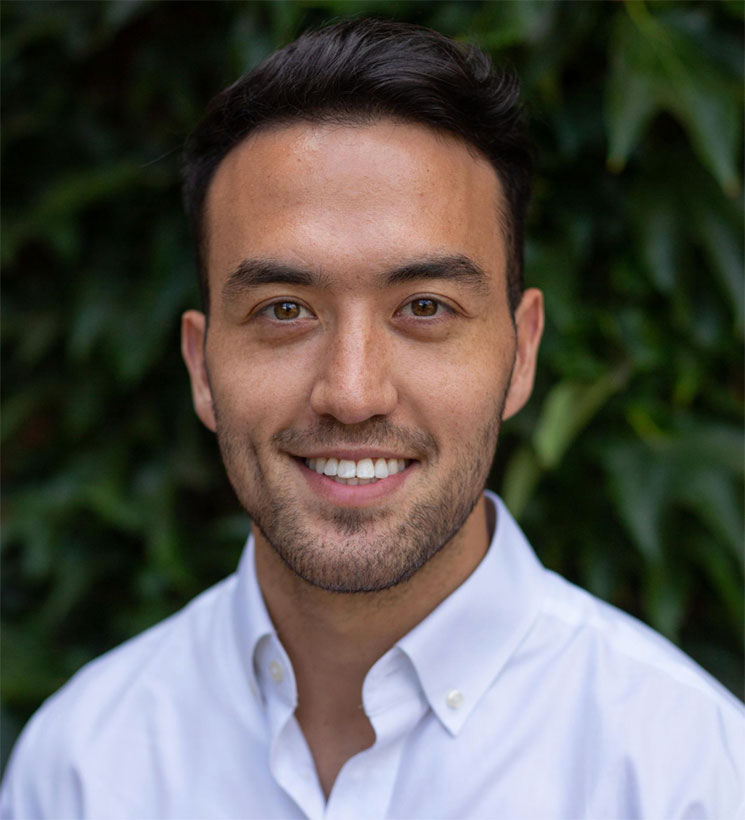
Sean
Founder, Succeed
Talk it through with Sean
“I can help you compare the programmes you're considering, think through the practicalities and work out what makes sense for you.”
20 minutes · No obligation to enrol
A practical overview of cost, accommodation, meals, dates and provider details to review before deciding.
Cost and what is included
$8,372; $6,416; includes One three-week course., Residential housing and three meals daily., One campus meal daily for commuters., Fitness, athletic and aquatics-center access., Program activities and excursions., Digital completion certificate after successful completion., Instructor-written Course Performance Report..
Accommodation
University residence halls
Meals
Residential: three daily; commuter: one daily
Supervision or safety information
Trained student-life staff and Resident Assistants support students, with nightly face-to-face check-ins and staff on call around the clock. Students are expected to manage their time independently and may explore Rhode Island without continuous staff supervision.
Provider details
Review the Brown Pre-College Programs provider page and official sources before making a final decision.
Dates and logistics
3 weeks; Providence, Rhode Island, United States.
What to check before committing
Confirm current dates, payment terms, travel arrangements, cancellation rules and what is included with the provider.
Compare this program with similar options before deciding on dates, cost, format and fit.
Compare with similar programsEffort level
Substantial, with weekday classes and daily independent work.
Best started
Allow six to eight weeks before a future application deadline for essays, academic records and any language testing.
Main challenge
Balancing academic work with independent campus life and mature discussion of sensitive topics.
Draft an original 250-500-word application essay that explains your curiosity or what you learned from a new experience.
Gather current and previous academic-year grades in English, including your name and the academic term.
Discuss the sensitive course content, residential independence and travel arrangements with a parent or guardian.
For a future session, contact accessibility services at least three weeks before the start if accommodations are needed.
Useful if
You want to assess your interest in clinical psychology through sustained academic engagement.
You study how clinical psychologists understand mental illness, assess problems and choose treatments informed by science. Lectures and videos introduce ideas that you explore further through discussion, classroom exercises, presentations and short writing assignments.
Begin with the basic science underpinning clinical psychology, research methods and psychological assessment.
Examine how research informs the choice and implementation of psychological treatments.
Trace the development of psychoanalysis, humanistic psychotherapy, behavior therapy and cognitive therapy.
Explore contemporary approaches, including Cognitive Behavior Therapy and Acceptance and Commitment Therapy.
Discuss how clinical psychology relates to medicine, social work and nursing, and consider possible career directions.
Next cycle not announced yet. These dates are from the latest verified cycle and should be used as a reference only.
Application deadline
15 May 2026
General Brown Pre-College deadline; course enrollment is separate.
Programme dates
6-24 July 2026
Applications open
14 January 2026
Brown Pre-College application opening.
Course enrollment
20 January 2026
Separate enrollment begins for admitted students.
Final admission decisions
22 May 2026
Pre-arrival forms
29 May 2026
Health, housing and other required forms.
Residential check-in
5 July 2026
9 a.m.-1 p.m. Eastern Time at Sayles Hall.
| Milestone | Date | Timezone | Status | |
|---|---|---|---|---|
Application deadline | 15 May 2026 | Local | Reference date | |
Programme dates | 6-24 July 2026 | Local | Reference date | |
Applications open | 14 January 2026 | Local | Reference date | |
Course enrollment | 20 January 2026 | Local | Reference date | |
Final admission decisions | 22 May 2026 | Local | Reference date | |
Pre-arrival forms | 29 May 2026 | Local | Reference date | |
Residential check-in | 5 July 2026 | Local | Reference date |
Completing grades 9-12.
Ages 14-18 by 14 June 2026.
No course prerequisites.
Strong English-language proficiency.
Mature engagement with sensitive mental-health topics.
Brown Pre-College admission and separate course enrollment.
Required health forms and immunization records for in-person attendance.
Residential program fee
$8,372 — Includes housing, meals and campus recreation access.
Funding or discounts
What's included
One three-week course., Residential housing and three meals daily., One campus meal daily for commuters., Fitness, athletic and aquatics-center access., Program activities and excursions., Digital completion certificate after successful completion., Instructor-written Course Performance Report.
Create one applicant account through Brown’s official Pre-College admissions destination.
Complete the online application form and an original 250-500-word essay.
Upload current and previous academic-year grades in English and pay the $80 application fee unless a waiver applies.
Provide any required English-language results and complete any recommendation you elect or are asked to submit.
Monitor the student portal and email for requests and the admissions decision.
After admission, confirm the desired course before paying the $500 deposit and enrolling separately.
Complete payment, health, housing and other onboarding requirements through the student portal.
Next step with Succeed
or let us know if .
Succeed replies first, usually within a working day
The program covers the following focus areas.
Clinical science and assessment
Study research methodology, psychological assessment and how scientific findings guide treatment decisions.
Historical psychotherapy
Explore psychoanalysis, humanistic psychotherapy, behavior therapy and cognitive therapy.
Contemporary treatment approaches
Examine Cognitive Behavior Therapy, Acceptance and Commitment Therapy and modern third-wave approaches.
Clinical careers and related disciplines
Consider clinical psychology careers and the field’s relationships with medicine, social work and nursing.
Curriculum may be adjusted based on participant interests and current developments.
A typical day during the program.
Meet from 3:30 to 6:20 p.m. Eastern Time for lectures, discussion and classroom activities.
Expect 2-3 hours of homework daily, with flexibility over when and where you study.
Check in face to face at 10 p.m. Eastern Time and remain on your floor until 6 a.m.
Michael Armey is the listed instructor for this course section. Summer@Brown students can use instructor office hours to discuss course content and assignments, alongside writing-center and library resources.
Bring your own bedding and towels; residential students are expected to manage daily life independently within program rules.
After completing this program, participants often pursue:
Develop a clearer understanding of clinical psychology as a career.
Build a foundation for further study of mental illness and psychotherapy.
Explore connections with medicine, social work and nursing.
Earn a digital completion certificate after successful completion.
Receive an instructor-written Course Performance Report.
The course is non-credit, and participation does not confer an undergraduate admissions advantage at Brown.
The course takes place on Brown University’s campus in Providence, Rhode Island. Residential check-in is at Sayles Hall on the Main Green, and families arrange transportation to and from campus.
Brown Pre-College does not provide transportation or coordinate travel assistance.
Compare these psychology and related health-science options if you want a different learning format or broader subject focus.
Online psychology study
Best for
Students prioritizing online psychology study
Psychology and neuroscience study
Best for
Students interested in psychology and the brain
Medical and biological sciences study
Best for
Students comparing psychology with health sciences
Save this program in Succeed to compare it with similar programs, dates, costs and formats in one place.
Compare with other programsContent reviewed by
Co-founder, Succeed | Former secondary teacher and educational leader
Ben works at the intersection of education, technology and school adoption, with expertise in how secondary schools evaluate data-driven tools and how education technology is used in practice.
Succeed uses official provider information where available, but keeps this public page focused on comparison and planning inside Succeed.
Official course page checked
Course timetable reviewed
Eligibility requirements reviewed
Residential and commuter fees verified
Application requirements reviewed
Scholarship eligibility reviewed
Completion credentials checked
Residential support policies reviewed
We use source material to verify core facts, then show older cycle dates as reference when a current cycle is not available. Always check current application instructions before applying.
Introduction to Clinical Psychology
by Brown Pre-College Programs
May qualify for the £300 Succeed Programme Award.
Get the full picture before you decide
Request your Program Guide. We'll email it within 24 hours.
No account needed to compare programmes.