
Application deadline
15 May 2026
Brown's application page lists this date; its FAQ lists 8 May.

Explore how power shapes historical narratives through archives, monuments and museums, then put public history into practice by collaboratively curating an exhibit.
Request your Program Guide. We'll email it within 24 hours.
or let us know if .
What Succeed checks
We review public program details such as eligibility, age range, cost, duration, location, format, accommodation, meals and application timing.
What Last verified means
Last verified is the latest date Succeed checked the public details shown on this page. Program dates, prices and availability can still change.
How official sources are used
Succeed uses official provider information where available, then rewrites it into a student-facing summary for comparison and planning.
Why some dates are reference dates
If the current cycle is not available, Succeed may show the latest verified cycle dates so you can understand typical timing.
Succeed is independent from this provider unless a partnership is clearly stated.
Current status
Upcoming
Eligibility
Completing grades 9-12
Age range / Year group
Ages 14-18
Location / Region
Brown University, Providence, Rhode Island, United States
Cost
$3,748; $3,096
Duration
1 week
Format
In-person
Brown's course explores who gets to shape historical narratives and how archives, monuments and museums influence public memory.
You combine critical reading and seminar discussion with practical public history work, including a monument proposal, object label and collaborative exhibit.
It suits students who enjoy questioning accepted narratives and want to connect historical analysis with museums, public art or community engagement.
Power and the Production of History is a Brown University Pre-College course examining how societies produce historical knowledge. It considers silences in historical narratives and the influence of colonialism, slavery, genocide and resistance on what gets remembered.
Students investigate archives, monuments, museums and art through readings, podcasts, documentaries and discussions with practitioners. Seminar conversations and writing lead into a collaboratively curated exhibit, connecting historical interpretation with the work of public historians and cultural critics.
The course makes historical interpretation tangible through a class exhibit rather than relying entirely on essays.
Archives, monuments and museums give students concrete settings in which to test questions about power and representation.
Readings sit alongside podcasts, documentaries and practitioner discussions, offering several ways into challenging material.
The stated outcomes connect academic analysis with public communication and community engagement.
Students interested in history, museums, public art or social justice who enjoy reading, discussion and collaborative creative work.
You want a chronological survey of historical events, college credit or a campus experience with continuous individual supervision.
The strongest reason to choose this course is its combination of historical critique and public-facing practice. Writing labels and curating an exhibit can help you test whether museum work, public history or cultural studies interests you beyond classroom reading.
The concentrated format offers an introduction rather than sustained research training. It is non-credit, and Brown does not frame Pre-College as an undergraduate admissions prospecting program, so judge its value by the learning and work you would gain.
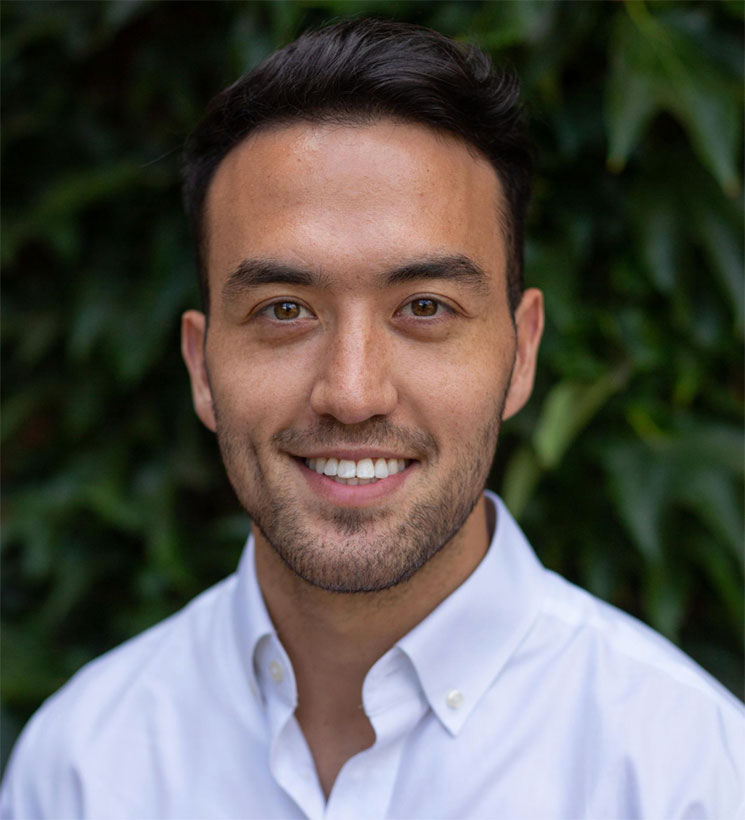
Sean
Founder, Succeed
Talk it through with Sean
“I can help you compare the programmes you're considering, think through the practicalities and work out what makes sense for you.”
20 minutes · No obligation to enrol
A practical overview of cost, accommodation, meals, dates and provider details to review before deciding.
Cost and what is included
$3,748; $3,096; includes One week of course instruction., Residential housing and three meals daily., One daily campus meal for commuters., Fitness, athletic and aquatics center access., Program activities and excursions., Digital certificate after successful completion..
Accommodation
University residence halls
Meals
Residential: three; commuter: one daily
Provider details
Review the Brown Pre-College Programs provider page and official sources before making a final decision.
Dates and logistics
1 week; Brown University, Providence, Rhode Island, United States.
What to check before committing
Confirm current dates, payment terms, travel arrangements, cancellation rules and what is included with the provider.
Compare this program with similar options before deciding on dates, cost, format and fit.
Compare with similar programsEffort level
Intensive, with daily classes and substantial homework.
Best started
Six to eight weeks before a future cycle's application deadline, allowing longer for language testing and travel.
Main challenge
Turning complex ideas about power and representation into clear public history work.
Practice analyzing a historical source and explaining whose perspective it represents.
Visit a museum or memorial and consider what its labels emphasize or omit.
Prepare your application essay and academic records independently, with time for revision.
Plan how you will balance classes, daily homework and campus activities.
Useful if
You want to test your interest in college-level history and cultural studies.
You investigate how historical accounts are constructed, then translate that analysis into public history practice. Discussion and writing support a class exhibition that brings questions of truth, power and representation into a concrete output.
Analyze primary sources and secondary readings about historical knowledge and power.
Discuss archives, museums, monuments and public memory through case studies.
Connect course material with personal experience through discussion posts and writing.
Write a monument proposal and an object label.
Collaborate with classmates to curate a small-scale exhibition.
Next cycle not announced yet. These dates are from the latest verified cycle and should be used as a reference only.
Application deadline
15 May 2026
Brown's application page lists this date; its FAQ lists 8 May.
Programme dates
22-26 June 2026
Applications open
14 January 2026
Brown Pre-College application cycle.
Registration opens
20 January 2026
Course enrollment for admitted students.
Final admission decisions
22 May 2026
Residential check-in
21 June 2026
9 a.m.-1 p.m. ET; student orientation follows.
| Milestone | Date | Timezone | Status | |
|---|---|---|---|---|
Application deadline | 15 May 2026 | Local | Reference date | |
Programme dates | 22-26 June 2026 | Local | Reference date | |
Applications open | 14 January 2026 | Local | Reference date | |
Registration opens | 20 January 2026 | Local | Reference date | |
Final admission decisions | 22 May 2026 | Local | Reference date | |
Residential check-in | 21 June 2026 | Local | Reference date |
Completing grades 9-12.
Ages 14-18 by 14 June 2026.
Strong English proficiency.
Prior U.S. history knowledge helpful, but not required.
Brown Pre-College admission and separate course enrollment required.
Required immunizations for in-person participation.
Residential program fee
$3,748 — One-week 2026 course with housing and meals.
Funding or discounts
What's included
One week of course instruction., Residential housing and three meals daily., One daily campus meal for commuters., Fitness, athletic and aquatics center access., Program activities and excursions., Digital certificate after successful completion.
Create one applicant account in the Brown Pre-College student portal.
Complete the application form and write the required 250-500-word essay.
Submit current and previous academic-year grades in English and pay the $80 application fee or obtain a waiver.
Provide language test results when required and any recommendation you elect or are asked to submit.
Monitor your portal for missing materials and your admissions decision.
After admission, confirm your course choice before paying the $500 non-refundable deposit.
Separately enroll in Power and the Production of History, Course 10201, and complete the required health and enrollment forms.
Next step with Succeed
or let us know if .
Succeed replies first, usually within a working day
The program covers the following focus areas.
Power and historical silences
Examine how colonialism, slavery, genocide and resistance shape historical narratives.
Archives and knowledge
Analyze ownership, authority and representation in archives and historical knowledge production.
Monuments and public memory
Explore how memorials and monuments communicate history and propose your own monument.
Museums and exhibition practice
Write an object label and collaboratively curate a small-scale exhibition.
Curriculum may be adjusted based on participant interests and current developments.
A typical day during the program.
12:15-3:05 p.m. ET, totaling 14 hours 10 minutes across five classes.
At least two to three hours of homework, with students managing their own study time.
Optional workshops, activities and events fit around academic commitments.
Face-to-face check-in at 10 p.m. ET; remain on your floor until 6 a.m.
Istifaa Ahmed is listed as the instructor for Course 10201. The course also incorporates discussions with practitioners, and Summer@Brown students can use instructor office hours and writing support.
Rooms may be single, double or triple occupancy; roommate requests are not honored, and students bring their own bedding and towels.
After completing this program, participants often pursue:
Build a foundation for college-level introductory history.
Prepare for academic research or a local-history community project.
Explore interests in public art, museum work and social justice.
Create a monument proposal, object label and collaborative exhibition.
Earn a digital certificate through successful completion.
The course is non-credit; its one-week duration does not qualify for a Course Performance Report.
The course takes place on Brown University's campus in Providence, Rhode Island. Residential check-in is at Sayles Hall on the Main Green, and students and families arrange their own transportation.
Students may explore Rhode Island independently while meeting class and curfew requirements; out-of-state travel requires advance parent or guardian authorization.
Compare these humanities and social-science options if you want a broader subject focus or a different study format.
In-person humanities and social-science study.
Best for
Students comparing broader humanities study.
Cambridge summer study in politics and social sciences.
Best for
Students drawn to power and social structures.
Online study spanning humanities, science and social sciences.
Best for
Students comparing online academic options.
Save this program in Succeed to compare it with similar programs, dates, costs and formats in one place.
Compare with other programsContent reviewed by
Co-founder, Succeed | Former secondary teacher and educational leader
Ben works at the intersection of education, technology and school adoption, with expertise in how secondary schools evaluate data-driven tools and how education technology is used in practice.
Succeed uses official provider information where available, but keeps this public page focused on comparison and planning inside Succeed.
Official course page checked
Eligibility requirements reviewed
Class schedule checked
Residential and commuter fees checked
Application deadline discrepancy identified
Certificate conditions reviewed
Student support policies reviewed
We use source material to verify core facts, then show older cycle dates as reference when a current cycle is not available. Always check current application instructions before applying.
Power and the Production of History Summer Course
by Brown Pre-College Programs
Get the full picture before you decide
Request your Program Guide. We'll email it within 24 hours.
No account needed to compare programmes.