Two weeks in Vancouver, ages 15 to 18, from CAD 2,940.
21 May 2027 · From CAD 2,940 · 15-18 · Vancouver, Canada · In-person
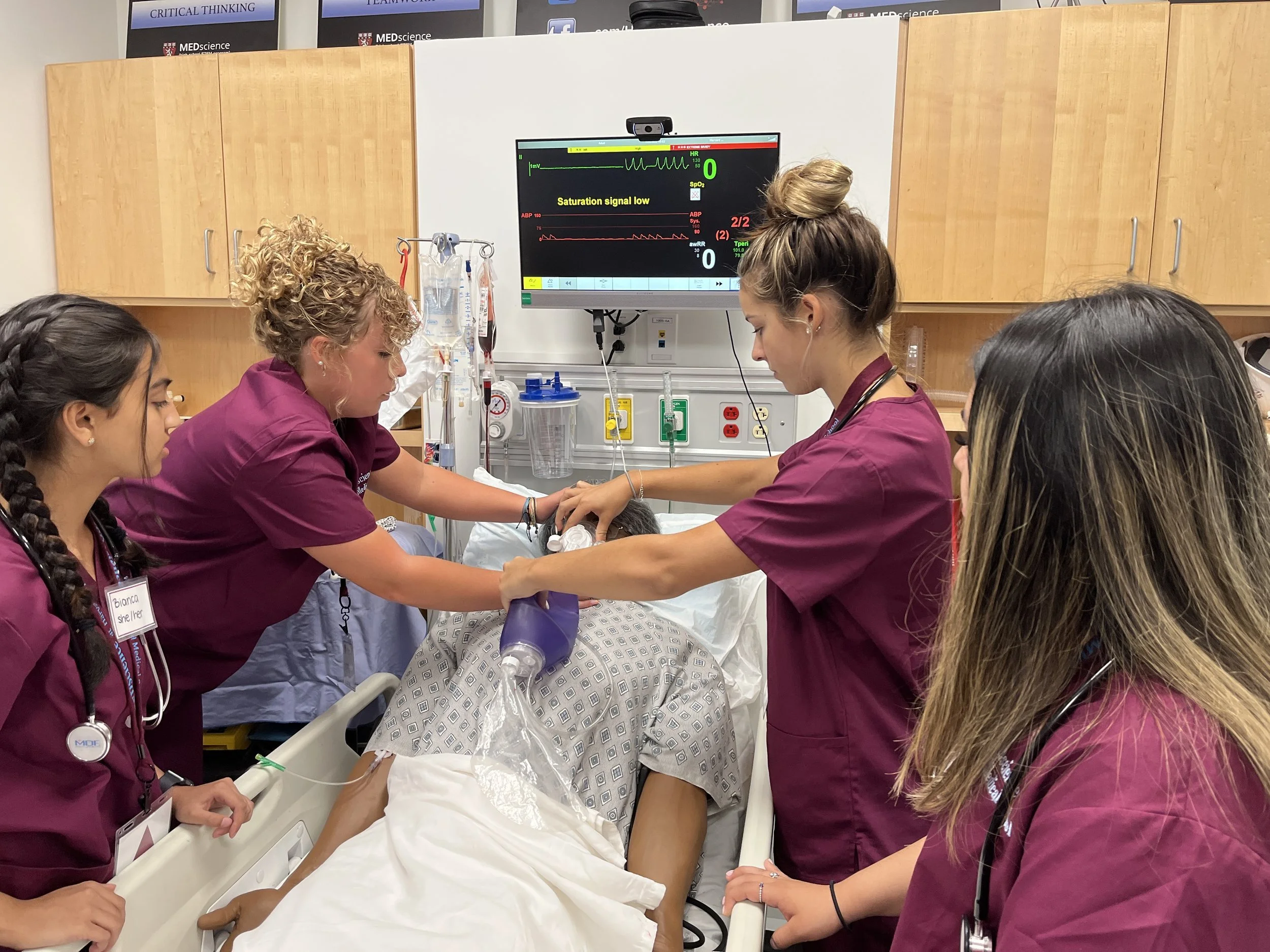
MEDscienceClinical puts high school students in a simulated emergency room at Harvard Medical School in Boston, where they work in small teams to evaluate, diagnose and treat a life-like manikin patient. Over a four- or five-day school break session, they practice skills such as suturing, inserting IVs and intubation, and hear from healthcare professionals about their careers. Schools can also bring whole classes during the semester.
 Sean Stevens · Sources
Get the key facts by email
The dates, costs and how to apply, then a reminder on 27 Nov, 3 days before the deadline.
Why it's worth it
You do the clinical work yourself, from running emergency cases on a manikin patient to suturing and placing IVs, alongside physicians, nurses and EMTs, and it all happens in Harvard Medical School's own simulation lab.
What it asks of you
Mostly money and logistics. A 4-day session costs $2,250, about $560 a day, and families who don't live near Boston also have to pay for somewhere to stay, because HMS MEDscience requires a parent, guardian or other responsible adult to stay with the student for the whole program.
Who should skip it
Students who want something lasting to show for their time beyond the experience, because the program is short, not-for-credit and built around simulations, with no research or project to take away.
Each day runs from 9:00 a.m. to 3:30 p.m. Eastern Time at Harvard Medical School, with an 8:30 a.m. arrival on the first morning and a 2:00 p.m. finish on the last. You change into scrubs and spend the time on emergency cases with STAN, the program's interactive manikin patient, and on hands-on skills such as reading vital signs, suturing wounds, inserting IVs and intubation. Birthing simulations and Stop the Bleed trauma training are also on the list, and MEDchats bring in healthcare professionals to talk about their specialties and some of their most memorable patient cases.
HMS MEDscience sets no textbooks, homework or tests, and since the program is non-residential, your evenings are your own.
You work in small groups alongside physicians, nurses, EMTs, pharmacists, medical students and pre-med students. The HMS MEDscience teaching team mixes former high school science teachers with people from clinical backgrounds, among them a doctor with a PhD in immunology, a critical-care nurse, a pharmacist and EMTs who have worked as emergency room technicians at Brigham and Women's Hospital. HMS MEDscience doesn't say which of them teach each school break session.
The program was co-founded by Dr. Nancy Oriol, Dean of Community Engagement in Medical Education at Harvard Medical School, who introduced manikin simulation into the medical school's own curriculum. It's led by founding executive director Julie Joyal, a registered nurse with more than 30 years of experience. HMS MEDscience says it keeps a small teacher-to-student ratio but doesn't publish the number.
Any student in grades 9 to 12 at the time of applying can apply, international students included, and there's no transcript to send or minimum GPA. Eighth graders can't apply, even if they'll start ninth grade in fall 2027.
Admission is competitive and rests on two things, your three essays and an assessment from an adult who knows you. That adult can be a teacher, guidance counselor, school official, coach or mentor, so you don't need a science teacher to vouch for you. HMS MEDscience says it accepts as many qualified students as seats allow, but it doesn't publish a cohort size or acceptance rate. Students who've already done a MEDscience semester or summer program can only apply to programs they haven't completed.
Applications go through Regpack, the official application platform HMS MEDscience uses.
Fill in the application
Give your details, choose your session, answer three essay questions, add parental consent and enter the name and email of the adult who'll write your assessment.
Ask for a scholarship if you need one
The Scholarship Application Form sits inside the same application.
Chase your assessment
The form goes to that adult automatically, so tell them to expect an email from Harvard Medical School MEDscience and follow up if it hasn't arrived.
Check it's complete
Log in and use the Application Status Form to confirm your application and assessment have both been received.
Wait for a decision, then pay
Standard-round applicants hear on 1 December 2026 and, if accepted, pay and enroll by 10 December 2026. HMS MEDscience hasn't published separate decision or payment dates for the rolling round.
A 4-day session costs $2,250, and the one 5-day session, 15 to 19 March 2027, costs $2,800. The fee covers your scrubs, all program materials, lunch and snacks, while housing and travel are up to your family. Payment goes through Touchnet, Harvard University's payment system, by credit card or ACH.
To withdraw, you have to email HMS MEDscience. Every refund carries a $200 processing fee, and payments can't be moved to a later year. Missing days, for whatever reason, earns no refund. If Harvard Medical School or state or local authorities cancel the program, you get everything back.
HMS MEDscience offers a limited number of partial and full scholarships to Greater Boston students, with preference for residents of Suffolk, Norfolk, Middlesex, Essex and Plymouth counties. Awards depend on family finances and available funds, go only to accepted students who applied for one, and are announced with the admission decision.
| When you withdraw | What you get back |
|---|---|
| Before 8 January 2027 | The full fee, minus $200 |
| 9 to 20 January 2027 | Half the fee, minus $200 |
| 21 January 2027 or later | Nothing |
You leave with a Harvard Medical School MEDscience Program Certificate of Completion, as long as you attend every day, and the program includes Stop the Bleed trauma care certification. CPR/AED certification isn't part of the 4-day sessions. The program is not-for-credit and no transcript is issued, so it counts as hands-on exposure to clinical work and healthcare careers, not as coursework a school or college will credit.

Sean
Talk it through with Sean
“I can help you compare the programs you're considering, think through the practicalities and work out what makes sense for you.”
Two weeks in Vancouver, ages 15 to 18, from CAD 2,940.
21 May 2027 · From CAD 2,940 · 15-18 · Vancouver, Canada · In-person
Pharmaceutical sciences in Seattle, ages 14 to 18, from $2,998.
21 Feb 2027 · From $2,998 · 14-18 · Seattle · In-person
Two weeks in Brighton, ages 15 to 17, from £4,740.
Deadline: Not announced yet · From £4,740 · 15-17 · Brighton · In-person
Save this program in Succeed to compare it with similar programs, dates, costs and formats in one place.
Compare with other programsOfficial page
hmsmedscience.org
hmsmedscience.org
hmsmedscience.org
hmsmedscience.org
Facts checked against the official page on 18 Nov 2026
Editor: Sean Stevens
Succeed has no commercial relationship with Harvard Medical School.
Spot an error? Report it