Environmental Engineering High School Course
Applications open
21 Feb 2027 · From $3,298 · 14-18 · San Diego · In-person
by Lehigh University Pre-College Programs
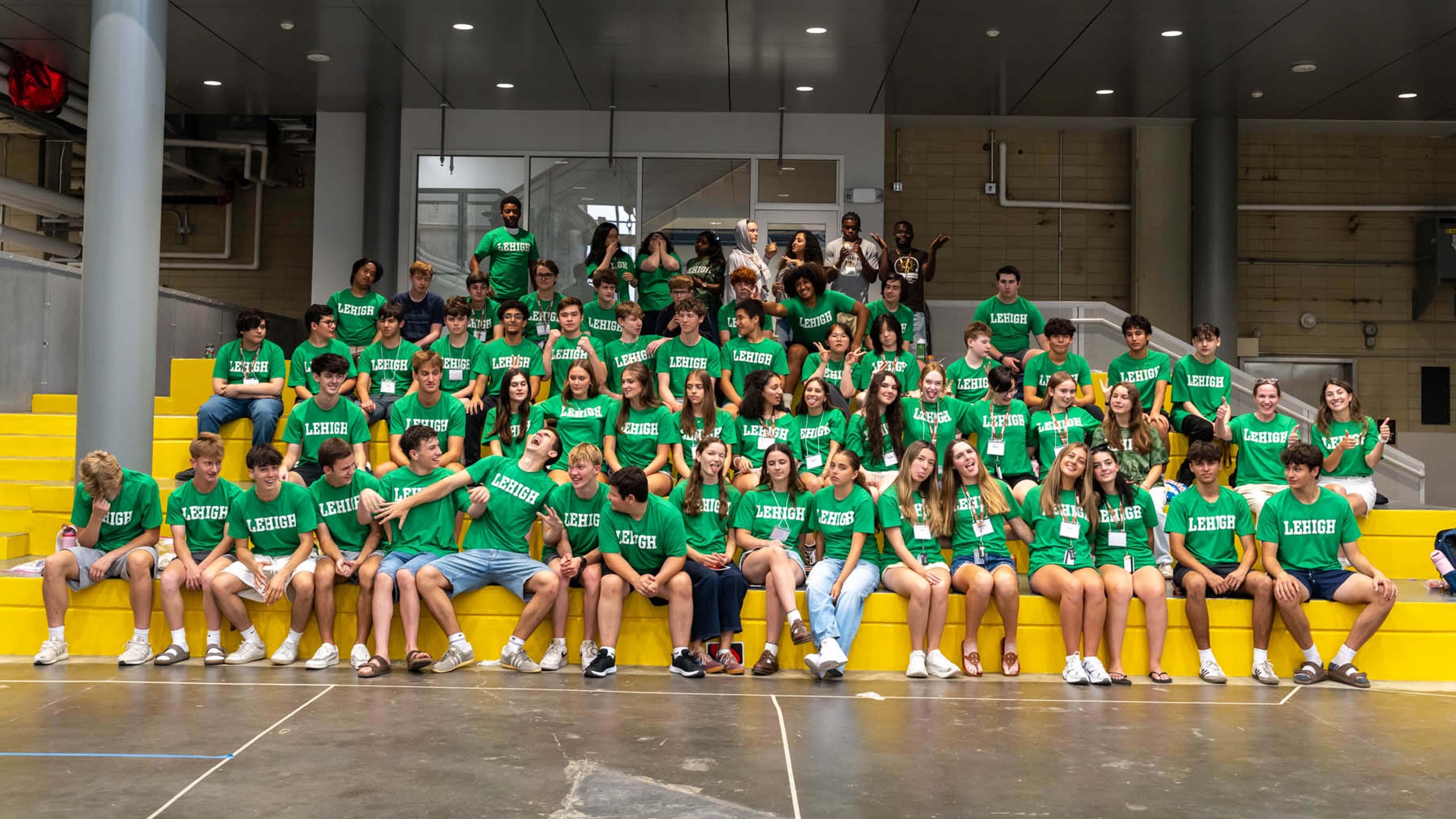
Engineering: Our Sustainable Future is a one-week residential camp at Lehigh University in Bethlehem, Pennsylvania. Students start with the United Nations' 17 Sustainable Development Goals, then pick one engineering-related goal and look at it through two lenses: new technology, and the social change needed for people to adopt it. Most of the class time is discussion and breakout groups. Teams research a specific challenge, report their progress during the week and finish with a five-minute video, using AI tools for research, images and drafting.
 Sean Stevens · Sources
Why it's worth it
The course is led by an engineering department chair whose own research is in energy and environmental materials, and it asks you to judge whether society will actually take up a technical fix as well as how the fix works. Around that you get a genuine week of residence-hall life on a research university campus.
What it asks of you
A full Sunday-to-Friday week away from home, with long class days built around talking ideas through in breakout groups. Comfort with AI tools helps, since Lehigh has students use them throughout the coursework.
Who should skip it
Students who want to design and test something physical, because the week ends in a five-minute AI-assisted video, not a prototype. Students after college credit should skip it too, since the course carries none.
Professor McIntosh, the Zisman Family Professor and Department Chair in Chemical and Biomolecular Engineering at Lehigh, leads the course. His research focuses on new materials and electrochemical systems for energy and environmental uses, which fits a week spent on engineering's role in the Sustainable Development Goals.
Lehigh says its pre-college courses are taught by faculty rather than graduate students and that cohorts are small, although it doesn't publish a class size.
From Monday to Thursday, class runs in two three-hour blocks, from 9:00 to 12:00 and 1:00 to 4:00, with lunch in the University Center in between. At 4:00 you head back to the residence hall for an hour of free time, then dinner at 5:00 and an organized activity at 6:00, with quiet hours from 10:00 p.m. Friday has a morning of class and lunch before departures from around 1:00 p.m., which are staggered by program.
Sunday
Arrival, introductions, a campus tour and an admissions session.
Monday
Trivia night with Lehigh's Iacocca Summer Program.
Tuesday
A design thinking session with Lehigh's entrepreneurship program, or a student panel.
Wednesday
An activity at the Lehigh art galleries or the Zoellner Arts Center.
Thursday
An end-of-program picnic on Mountaintop.
Lehigh says the schedule may change, but its published evening program looks like this:
You leave with the five-minute video your group makes on its chosen goal, along with a week's taste of college classes and residence-hall life. The course is non-credit, and Lehigh states plainly that taking part doesn't guarantee admission as an undergraduate. Lehigh doesn't mention a certificate of completion, so ask before you register if you need one.
Any rising 10th, 11th or 12th grader in good academic standing with their school can register, as long as they're 14 to 17 during the program. Lehigh also requires every participant to stay under 18 for the whole week, so a student who turns 18 on or before 16 July 2027 can't attend.
Lehigh treats this as registration rather than an application, and it doesn't publish an essay, transcript request or any selection step. Each student can sign up for only one of Lehigh's pre-college programs.
The fee is $1,800, which covers instruction, supplies, a room in McClintic-Marshall House (an air-conditioned first-year residence hall), all meals and the evening activities. Getting there isn't included, since families arrange their own travel to and from Bethlehem, which Lehigh puts about 90 minutes from both New York City and Philadelphia. Lehigh's packing list also includes a laptop and your own twin bedding. Lehigh doesn't mention scholarships or financial aid for the program.
If you cancel before 30 April 2027, you get a full refund. After that date Lehigh refunds 50% of the fee, and after 30 May 2027 it refunds nothing, so it's worth settling summer plans before the end of April.
Lehigh student staff stay with each cohort at all times and lead students through the day, and students line up for a head count every time the group moves between meals, classes and evening activities. Students walk around campus in groups of at least three and can't switch rooms. From 10:00 p.m. they must stay in their own rooms, with lights out by 11:00 p.m.
Lehigh's rules and expectations set out a three-tier discipline system. Having alcohol, vapes, tobacco or drugs means immediate dismissal, and a parent then has to collect the student from campus at the family's own expense.
Parents should note that staff can't give students any medication, even over-the-counter, and students may not share medicine with each other. All medical needs go through the program staff, so raise them before the week starts.

Sean
Talk it through with Sean
“I can help you compare the programs you're considering, think through the practicalities and work out what makes sense for you.”
21 Feb 2027 · From $3,298 · 14-18 · San Diego · In-person
15 Jan 2027 · From $6,995 · 15-18 · Boston · In-person
03 Mar 2027 · From $3,000 · 14-16 · Chicago · In-person
Save this program in Succeed to compare it with similar programs, dates, costs and formats in one place.
Compare with other programsacademicoutreach.lehigh.edu · Official page
lehighprecollege.totalcamps.com
academicoutreach.lehigh.edu
academicoutreach.lehigh.edu
academicoutreach.lehigh.edu