
Applications
Rolling admissions
Admission decisions follow the interview.

An immersive medical and biological sciences program combining study of the human body, disease and health with experiments, tutorials and field exploration.
See Succeed's assessment of the programme, who it may suit, the estimated total cost, what applying involves and what is still to confirm.
or let us know if .
What Succeed checks
We review public program details such as eligibility, age range, cost, duration, location, format, accommodation, meals and application timing.
What Last verified means
Last verified is the latest date Succeed checked the public details shown on this page. Program dates, prices and availability can still change.
How official sources are used
Succeed uses official provider information where available, then rewrites it into a student-facing summary for comparison and planning.
Why some dates are reference dates
If the current cycle is not available, Succeed may show the latest verified cycle dates so you can understand typical timing.
Succeed is independent from this provider unless a partnership is clearly stated.
Current status
Applications open
Eligibility
Motivated school students; B2-C1 English
Age range / Year group
Ages 14-15
Location / Region
Oxford; Cambridge
Cost
£6,550; £6,950
Duration
2 weeks
Format
In-person
A residential academic stream exploring biology, anatomy, medicine, health and disease through interactive teaching and real-world investigation.
Mornings focus on academic sessions; afternoons bring workshops, field exploration and museum visits, followed by supervised cultural and social activities.
It suits curious students considering medicine or life sciences who want broad exploration and university-style discussion rather than advanced specialist training.
The Junior Medical and Biological Sciences Programme is Oxbridge Summer Scholars’ Stream B for younger students. It connects biology, anatomy and medical science to questions about the human body, disease, health and wellbeing.
Students learn through lectures, seminars, small-group tutorials, experiments and practical exploration. Academic study is combined with museum visits, workshops, field activities and a wider residential program in an Oxford or Cambridge college.
The interdisciplinary stream shows how biology, anatomy, psychology and medical science connect around human health.
Tutorials are capped at six students, creating space for focused discussion and analysis.
Students complete an individual research project of about 3,000 words rather than attending classes alone.
Tutors include doctors, psychologists, scientists and researchers with experience at leading UK universities.
Academic mornings are balanced with practical afternoons, cultural visits and supervised residential activities.
Academically curious 14- and 15-year-olds exploring medicine, biology or psychology who enjoy discussion, practical activities and structured residential life.
You want a clinical placement, advanced medical specialisation or an English-language course rather than broad academic exploration.
It can be valuable for students who want to test a serious interest in medicine and life sciences while experiencing tutorials, independent research and residential university life. The broad curriculum is especially useful before choosing a narrower academic pathway.
The limitation is the substantial fee and the program’s exploratory depth: it is not clinical work experience or a substitute for sustained school achievement. Families should value the full academic, residential and cultural package rather than treating the college setting alone as an admissions advantage.
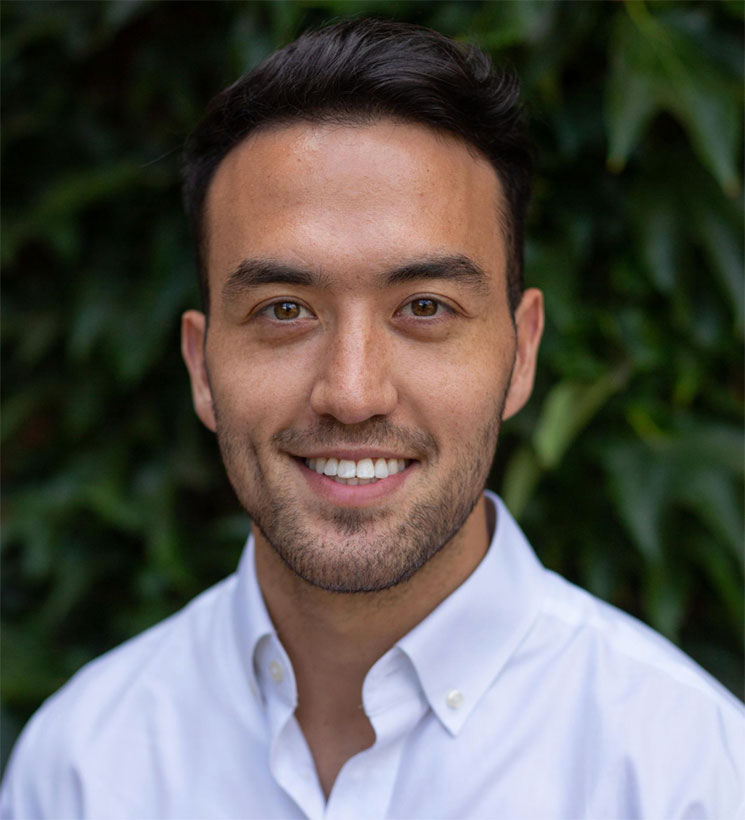
Sean
Founder, Succeed
Talk it through with Sean
“I can help you compare the programmes you're considering, think through the practicalities and work out what makes sense for you.”
20 minutes · No obligation to enrol
A practical overview of cost, accommodation, meals, dates and provider details to review before deciding.
Cost and what is included
£6,550; £6,950; includes College accommodation in a single room, Full-board meal plan with three meals, Academic tuition and course materials, Scheduled cultural activities and excursions, 24/7 supervision by trained staff.
Accommodation
Single college room
Meals
Full board, 3 meals
Supervision or safety information
The fee covers college accommodation, full-board meals, academic tuition and materials, scheduled activities and excursions, and 24/7 staff supervision. International travel, visas, insurance and optional airport transfers are not included.
Provider details
Review the Oxbridge Summer Scholars provider page and official sources before making a final decision.
Dates and logistics
2 weeks; Oxford; Cambridge.
What to check before committing
Confirm current dates, payment terms, travel arrangements, cancellation rules and what is included with the provider.
Compare this program with similar options before deciding on dates, cost, format and fit.
Compare with similar programsEffort level
High.
Best started
Begin the application four to eight weeks before your preferred run, or at least three months ahead if a visa is needed.
Main challenge
Moving between several medical and biological topics while developing an independent research project.
Review the stream topics and identify which questions about health or disease interest you most.
Prepare concise examples of your academic interests and motivation for the admissions interview.
Practise explaining scientific ideas clearly and completing short academic readings.
Plan travel, insurance and visa arrangements early for the residential stay.
Useful if
You are comfortable discussing complex ideas in English.
Students move through academic classes, practical exploration and residential activities, using several teaching formats to connect medical and biological ideas.
Attend morning sessions on topics such as cardiology, biochemistry, epidemiology, psychology and medicine.
Take part in lectures, stream seminars and small-group tutorials.
Complete pre-reading and contribute to guided academic discussion.
Develop an individual research project based on program topics.
Join afternoon museum visits, workshops, field exploration and university experiences.
Participate in keynote sessions, social activities and supervised evening events.
Applications
Rolling admissions
Admission decisions follow the interview.
December 2026
6-19 December 2026
July 2027, first session
4-17 July 2027
July 2027, second session
18-31 July 2027
August 2027
1-14 August 2027
| Milestone | Date | Timezone | Status | |
|---|---|---|---|---|
Applications | Rolling admissions | Local | Date not confirmed | |
December 2026 | 6-19 December 2026 | Local | Upcoming | |
July 2027, first session | 4-17 July 2027 | Local | Upcoming | |
July 2027, second session | 18-31 July 2027 | Local | Upcoming | |
August 2027 | 1-14 August 2027 | Local | Upcoming |
Aged 14 or 15 on the first program day
Current school student or recent school graduate
University and college students are not eligible
Approximately B2-C1 English proficiency
Strong academic motivation and curiosity
Ready to complete an admissions interview
December program fee
£6,550 — All-inclusive published program cost
Funding or discounts
What's included
College accommodation in a single room, Full-board meal plan with three meals, Academic tuition and course materials, Scheduled cultural activities and excursions, 24/7 supervision by trained staff
Check the Junior age, education-stage and English requirements.
Complete the student application form with your academic background, interests, motivation, preferred dates and stream.
Provide contact details for a parent or guardian.
If invited, choose an interview time using the emailed Calendly link.
Attend the 25-30 minute admissions interview to discuss your interests, goals and English proficiency.
Wait for the admission decision and official offer by email.
Pay the £1,000 deposit within seven days to confirm an offered place.
Next step with Succeed
or let us know if .
Succeed replies first, usually within a working day
The program covers the following focus areas.
Human biology and medicine
Explore how body systems work and how life sciences improve health.
Disease and population health
Investigate disease processes, outbreaks, epidemiology and population health.
Biochemistry and cancer
Connect molecular biology and biochemistry with cancer and medical research.
Psychology and behaviour
Examine clinical psychology, psychological disorders and human behaviour.
Independent research
Develop a research project using topics encountered during the program.
Curriculum may be adjusted based on participant interests and current developments.
A typical day during the program.
Three to four hours of subject classes, seminars and tutorials.
Museum visits, workshops, fieldwork and university experiences extend classroom learning.
Keynote lectures, masterclasses and supervised free time follow academic activities.
Dinner is followed by organised social activities, pre-reading and curfew.
Teaching is delivered by tutors, lecturers, researchers and professionals with backgrounds at Oxford, Cambridge and other leading UK universities. The Medical and Biological Sciences tutor group includes doctors, psychologists, biologists, chemists, epidemiologists and population-health researchers.
Stream seminars typically have 10-12 students, while tutorial classes are limited to six.
Travel to the UK, insurance, visa costs and optional airport transfers are not included.
After completing this program, participants often pursue:
Use the research project as evidence of sustained subject exploration.
Build confidence with lectures, seminars and small-group tutorials.
Develop research, writing, critical-analysis and presentation skills.
Gain a certificate recognising participation and accomplishments.
Reflect on whether medicine, biology or psychology suits further study.
The program provides academic exploration rather than clinical work experience or a formal qualification.
The December program is listed at St Peter’s College in Oxford. Summer programs list Somerville College in Oxford and Hughes Hall in Cambridge, combining college residence with cultural visits and university experiences.
Confirm the assigned city and college for your chosen intake before arranging travel.
Compare these medicine, biology and psychology programs if you need a different age range, location or learning format.
Medical study with problem-solving and public speaking
Best for
Students wanting a Cambridge-based medical course
Mentored medicine research completed online
Best for
Students prioritising independent medical research
University-style biology and research-methods study
Best for
Older students focused primarily on biology
Study of mind, behaviour and mental health
Best for
Students drawn to the psychology topics
Save this program in Succeed to compare it with similar programs, dates, costs and formats in one place.
Compare with other programsContent reviewed by
Co-founder, Succeed | Founder, Immerse Education (2012–2026)
Sean works at the intersection of academic enrichment, program quality and university preparation, with expertise in evaluating pre-university experiences for ambitious secondary school students.
Succeed uses official provider information where available, but keeps this public page focused on comparison and planning inside Succeed.
Program identity checked
Age requirement verified
Future sessions checked
Fees cross-checked
Admissions process reviewed
Accommodation inclusions reviewed
Safeguarding details checked
Schedule visually reviewed
We use source material to verify core facts, then show older cycle dates as reference when a current cycle is not available. Always check current application instructions before applying.
Junior Medical and Biological Sciences Programme
by Oxbridge Summer Scholars
May qualify for the £300 Succeed Programme Award.
Get the full picture before you decide
Succeed's assessment, estimated total cost and what applying involves.
No account needed for the Guide or Compare.