
Session One
15-26 June 2026
Two-hour live classes Monday-Friday, plus daily independent work.

by Stanford Pre-Collegiate Studies
Study viral infection, mRNA vaccines, and human-subject research through live teaching, independent assignments, and a collaborative bioscience project.
See Succeed's assessment of the programme, who it may suit, the estimated total cost, what applying involves and what is still to confirm.
or let us know if .
What Succeed checks
We review public online program details such as eligibility, age range, cost, duration, learning format, scheduling, mentor model, outputs and application timing.
What Last verified means
Last verified is the latest date Succeed checked the public details shown on this page. Program dates, prices and availability can still change.
How official sources are used
Succeed uses official provider information where available, then rewrites it into a student-facing summary for comparison and planning.
Why some dates are reference dates
If the current cycle is not available, Succeed may show the latest verified cycle dates so you can understand typical timing.
Succeed is independent from this provider unless a partnership is clearly stated.
Current status
Upcoming
Eligibility
Grades 8-11 at application
Age range / Year group
Ages 13-17
Location / Region
Online
Cost
$3,200
Duration
2 weeks
Format
Online
Topics in Bioscience uses the COVID-19 pandemic to connect viral biology, mRNA vaccines, and methods used in human-subject research.
Students combine live lectures, independent assignments, small-group activities, and a collaborative project.
It suits students who want to explore how biological mechanisms connect with clinical and population-level research.
Topics in Bioscience is a Stanford Pre-Collegiate Summer Institutes course exploring biology, anatomy, physiology, and research involving human subjects. Using the COVID-19 pandemic as a case study, it connects viral infection, protein production, viral evolution, and mRNA vaccines.
Students learn through live online lectures, asynchronous assignments, small-group activities, and a collaborative group project. The course introduces clinical, epidemiological, and computational methods, helping students see how different approaches contribute to biomedical research.
The COVID-19 case study gives abstract biological mechanisms a concrete application.
Clinical, epidemiological, and computational methods introduce several perspectives on human-subject research.
Small-group activities and a collaborative project add active work alongside lectures.
Published class and homework expectations help families judge the commitment realistically.
Students curious about viral biology, vaccines, and biomedical research who enjoy discussion and collaborative work.
You want a self-paced course or an in-person laboratory experience, since learning centers on scheduled online classes and independent coursework.
Topics in Bioscience is worth considering if you want to connect biological mechanisms with questions in medicine and public health. Its case study and collaborative project offer a useful way to test whether biomedical research interests you.
The commitment requires regular live attendance and substantial independent work, so it suits students who can protect time for both. Judge its value by the learning you expect to gain; participation does not guarantee Stanford undergraduate admission.
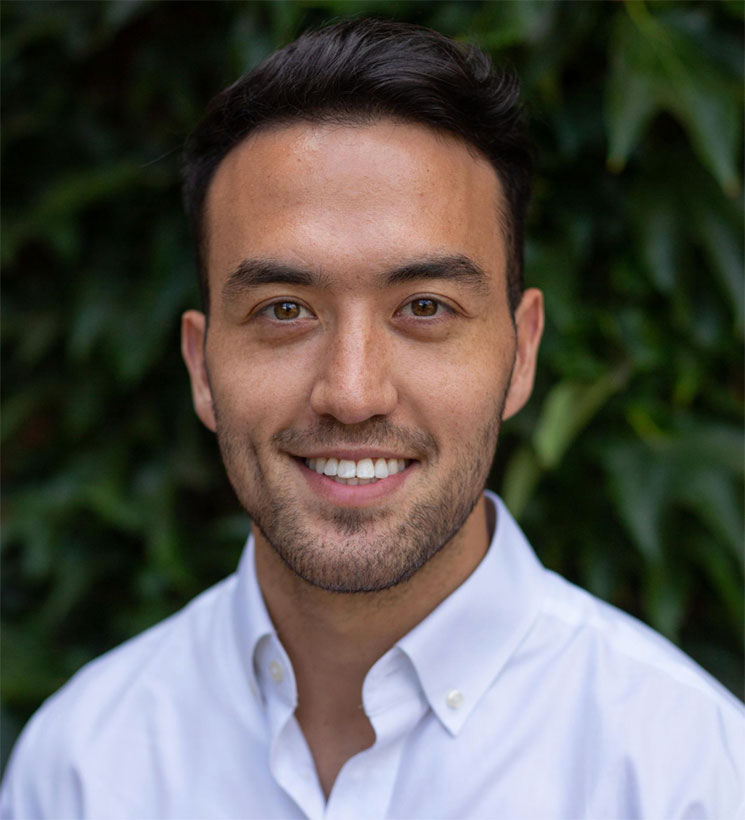
Sean
Founder, Succeed
Talk it through with Sean
“I can help you compare the programmes you're considering, think through the practicalities and work out what makes sense for you.”
20 minutes · No obligation to enrol
A practical overview of cost, time commitment, provider details, student outcomes and online support to review before deciding.
Cost and what is included
$3,200; includes Live online classes., Asynchronous assignments., Small-group learning activities., Collaborative group project., Online office hours..
Dates and time commitment
2 weeks; 10×2-hour weekday classes; 1-2-hour daily homework.
Provider details
Review the Stanford Pre-Collegiate Studies provider page and official sources before making a final decision.
What the student gains
Potential output: The main project output is a collaborative group project.. Check whether feedback, certificate, recommendation or application evidence is included.
Online support and safeguarding
Check how online sessions are supervised, how mentor communication works, and what support route exists if the student needs help.
What to check before committing
Confirm current dates, session schedule, payment terms, cancellation rules, support expectations and what output or certificate is included with the provider.
Compare this program with similar options before deciding on dates, cost, format and fit.
Compare with similar programsEffort level
High during the course.
Best started
Allow several weeks to gather application materials, then reserve the weeks before your session for schedule planning.
Main challenge
Balancing live attendance, independent coursework, and group collaboration.
Gather recent grade reports and transcripts before completing the application.
Choose a work sample that meets the course instructions and reflects your abilities.
Write application responses independently and review every upload before submission.
Compare the Pacific Daylight Time meeting windows with your local time and protect daily study time.
Useful if
You want to test your interest in biomedical research.
You examine viral biology and biomedical research through the COVID-19 case study. Live teaching is combined with independent assignments, small-group learning, and a collaborative project.
Explore how viruses infect the body, produce proteins, and evolve.
Examine mRNA vaccines and their role in fighting viral diseases.
Study clinical, epidemiological, and computational research methods.
Apply your learning through assignments, small-group activities, and a collaborative project.
Next cycle not announced yet. These dates are from the latest verified cycle and should be used as a reference only.
Session One
15-26 June 2026
Two-hour live classes Monday-Friday, plus daily independent work.
Session Two
6-17 July 2026
Two-hour live classes Monday-Friday, plus daily independent work.
| Milestone | Date | Timezone | Status | |
|---|---|---|---|---|
Session One | 15-26 June 2026 | Local | Reference date | |
Session Two | 6-17 July 2026 | Local | Reference date |
Be in Grades 8-11 when applying.
Domestic and international applicants may apply.
Admitted students may attend only one Summer Institutes course.
Financial aid
Domestic and international participants — Aid can be awarded to participants from both groups.
What's included
Live online classes., Asynchronous assignments., Small-group learning activities., Collaborative group project., Online office hours.
Use Stanford's official admissions page to access application guidance.
Select the courses you are genuinely interested in attending.
Complete the online application responses independently.
Upload recent grade reports, transcripts, and the work sample required by the course instructions.
Have a parent or legal guardian review and sign the completed application.
Review all materials, submit the complete application, and pay the required application fee.
Next step with Succeed
or let us know if .
Succeed replies first, usually within a working day
Each session combines two-hour live online classes Monday-Friday with approximately 1-2 hours of daily asynchronous assignments and project work. Both sessions list meeting windows of 8:00-11:00 a.m. or 4:00-7:00 p.m. Pacific Daylight Time, with the third hour used for online office hours.
Students attend one section and time; exact class and office-hour schedules are set closer to the program start.
Online office hours accompany the live classes.
The third hour of each meeting window is used for office hours.
Small-group learning activities complement live lectures.
Students work together on a collaborative group project.
Coursework includes asynchronous assignments and a collaborative group project.
Main deliverable / output
The main project output is a collaborative group project.
Compare these options if you want medicine-focused research, psychology study, or an in-person biological sciences experience.
Online research focused on medicine
Best for
Students seeking a medicine-specific research focus
Online study centered on psychology
Best for
Students exploring psychology alongside biological interests
Medical and biological sciences study in Cambridge
Best for
Students preferring in-person medical and biological sciences study
Save this program in Succeed to compare it with similar programs, dates, costs and formats in one place.
Compare with other programsContent reviewed by
Co-founder, Succeed | Founder, Immerse Education (2012–2026)
Sean works at the intersection of academic enrichment, program quality and university preparation, with expertise in evaluating pre-university experiences for ambitious secondary school students.
Succeed uses official provider information where available, but keeps this public page focused on comparison and planning inside Succeed.
Official course page checked
Session dates checked
Grade eligibility reviewed
Daily workload reviewed
Application requirements reviewed
Financial aid eligibility reviewed
We use source material to verify core facts, then show older cycle dates as reference when a current cycle is not available. Always check current application instructions before applying.
Topics in Bioscience
by Stanford Pre-Collegiate Studies
Get the full picture before you decide
Succeed's assessment, estimated total cost and what applying involves.
No account needed for the Guide or Compare.