
International application deadline
29 January 2026
For students attending school outside the US, non-US citizens or permanent residents, or both.

An intensive residential research experience in bacterial genomics, directed evolution and antibiotic resistance, combining wet-lab work with bioinformatics.
See Succeed's assessment of the programme, who it may suit, the estimated total cost, what applying involves and what is still to confirm.
or let us know if .
What Succeed checks
We review public program details such as eligibility, age range, cost, duration, location, format, accommodation, meals and application timing.
What Last verified means
Last verified is the latest date Succeed checked the public details shown on this page. Program dates, prices and availability can still change.
How official sources are used
Succeed uses official provider information where available, then rewrites it into a student-facing summary for comparison and planning.
Why some dates are reference dates
If the current cycle is not available, Succeed may show the latest verified cycle dates so you can understand typical timing.
Succeed is independent from this provider unless a partnership is clearly stated.
Current status
Closed
Eligibility
Current high school juniors
Age range / Year group
Ages 15-18
Location / Region
Albion; Chadron; Wooster; Bethlehem; West Lafayette; Guelph
Cost
$11,800
Duration
5 weeks
Format
In-person
This is an intensive residential research experience focused on bacterial stress resistance, directed evolution and genomic analysis.
Teams cultivate non-pathogenic bacteria under increasing stress, sequence evolved strains and use bioinformatics to identify potentially significant mutations.
It best suits students seeking collaborative, demanding life-science research rather than an independent project with guaranteed publication rights.
The Bacterial Genomics Summer Science Program is SSP International's immersive research track exploring how non-pathogenic bacteria evolve resistance to environmental stress. Participants study microbiology, molecular biology, genetics, genomics and bioinformatics while investigating a real life-science question.
Working in teams, students maintain bacterial cultures in custom chemostats, sequence evolved strains, reconstruct genomes and map mutations. The academic experience also includes scientific reading, data visualization, collaborative manuscript writing and poster defense.
Students complete a connected research process spanning bacterial cultivation, DNA sequencing and computational genomic analysis.
The project uses professional techniques and tools including PCR, gel electrophoresis, chemostats, microplate readers and Galaxy.
Collaborative manuscripts and poster defenses add substantive scientific communication experience.
Faculty, genomic scientists, teaching assistants and guest speakers provide several layers of academic and residential support.
Need-based aid can cover the full demonstrated need of admitted students, including eligible travel expenses.
High school juniors who enjoy biology, collaborative problem-solving and sustained laboratory work, and want to test whether advanced STEM research suits them.
You need a flexible summer schedule or want to pursue and publish a wholly independent research topic.
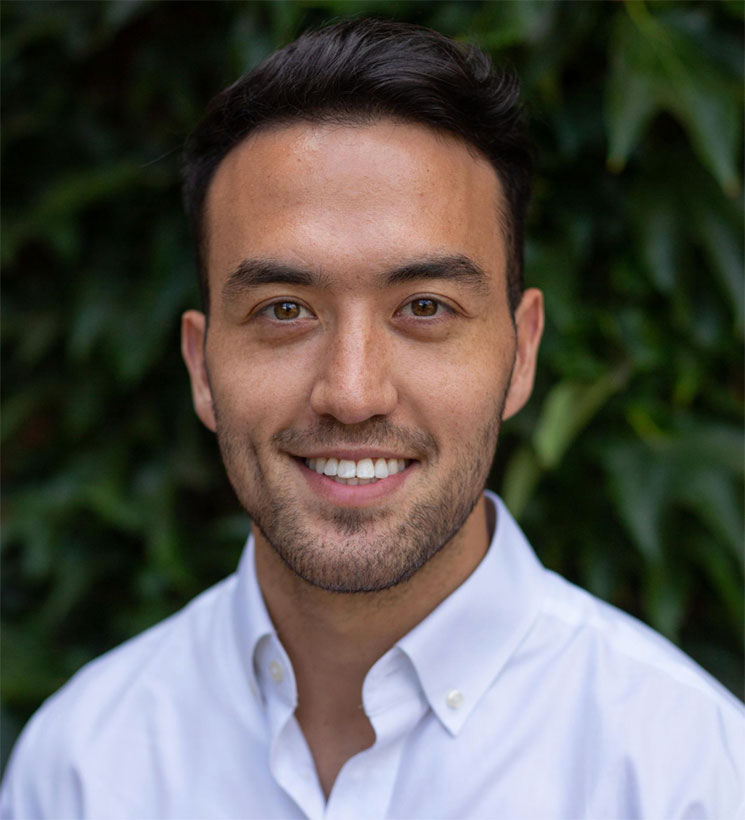
Sean
Founder, Succeed
Talk it through with Sean
“I can help you compare the programmes you're considering, think through the practicalities and work out what makes sense for you.”
20 minutes · No obligation to enrol
A practical overview of cost, accommodation, meals, dates and provider details to review before deciding.
Cost and what is included
$11,800; includes Room and board, Tuition, Research supplies, Local transportation, Rented laptop for program use.
Accommodation
Double-occupancy campus dorms
Meals
Room and board included
Provider details
Review the Summer Science Program provider page and official sources before making a final decision.
Dates and logistics
5 weeks; Albion; Chadron; Wooster; Bethlehem; West Lafayette; Guelph.
What to check before committing
Confirm current dates, payment terms, travel arrangements, cancellation rules and what is included with the provider.
Compare this program with similar options before deciding on dates, cost, format and fit.
Compare with similar programsEffort level
Very high.
Best started
Begin six to eight weeks before applications are due to confirm coursework, plan responses and arrange school documents.
Main challenge
Explaining your motivation while coordinating recommendations and transcript materials.
Review the Bacterial Genomics project before choosing it as your single research track.
Confirm that biology and Algebra II will be completed for credit and a grade by June.
Ask a current math or science educator for the required recommendation early.
Submit ahead of the deadline and monitor the portal for missing materials.
Useful if
You can show sustained curiosity about biology and readiness for teamwork.
Participants conduct a team-based directed-evolution study, linking hands-on bacterial cultivation with genome sequencing, bioinformatics and scientific communication.
Maintain a non-pathogenic bacterial culture in a custom chemostat.
Increase exposure to a selected stressor to apply evolutionary pressure.
Measure growth and characterize developing stress resistance.
Extract and quantify genomic DNA using molecular-biology techniques.
Sequence evolved strains and reconstruct their genomes.
Use Galaxy to assemble, annotate and assess sequence data.
Identify mutations that may explain stress resistance.
Coauthor a research manuscript and poster, then defend the poster.
The program covers the following focus areas.
Directed evolution
Apply controlled stress to bacterial cultures and study resulting resistance.
Molecular biology
Practice DNA extraction, quantification, PCR cleanup and gel electrophoresis.
Laboratory instrumentation
Use micropipettes, chemostats, microplate readers and electronic notebooks.
Bioinformatics
Use Galaxy for genome assembly, quality control and mutation calling.
Scientific communication
Interpret literature, visualize data and coauthor manuscripts and posters.
Curriculum may be adjusted based on participant interests and current developments.
A typical day during the program.
Intensive laboratory research, instruction and project work form the academic core.
Lectures, field trips, recreation and formal faculty dinners complement research.
Faculty include trained professionals, academics, researchers and scientists who teach the underlying science and laboratory techniques. STEM teaching assistants also support research and live alongside participants as residential mentors, while genomic scientists and guest speakers add specialist perspectives.
The published program model includes four teaching assistants and residential mentors at each site.
Housing details can vary by host campus; rooms and bathrooms are generally shared with a participant of the same gender.
After completing this program, participants often pursue:
Receive a letter confirming program completion.
Request a faculty recommendation after the program.
Use advanced laboratory and bioinformatics experience to test further STEM study.
Join an alumni network of more than 4,300 members.
Become eligible for College Link alumni mentorship.
SSP participation does not guarantee admission to any college, and prescribed research cannot normally be submitted independently to competitions.
The verified 2026 Bacterial Genomics sessions were hosted at Albion College, Chadron State College, the College of Wooster, Lehigh University, Purdue University and the University of Guelph. These campuses span five US states and Ontario, Canada.
Campus assignments are made after admission and cannot be changed.
Program fee
Up to $11,800 — All-inclusive maximum fee for 2026.
Funding or discounts
What's included
Room and board, Tuition, Research supplies, Local transportation, Rented laptop for program use
Current high school juniors only.
At least 15 and not yet 19 throughout the program.
Biology completed or in progress by June.
Algebra II completed or in progress by June.
Required courses must be taken for credit and a grade.
Self-study does not satisfy the course requirements.
AP or advanced-level classes are not required.
Full attendance from arrival through departure is required.
Confirm that you meet the junior-year, age and coursework requirements.
Review the research tracks and select Bacterial Genomics as your one project.
Create an account and complete the official online application.
Explain your motivation, interests and potential contribution to the program.
Arrange a school transcript and one math or science educator recommendation.
Ask a second educator for a recommendation if possible.
Submit all required sections and monitor the portal for missing materials.
Next cycle not announced yet. These dates are from the latest verified cycle and should be used as a reference only.
International application deadline
29 January 2026
For students attending school outside the US, non-US citizens or permanent residents, or both.
Domestic application deadline
19 February 2026
For US citizens or permanent residents attending school in the US.
Albion College
8 June-11 July 2026
Michigan, United States.
Chadron State College
15 June-18 July 2026
Nebraska, United States.
College of Wooster
22 June-25 July 2026
Ohio, United States.
Lehigh University
22 June-25 July 2026
Pennsylvania, United States.
Purdue University
29 June-1 August 2026
Indiana, United States.
University of Guelph
29 June-1 August 2026
Ontario, Canada.
Applications open
31 December 2025
Opening date for the 2026 cycle.
International decisions
Mid-March 2026
Admissions decisions for international applicants.
Domestic decisions
Mid-April 2026
Admissions decisions for domestic applicants.
| Milestone | Date | Timezone | Status | |
|---|---|---|---|---|
International application deadline | 29 January 2026 | Local | Reference date | |
Domestic application deadline | 19 February 2026 | Local | Reference date | |
Albion College | 8 June-11 July 2026 | Local | Reference date | |
Chadron State College | 15 June-18 July 2026 | Local | Reference date | |
College of Wooster | 22 June-25 July 2026 | Local | Reference date | |
Lehigh University | 22 June-25 July 2026 | Local | Reference date | |
Purdue University | 29 June-1 August 2026 | Local | Reference date | |
University of Guelph | 29 June-1 August 2026 | Local | Reference date | |
Applications open | 31 December 2025 | Local | Reference date | |
International decisions | Mid-March 2026 | Local | Reference date | |
Domestic decisions | Mid-April 2026 | Local | Reference date |
For a student serious about experimental biology, the program offers unusual depth: wet-lab techniques, genome analysis, scientific writing and residential collaboration form one coherent research experience. Its financial-aid model can also make an expensive program accessible to admitted families.
The trade-offs are significant. Admission is limited, the workload is demanding and exclusive, and SSP retains intellectual property over the prescribed research, so students seeking independent publishable work should consider a different format.
Next step with Succeed
or let us know if .
Succeed replies first, usually within a working day
Compare these related residential science programs if you want a different age range, subject emphasis or campus experience.
Modern science methods and questions
Best for
Younger students exploring science before specializing
Medical and biological sciences summer study
Best for
Older students considering biology or medicine
Ecology and environmental science high school course
Best for
Students preferring ecology to laboratory genomics
Save this program in Succeed to compare it with similar programs, dates, costs and formats in one place.
Compare with other programsContent reviewed by
Co-founder, Succeed | Founder, Immerse Education (2012–2026)
Sean works at the intersection of academic enrichment, program quality and university preparation, with expertise in evaluating pre-university experiences for ambitious secondary school students.
Succeed uses official provider information where available, but keeps this public page focused on comparison and planning inside Succeed.
Program format reviewed
Eligibility requirements checked
Course prerequisites verified
Dates and campuses checked
Fees and aid reviewed
Housing details verified
Safety guidance reviewed
We use source material to verify core facts, then show older cycle dates as reference when a current cycle is not available. Always check current application instructions before applying.
Bacterial Genomics Summer Science Program
by Summer Science Program
Get the full picture before you decide
Succeed's assessment, estimated total cost and what applying involves.
No account needed for the Guide or Compare.