
Applications
Rolling admissions

A hands-on bioinformatics course combining biology, computer science and statistics through real-world genetic datasets, R programming and scientific communication.
See Succeed's assessment of the programme, who it may suit, the estimated total cost, what applying involves and what is still to confirm.
or let us know if .
What Succeed checks
We review public program details such as eligibility, age range, cost, duration, location, format, accommodation, meals and application timing.
What Last verified means
Last verified is the latest date Succeed checked the public details shown on this page. Program dates, prices and availability can still change.
How official sources are used
Succeed uses official provider information where available, then rewrites it into a student-facing summary for comparison and planning.
Why some dates are reference dates
If the current cycle is not available, Succeed may show the latest verified cycle dates so you can understand typical timing.
Succeed is independent from this provider unless a partnership is clearly stated.
Current status
Applications open
Eligibility
Grades 9-12; 3.0 GPA
Age range / Year group
Ages 14-18
Location / Region
Santa Barbara, California, United States
Cost
$5,798 residential; $3,298 commuter
Duration
2 weeks
Format
In-person
Application deadline
Rolling · Next cycle not announced yet. These dates are from the latest verified cycle and should be used as a reference only.
Save programThis pre-college course introduces bioinformatics through biology, computer science and statistics, with an emphasis on turning large biological datasets into useful scientific insight.
Students use R and modern bioinformatics tools to analyze genetic and environmental data, visualize results and communicate analytical findings.
It best suits students curious about computational biology, genetics, conservation, biotechnology or data-led healthcare research.
DNA, Data and Discovery is a Summer Springboard pre-college course focused on bioinformatics, the field connecting biology with computer science and statistics. Students explore how genetic and environmental data can answer questions about ecosystems, evolution, healthcare and agriculture.
The practical experience centers on real-world datasets, modern bioinformatics tools and R programming. Students also develop data-visualization and scientific-communication skills, with potential subject-specific excursions that connect classroom ideas to laboratories, conservation and biotechnology.
It combines life science, coding and statistics in one coherent academic course.
Students work with authentic genetic and environmental datasets rather than only studying theory.
R programming, visualization and scientific communication provide transferable research skills.
The course connects bioinformatics with conservation, healthcare, agriculture and biotechnology careers.
Residential and commuter options let families choose the campus experience that fits them.
Students interested in genetics, biology and data who want practical exposure to R, bioinformatics and interdisciplinary scientific research.
You want a purely laboratory-based biology course or would rather avoid computational analysis and quantitative work.
This course can be worthwhile for a student testing whether computational biology feels more engaging than conventional classroom science. Its strongest value is the combination of authentic datasets, R programming and scientific communication within a broader campus experience.
The limitation is that a short introductory course cannot provide the depth of a sustained research project, and the tuition represents a substantial family commitment. Students will gain most if they arrive ready to engage with both biological questions and data-driven methods.
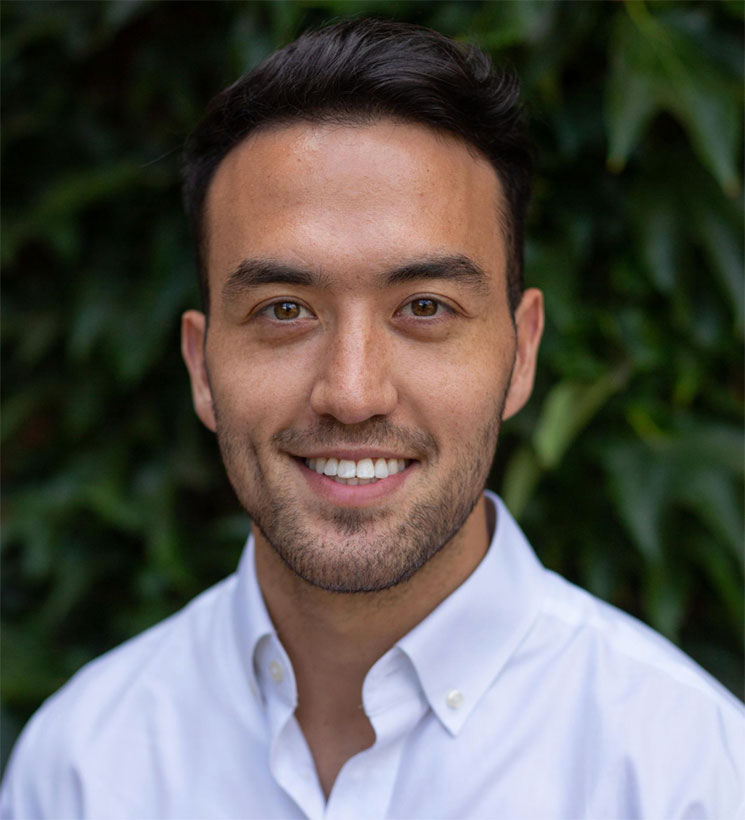
Sean
Founder, Succeed
Talk it through with Sean
“I can help you compare the programmes you're considering, think through the practicalities and work out what makes sense for you.”
20 minutes · No obligation to enrol
A practical overview of cost, accommodation, meals, dates and provider details to review before deciding.
Cost and what is included
$5,798 residential; $3,298 commuter; includes Residential: all meals, lodging, course and excursions., Residential: weekend excursions and campus programming., Commuter: lunch, course, excursions and weekday programming., Need-based scholarship applications are available..
Accommodation
Residential or commuter
Meals
All meals residential; lunch commuter
Provider details
Review the Summer Springboard provider page and official sources before making a final decision.
Dates and logistics
2 weeks; Santa Barbara, California, United States.
What to check before committing
Confirm current dates, payment terms, travel arrangements, cancellation rules and what is included with the provider.
Compare this program with similar options before deciding on dates, cost, format and fit.
Compare with similar programsEffort level
Moderate to high academic engagement.
Best started
Begin six to eight weeks before the application deadline.
Main challenge
Moving between biological concepts, statistical thinking and R-based analysis.
Review foundational genetics, ecology and descriptive statistics before the course.
Try a beginner R tutorial so the programming environment feels familiar.
Prepare application information and required documents early, with the student available to complete their portion.
Useful if
You have basic confidence in school science and working with data.
Students investigate biological questions through computational analysis, combining dataset work with career exploration and potential field-based learning.
Learn how bioinformatics connects biology, computer science and statistics.
Access and process real-world genetic and environmental datasets.
Analyze data using modern bioinformatics tools and R programming.
Interpret patterns related to ecology, evolution, conservation and health.
Visualize results and communicate analytical findings clearly.
Connect the work with scientific careers and potential course-specific excursions.
Next cycle not announced yet. These dates are from the latest verified cycle and should be used as a reference only.
Applications
Rolling admissions
Programme dates
19-31 July 2026
| Milestone | Date | Timezone | Status | |
|---|---|---|---|---|
Applications | Rolling admissions | Local | Reference date | |
Programme dates | 19-31 July 2026 | Local | Reference date |
Open to students in Grades 9-12.
Starting high school in the fall is permitted.
Recent spring graduates may also enroll.
A 3.0 GPA or equivalent is required.
International students must demonstrate English proficiency.
Students must meet the Essential Eligibility Criteria.
Program tuition
$3,298; $5,798 — Commuter and residential options respectively.
Funding or discounts
What's included
Residential: all meals, lodging, course and excursions., Residential: weekend excursions and campus programming., Commuter: lunch, course, excursions and weekday programming., Need-based scholarship applications are available.
Open the official application portal and enter basic contact information.
Confirm the verification email and complete the account details.
Choose Create New Application from the dashboard.
Select UC Santa Barbara, the session, this course and a tuition type.
Enter the student's information with the student present.
Pay the $600 deposit and application fee, then submit the application.
Complete any additional forms or supporting documentation requested after review.
Next step with Succeed
or let us know if .
Succeed replies first, usually within a working day
The program covers the following focus areas.
Genetic data analysis
Access, process and interpret real-world genetic datasets.
Computational biology
Connect molecular ecology with computer science and statistics.
R and bioinformatics tools
Use R and modern tools to investigate biological questions.
Scientific communication
Visualize data and present analytical findings clearly.
Applied bioinformatics
Explore applications in conservation, healthcare and biotechnology.
Curriculum may be adjusted based on participant interests and current developments.
A typical day during the program.
Classes normally run from 9 a.m. to noon.
Academic excursions or recreational activities begin around 1:30 p.m.
College-readiness or True You workshops follow later in the day.
Residential students join clubs or scheduled evening activities.
The named instructor, Hayley Goss, is a marine molecular ecologist and PhD candidate at UC Santa Barbara. Her research uses genetic data and bioinformatic analysis to study how environmental conditions and human-made structures influence populations across ecosystems.
Her teaching connects molecular biology, data analysis and applied conservation.
Rooms are double or triple occupancy with shared bathrooms and no air conditioning; small fans are permitted.
After completing this program, participants often pursue:
Build foundations for further study in bioinformatics or computational biology.
Develop R, data-visualization and scientific-communication skills.
Explore careers in conservation genetics and bioinformatics analysis.
Connect biological data work with healthcare and biotechnology research.
Use the experience to test interest in interdisciplinary science.
The course does not state that it awards academic credit or a certificate.
The course takes place on the UC Santa Barbara campus in Santa Barbara, California, close to the Pacific Ocean. Residential students live in Manzanita Village, while campus activities and possible subject-specific excursions connect the academic course with the wider Santa Barbara area.
Summer Springboard states that the program is not run by UC Santa Barbara.
Compare these related science programs if you want a different subject emphasis, location or age range.
Cambridge biotechnology study with research methods
Best for
Older students prioritizing biotechnology and Cambridge study.
Cambridge biology study with research methods
Best for
Students seeking biology without a dedicated bioinformatics emphasis.
Modern science methods and questions for younger students
Best for
Younger students still exploring across scientific subjects.
Save this program in Succeed to compare it with similar programs, dates, costs and formats in one place.
Compare with other programsContent reviewed by
Co-founder, Succeed | Founder, Immerse Education (2012–2026)
Sean works at the intersection of academic enrichment, program quality and university preparation, with expertise in evaluating pre-university experiences for ambitious secondary school students.
Succeed uses official provider information where available, but keeps this public page focused on comparison and planning inside Succeed.
Course details checked
Dates and tuition reviewed
Eligibility requirements verified
Application steps checked
Housing and meals reviewed
Policies and funding checked
We use source material to verify core facts, then show older cycle dates as reference when a current cycle is not available. Always check current application instructions before applying.
DNA, Data and Discovery High School Course
by Summer Springboard
Get the full picture before you decide
Succeed's assessment, estimated total cost and what applying involves.
No account needed for the Guide or Compare.