
Applications
Rolling admissions

A hands-on marine science course combining fieldwork, data analysis and ecosystem study with expert-led career exploration.
See Succeed's assessment of the programme, who it may suit, the estimated total cost, what applying involves and what is still to confirm.
or let us know if .
What Succeed checks
We review public program details such as eligibility, age range, cost, duration, location, format, accommodation, meals and application timing.
What Last verified means
Last verified is the latest date Succeed checked the public details shown on this page. Program dates, prices and availability can still change.
How official sources are used
Succeed uses official provider information where available, then rewrites it into a student-facing summary for comparison and planning.
Why some dates are reference dates
If the current cycle is not available, Succeed may show the latest verified cycle dates so you can understand typical timing.
Succeed is independent from this provider unless a partnership is clearly stated.
Current status
Applications open
Eligibility
Grades 9-12; 3.0 GPA
Age range / Year group
Ages 14-18
Location / Region
Santa Barbara, California, United States
Cost
$3,298; $5,798
Duration
2 weeks
Format
In-person
This pre-college course introduces marine ecosystems through field study, direct contact with marine life and practical scientific work.
Students investigate habitats, biodiversity and threats to ocean health while developing sampling, data-analysis and interpretation skills.
It suits students exploring marine biology, oceanography, environmental science or conservation who want applied learning and career insight.
The Marine Science & Ecology High School Course is a hands-on pre-college program from Summer Springboard. It examines marine habitats, organisms, ecological relationships and the natural and human pressures affecting ocean systems.
Students conduct fieldwork, collect and analyze data, study marine vertebrates and invertebrates, and learn from specialists working in the field. The wider campus program combines academic study with excursions, college-readiness workshops and student activities.
Fieldwork and direct engagement with marine environments move learning beyond classroom theory.
Sampling, data analysis and interpretation introduce students to core marine research practices.
The course connects ecological science with current challenges affecting ocean health and biodiversity.
Career exploration covers marine biology, oceanography, environmental science and conservation.
Residential and commuter options give families two ways to access the campus experience.
Students curious about marine biology, ecology, conservation or oceanography who enjoy practical science and field-based learning.
You want a credit-bearing course, a fully online experience or a program focused mainly on lectures and examinations.
It can be worthwhile for a student who wants to test a serious interest in marine science through fieldwork rather than rely only on school-based theory. The combination of sampling, ecosystem analysis, expert insight and career exploration creates useful material for later academic reflection.
The main limitation is that the course does not provide college credit at this campus. Its value therefore depends on active participation and on whether the student can explain what they learned, rather than treating the campus name or completion certificate as the outcome.
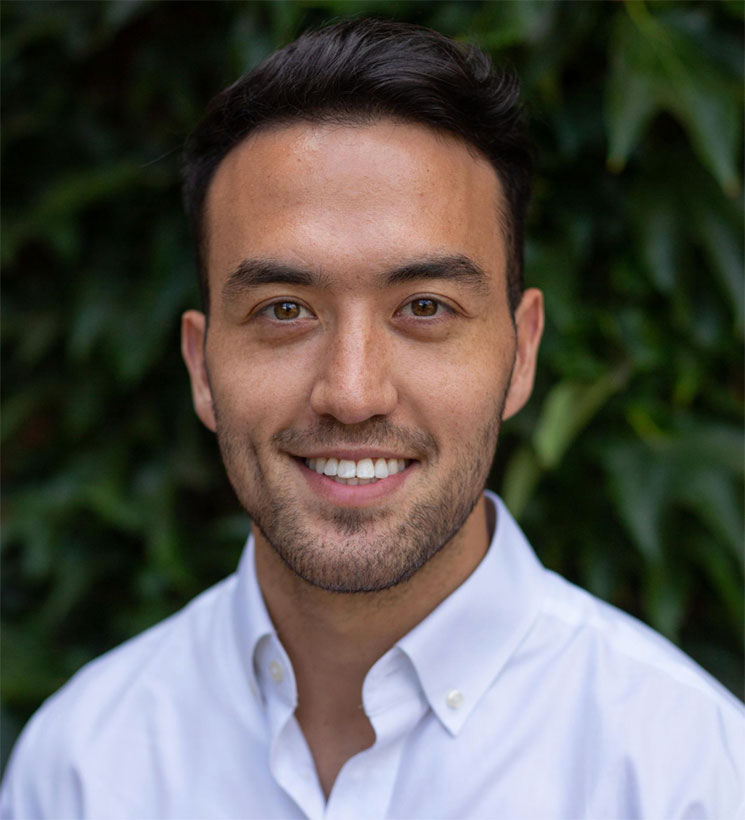
Sean
Founder, Succeed
Talk it through with Sean
“I can help you compare the programmes you're considering, think through the practicalities and work out what makes sense for you.”
20 minutes · No obligation to enrol
A practical overview of cost, accommodation, meals, dates and provider details to review before deciding.
Cost and what is included
$3,298; $5,798; includes Residential tuition includes lodging, all meals and the academic course., Residential tuition includes excursions and weekend excursions., Commuter tuition includes lunch, the academic course and excursions., Commuters join weekday programming from 9:00am to 5:00pm., Students receive a completion certificate and professor recommendation letter..
Accommodation
On-campus residence hall
Meals
Full board for residents
Provider details
Review the Summer Springboard provider page and official sources before making a final decision.
Dates and logistics
2 weeks; Santa Barbara, California, United States.
What to check before committing
Confirm current dates, payment terms, travel arrangements, cancellation rules and what is included with the provider.
Compare this program with similar options before deciding on dates, cost, format and fit.
Compare with similar programsEffort level
High
Best started
Begin six to eight weeks before the published admission deadline to prepare the application, payment and required forms.
Main challenge
Balancing scientific field study with a full residential or commuter schedule.
Review the eligibility and essential participation criteria with a parent or guardian.
Prepare concise examples of your interest in marine science for the short-answer questions.
Plan for the deposit, application fee, tuition and mandatory course supplement.
International applicants should prepare for the English interview or gather an accepted test score.
Useful if
You are comfortable collecting data, working outdoors and discussing environmental problems.
Students combine marine ecology study with practical field and data work, then connect their findings to environmental challenges and possible careers.
Study ocean habitats ranging from rocky shores to coral reefs.
Examine the biology and anatomy of marine vertebrates and invertebrates.
Conduct fieldwork and collect information from marine environments.
Use sampling, data analysis and interpretation to assess ecosystem health.
Investigate natural processes and human threats affecting ocean systems.
Meet experts and explore careers in marine science and conservation.
Applications
Rolling admissions
Programme dates
18-30 July 2027
| Milestone | Date | Timezone | Status | |
|---|---|---|---|---|
Applications | Rolling admissions | Local | Date not confirmed | |
Programme dates | 18-30 July 2027 | Local | Upcoming |
Open to students in Grades 9-12
Rising ninth graders may apply
Spring high school graduates may apply
Minimum 3.0 GPA or local equivalent
International applicants need English proficiency
Students must meet essential participation criteria
Program tuition
$3,298-$5,798 — Commuter and residential options
Funding or discounts
What's included
Residential tuition includes lodging, all meals and the academic course., Residential tuition includes excursions and weekend excursions., Commuter tuition includes lunch, the academic course and excursions., Commuters join weekday programming from 9:00am to 5:00pm., Students receive a completion certificate and professor recommendation letter.
Open the application portal and enter basic contact information.
Confirm the verification email and complete the account details.
Choose Create New Application from the dashboard.
Select UC Santa Barbara, the session, Marine Science and Ecology, and a tuition type.
Complete the student information and short-answer questions with the student present.
Submit signed agreements and any requested supporting documentation.
Pay the deposit and application fee, then submit the completed application.
Look for the enrollment decision by email after the application review.
Next step with Succeed
or let us know if .
Succeed replies first, usually within a working day
The program covers the following focus areas.
Marine ecosystems
Study habitats and organisms from rocky shores and coral reefs to plankton and marine mammals.
Marine biology
Explore the biology and anatomy of marine vertebrates and invertebrates.
Field research
Practice fieldwork, sampling, data collection and ecosystem observation.
Ecosystem health
Analyze data and interpret the health and biodiversity of marine systems.
Ocean challenges
Investigate natural processes and human pressures affecting marine life.
Curriculum may be adjusted based on participant interests and current developments.
A typical day during the program.
Course study typically runs from 9:00am to 12:00pm.
A recreational activity or academic excursion begins around 1:30pm.
Workshops or the True You curriculum begin around 3:00pm.
Residents join clubs or evening activities after dinner.
The named instructor, Julia Cox, is a marine ecology PhD student at UC Santa Barbara whose research examines human impacts on kelp forest ecosystems. Her experience includes SCUBA-based field surveys and previous research work with Woods Hole Oceanographic Institution.
Summer Springboard describes its wider teaching model as using industry professionals and expert faculty rather than university students as instructors.
Rooms do not have air conditioning, although the coastal climate is described as mild and students may bring a small fan.
After completing this program, participants often pursue:
Use field and lab research experience to explore further study in marine biology or ecology.
Build informed interest in oceanography, environmental science and conservation careers.
Receive a completion certificate after finishing the program.
Receive a professor recommendation letter after program completion.
Reflect on fieldwork and environmental analysis in future academic applications.
The course does not provide college credit at UC Santa Barbara.
The program is based on the UC Santa Barbara campus in Santa Barbara, California. Students learn on a coastal campus near the Pacific Ocean, with course-related excursions and access to local destinations including the waterfront and downtown Santa Barbara.
Summer Springboard states that the program is not run or controlled by UC Santa Barbara.
Compare these related science programs if you want a different subject emphasis, campus or age range.
Environmental science and sustainability in Cambridge
Best for
Students seeking broader environmental study beyond marine ecosystems.
Modern science methods and questions
Best for
Younger students still comparing several scientific fields.
University-style biology study in Cambridge
Best for
Students who prefer general biology over a marine specialization.
Save this program in Succeed to compare it with similar programs, dates, costs and formats in one place.
Compare with other programsContent reviewed by
Co-founder, Succeed | Founder, Immerse Education (2012–2026)
Sean works at the intersection of academic enrichment, program quality and university preparation, with expertise in evaluating pre-university experiences for ambitious secondary school students.
Succeed uses official provider information where available, but keeps this public page focused on comparison and planning inside Succeed.
Course details checked
Eligibility reviewed
Tuition verified
Session dates checked
Accommodation reviewed
Application process checked
Policies reviewed
We use source material to verify core facts, then show older cycle dates as reference when a current cycle is not available. Always check current application instructions before applying.
Marine Science & Ecology High School Course
by Summer Springboard
Get the full picture before you decide
Succeed's assessment, estimated total cost and what applying involves.
No account needed for the Guide or Compare.