
Applications
Rolling admissions

A hands-on oncology course exploring cancer biology, treatment planning, compassionate patient care and medical careers through case studies and professional mentorship.
See Succeed's assessment of the programme, who it may suit, the estimated total cost, what applying involves and what is still to confirm.
or let us know if .
What Succeed checks
We review public program details such as eligibility, age range, cost, duration, location, format, accommodation, meals and application timing.
What Last verified means
Last verified is the latest date Succeed checked the public details shown on this page. Program dates, prices and availability can still change.
How official sources are used
Succeed uses official provider information where available, then rewrites it into a student-facing summary for comparison and planning.
Why some dates are reference dates
If the current cycle is not available, Succeed may show the latest verified cycle dates so you can understand typical timing.
Succeed is independent from this provider unless a partnership is clearly stated.
Current status
Applications open
Eligibility
Grades 9-12; 3.0 GPA
Age range / Year group
Ages 14-18
Location / Region
New Haven, Connecticut, United States
Cost
$4,298; $2,498
Duration
1 week
Format
In-person
Application deadline
Rolling · Next cycle not announced yet. These dates are from the latest verified cycle and should be used as a reference only.
Save programThis intensive course introduces the science of cancer alongside the compassionate, interdisciplinary work involved in patient care.
Students examine cell samples, discuss anonymized cases and work through treatment-planning scenarios while exploring prevention, clinical trials and major treatment approaches.
It best suits students seriously considering medicine, nursing, cancer research or another healthcare pathway who want practical exposure before choosing a university subject.
The Oncology High School Course is a Summer Springboard course focused on cancer biology, diagnosis, prevention and treatment. It considers chemotherapy, radiation, surgery and immunotherapy while examining how multidisciplinary medical teams support patients and families.
Students learn through microscope work, anonymized case discussions and treatment-planning scenarios. Professional mentorship and contact with cancer-care specialists connect the science with clinical practice, research pathways and the human demands of oncology.
The course connects foundational cancer science with the communication and compassion required in patient care.
Microscope work, anonymized cases and treatment-planning scenarios make the learning more applied than a lecture-only introduction.
Students explore several oncology careers by meeting medical oncologists, radiation therapists and cancer researchers.
Published instructors bring direct nursing, hematology-oncology, cellular-therapy and professional-development experience.
Residential and commuter pathways let families choose between a fuller campus experience and weekday participation.
Motivated students exploring medicine, nursing, cancer research or patient-facing healthcare who want an applied introduction to oncology.
You want advanced laboratory research, formal college credit or a course focused solely on technical cancer biology without patient-care context.
It can be worthwhile for a student who wants to test a serious interest in oncology before committing to a medical or healthcare pathway. The combination of cancer science, clinical cases, career contact and patient-care discussion offers a broader view than subject reading alone.
The main limitation is the short format: one week can provide informed exposure, but not deep laboratory training or a substantial independent research output. Families should also weigh the tuition, mandatory course supplement and travel costs against less expensive medical enrichment options.
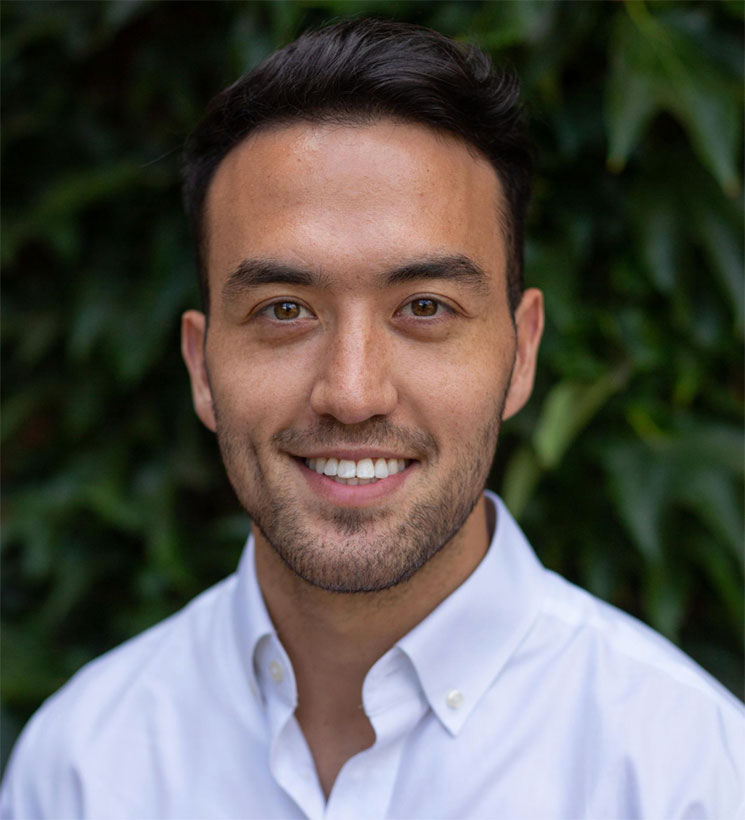
Sean
Founder, Succeed
Talk it through with Sean
“I can help you compare the programmes you're considering, think through the practicalities and work out what makes sense for you.”
20 minutes · No obligation to enrol
A practical overview of cost, accommodation, meals, dates and provider details to review before deciding.
Cost and what is included
$4,298; $2,498; includes Residential tuition includes the academic course, lodging, meals and excursions., Commuter tuition includes the academic course, lunch and excursions., Commuter weekday programming runs from 9:00am to 5:00pm., Residential students attending multiple sessions receive between-session excursions..
Accommodation
Residential or commuter
Meals
3 daily residential; lunch commuter
Provider details
Review the Summer Springboard provider page and official sources before making a final decision.
Dates and logistics
1 week; New Haven, Connecticut, United States.
What to check before committing
Confirm current dates, payment terms, travel arrangements, cancellation rules and what is included with the provider.
Compare this program with similar options before deciding on dates, cost, format and fit.
Compare with similar programsEffort level
Moderate to high academic intensity.
Best started
Begin planning six to eight weeks before the intended session, allowing longer for travel documents, funding or medical paperwork.
Main challenge
Connecting complex cancer science with realistic treatment and patient-care decisions.
Review core cell biology, genetics and the purpose of clinical trials.
Prepare questions about medical training, research careers and patient communication.
Complete application, payment and required forms early enough for review.
Residential students should plan travel, health documentation and campus packing in advance.
Useful if
You have basic biology knowledge and a genuine interest in healthcare.
The week combines foundational teaching, practical observation, clinical cases and career exploration. Activities connect biological mechanisms with treatment choices and the experience of patients and families.
Build a foundation in how cancer develops, spreads and is diagnosed.
Compare chemotherapy, radiation, surgery and immunotherapy.
Examine cancer cell samples under microscopes.
Discuss anonymized patient cases and treatment-planning scenarios.
Explore clinical trials, prevention, lifestyle factors and genetic testing.
Meet oncology and cancer-research professionals to discuss career pathways.
Next cycle not announced yet. These dates are from the latest verified cycle and should be used as a reference only.
Applications
Rolling admissions
Session 3
28 June-4 July 2026
Session 6
19-25 July 2026
| Milestone | Date | Timezone | Status | |
|---|---|---|---|---|
Applications | Rolling admissions | Local | Reference date | |
Session 3 | 28 June-4 July 2026 | Local | Reference date | |
Session 6 | 19-25 July 2026 | Local | Reference date |
Open to students in Grades 9-12.
Students starting high school in fall may apply.
Recent high school graduates may apply.
Minimum 3.0 GPA or local equivalent.
International students must demonstrate English proficiency.
Applicants must meet Essential Eligibility Criteria.
First-week tuition
$4,298 residential; $2,498 commuter — Two attendance options are published.
Funding or discounts
What's included
Residential tuition includes the academic course, lodging, meals and excursions., Commuter tuition includes the academic course, lunch and excursions., Commuter weekday programming runs from 9:00am to 5:00pm., Residential students attending multiple sessions receive between-session excursions.
Open the application portal and enter basic contact information.
Confirm the verification email and complete the account details.
Choose Create New Application from the dashboard.
Select the Yale campus, preferred session, Oncology course and tuition type.
Complete the student information, short answers and signed agreements with the student present.
Pay the $600 deposit and applicable application fee, then submit the completed application.
Monitor email for the decision and any additional required forms.
Next step with Succeed
or let us know if .
Succeed replies first, usually within a working day
The program covers the following focus areas.
Cancer biology
Study how cancer develops, spreads and differs from normal cell behavior.
Diagnosis and treatment
Compare diagnosis and major approaches including chemotherapy, radiation, surgery and immunotherapy.
Patient-centered care
Explore communication with patients and families alongside compassionate cancer care.
Research and clinical trials
Learn how treatments are developed, evaluated and tested through clinical trials.
Prevention and careers
Examine prevention strategies, genetic testing and routes into oncology professions.
Curriculum may be adjusted based on participant interests and current developments.
A typical day during the program.
Morning teaching includes a 15-minute break before the second class period.
Course-linked field experiences or laboratory activities connect learning with practice.
Commuter students leave while residential programming continues.
Evening activities, free time and a 9:30pm dorm check complete the day.
Published instructors Christina Matousek and Kylie Kuck bring nursing, oncology care, clinical education and professional-development experience. Their backgrounds include work connected with Smilow Cancer Hospital and Yale New Haven Hospital.
The wider course experience also introduces students to medical oncologists, radiation therapists and cancer researchers.
Yale residential colleges are not air-conditioned; Summer Springboard provides fans.
After completing this program, participants often pursue:
Use the experience to test interest in medicine, nursing or cancer research.
Build informed talking points for later healthcare applications and interviews.
Develop a clearer understanding of interdisciplinary cancer care.
Receive a completion certificate after finishing the program.
Receive a professor-completed recommendation letter.
The Yale course does not carry college credit.
The program is based on the Yale University campus in New Haven, Connecticut, with academic teaching, dining and residential life organized around the campus setting. Course-linked experiences may use laboratories, professional facilities or medical institutions in the New Haven area.
Summer Springboard is operated independently of Yale University and is not sponsored or endorsed by Yale.
Compare broader medicine programs, younger-student options and longer medical summer courses before choosing a specialist oncology experience.
Wider medicine course on a New Haven campus
Best for
Students wanting breadth before choosing a specialty
Medicine and healthcare career exploration in Atlanta
Best for
Students considering several healthcare careers
Introductory medicine experience for younger students
Best for
Students aged 12-14 beginning medical exploration
Medical summer study with broader academic skills
Best for
Students wanting a two-week medical course
Save this program in Succeed to compare it with similar programs, dates, costs and formats in one place.
Compare with other programsContent reviewed by
Co-founder, Succeed | Founder, Immerse Education (2012–2026)
Sean works at the intersection of academic enrichment, program quality and university preparation, with expertise in evaluating pre-university experiences for ambitious secondary school students.
Succeed uses official provider information where available, but keeps this public page focused on comparison and planning inside Succeed.
Course details checked
Session dates reviewed
Tuition options verified
Eligibility criteria reviewed
Campus arrangements checked
Application process verified
Policies reviewed
We use source material to verify core facts, then show older cycle dates as reference when a current cycle is not available. Always check current application instructions before applying.
Oncology High School Course
by Summer Springboard
May qualify for the £300 Succeed Programme Award.
Get the full picture before you decide
Succeed's assessment, estimated total cost and what applying involves.
No account needed for the Guide or Compare.