
Application deadline
3 July 2026
5 p.m. Pacific time; program dates 13–31 July 2026.

UCLA’s Critical Thinking program connects logic and argument analysis with media literacy, responsible AI use, and research writing through lectures, discussions, and practical coursework.
See Succeed's assessment of the programme, who it may suit, the estimated total cost, what applying involves and what is still to confirm.
or let us know if .
What Succeed checks
We review public online program details such as eligibility, age range, cost, duration, learning format, scheduling, mentor model, outputs and application timing.
What Last verified means
Last verified is the latest date Succeed checked the public details shown on this page. Program dates, prices and availability can still change.
How official sources are used
Succeed uses official provider information where available, then rewrites it into a student-facing summary for comparison and planning.
Why some dates are reference dates
If the current cycle is not available, Succeed may show the latest verified cycle dates so you can understand typical timing.
Succeed is independent from this provider unless a partnership is clearly stated.
Current status
Upcoming
Eligibility
Grades 9–12; GPA 3.2+
Age range / Year group
Ages 15-18
Location / Region
Online
Cost
$2,740
Duration
3 weeks
Format
Online
Latest deadline
3 July 2026 · Next cycle not announced yet. These dates are from the latest verified cycle and should be used as a reference only.
Get next-cycle reminderCritical Thinking combines philosophical reasoning with practical media analysis. UCLA teaching and a University of Queensland workshop connect argument evaluation with journalism and research writing.
Students test ideas through discussions, short problem sets, and a final research article. The program suits learners who want to understand why arguments work and apply that understanding to what they read and write.
Critical Thinking is a UCLA Summer Sessions academic program connecting philosophy and reasoning with contemporary media. Students study logic, probability theory, the psychology of reasoning, and responsible and creative use of AI through live online lectures and discussions.
A media literacy and journalism workshop led by University of Queensland experts adds a practical writing dimension. Students work with program staff and peers on short problem sets and a final research article, applying argument analysis to a focused question.
The curriculum connects formal logic with media literacy, giving students a practical setting for testing arguments.
A final research article turns abstract reasoning into a concrete piece of writing.
UCLA faculty and teaching assistants contribute academic depth alongside University of Queensland workshop expertise.
Philosophy 9 offers assessed university coursework rather than participation alone.
Students who enjoy questioning claims and want to connect philosophy, media analysis, and research writing.
You need self-paced study or want a campus experience, because the program requires live online attendance and assessed coursework.
The strongest reason to choose this program is its combination of reasoning practice and substantive writing. Problem sets, a research article, and an exam give students several ways to test their understanding rather than simply listen to lectures.
The live timetable is a substantial commitment, so fit depends on whether those sessions work with family plans and other responsibilities. UCLA credit adds academic value, but transfer is determined by the receiving institution, and attendance does not confer an admissions advantage at UCLA or another UC campus.
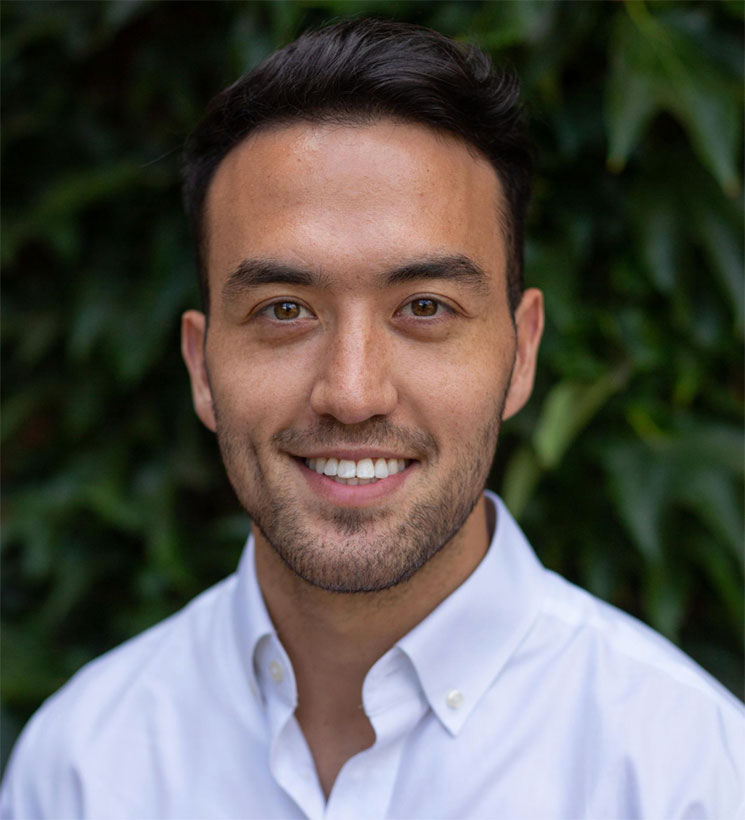
Sean
Founder, Succeed
Talk it through with Sean
“I can help you compare the programmes you're considering, think through the practicalities and work out what makes sense for you.”
20 minutes · No obligation to enrol
A practical overview of cost, time commitment, provider details, student outcomes and online support to review before deciding.
Cost and what is included
$2,740; includes Philosophy 9 coursework and its unit fees., Lectures and informal discussion sections., Media literacy and publishing workshop., Required readings available free on Bruin Learn..
Dates and time commitment
3 weeks; Weekdays 10–11, 12–2; Tuesday–Thursday 3–4.
Provider details
Review the UCLA Summer Sessions provider page and official sources before making a final decision.
What the student gains
Potential output: The main written output is a final research article, developed through reasoning and media-literacy work.. Check whether feedback, certificate, recommendation or application evidence is included.
Online support and safeguarding
Eligible California students may qualify for full or partial Summer Scholars Support or a Department of Philosophy scholarship. These have separate eligibility requirements, and funding does not cover every potential expense.
What to check before committing
Confirm current dates, session schedule, payment terms, cancellation rules, support expectations and what output or certificate is included with the provider.
Compare this program with similar options before deciding on dates, cost, format and fit.
Compare with similar programsEffort level
High for a short summer course.
Best started
Allow at least four to six weeks before a future application deadline for documents, review, and payment planning.
Main challenge
Balancing live attendance with research writing and exam preparation.
Gather your transcript and any available grading-equivalency guide before starting the application.
Draft a short, original explanation of why the subject interests you.
Convert the Pacific-time timetable to your local time and compare it with other commitments.
If seeking funding, prepare scholarship documents early enough to accommodate the program’s three-week admission review.
Useful if
You want structured practice evaluating claims and developing a written argument.
You move between lectures, UCLA-team sessions, and media literacy workshops, applying reasoning concepts through discussion and written work. Short problem sets and a final research article provide practical assignments, with a final exam scheduled in the last week.
Attend lectures on reasoning, logic, probability, and argument evaluation.
Join UCLA-team sessions and informal discussions.
Practice assessing media and developing a focused research question.
Complete short problem sets with support from staff and peers.
Prepare a final research article and complete the final exam.
Next cycle not announced yet. These dates are from the latest verified cycle and should be used as a reference only.
Application deadline
3 July 2026
5 p.m. Pacific time; program dates 13–31 July 2026.
Programme dates
13-31 July 2026
Enrollment completion
10 July 2026
Noon Pacific time.
Final exam
31 July 2026
Noon–2 p.m. Pacific time.
Course event
31 July 2026
3–4 p.m. Pacific time.
| Milestone | Date | Timezone | Status | |
|---|---|---|---|---|
Application deadline | 3 July 2026 | Local | Reference date | |
Programme dates | 13-31 July 2026 | Local | Reference date | |
Enrollment completion | 10 July 2026 | Local | Reference date | |
Final exam | 31 July 2026 | Local | Reference date | |
Course event | 31 July 2026 | Local | Reference date |
Grades 9–12 in Spring 2026.
At least 15 years old by 22 June 2026.
Cumulative GPA of 3.2 or higher.
Unofficial transcript from grade 9 to present.
Short, original value statement explaining interest.
Transcript translation or equivalency guide, if available.
Program fee
$2,740 — High school student option; includes coursework unit fees.
Funding or discounts
What's included
Philosophy 9 coursework and its unit fees., Lectures and informal discussion sections., Media literacy and publishing workshop., Required readings available free on Bruin Learn.
Prepare your unofficial transcript and short, original value statement.
Use the official registration form and select Summer Precollege Focus Series, then Critical Thinking.
Complete the questions and upload all required application materials.
Allow up to three weeks for an admission decision by email.
After admission, follow the acceptance instructions to make required payments and complete the waiver and participant agreement.
Verify your remaining balance through MyUCLA and BruinBill.
Next step with Succeed
or let us know if .
Succeed replies first, usually within a working day
Classes meet live on Zoom: UCLA-team PLF sessions run Monday–Friday from 10–11 a.m., with lecture slots from noon–2 p.m. and media literacy workshops Tuesday–Thursday from 3–4 p.m., in Pacific time. The reference timetable totals 55 scheduled hours across three weeks, including the final exam and end-of-course event; problem sets and research writing also form part of the coursework.
The timetable is tentative, and enrolled students receive updated materials closer to the start.
UCLA faculty and teaching assistants lead lectures and informal discussions.
Program staff and peers support work on problem sets and the final article.
Program director John Kardosh researches logic and reasoning and has received UCLA teaching awards.
Professor Calvin Normore contributes philosophy expertise, including logic and the history of philosophy.
University of Queensland lecturer Yael Leibovitch specializes in critical thinking, writing, and dialogue.
Students can seek help from instructors and teaching assistants during office hours.
Join live sessions through Zoom using links from the program coordinator.
Access required readings through the Bruin Learn course page.
Use a computer or tablet for optional web-application practice outside class.
Assessment combines short problem sets, a final research article, and a final exam, with a letter grade awarded by default.
Main deliverable / output
The main written output is a final research article, developed through reasoning and media-literacy work.
Completed short problem sets.
5 UCLA units in Philosophy 9 upon successful completion.
Course grade recorded on a UCLA transcript.
Compare these related programs if your interests lean toward broader philosophy, journalism, or political discussion.
Philosophy, politics, and economics study in Cambridge
Best for
Students considering philosophy alongside politics and economics.
Journalism summer study in Cambridge
Best for
Students especially interested in the journalism dimension.
Online study of politics and international relations
Best for
Students drawn to political arguments and international affairs.
Save this program in Succeed to compare it with similar programs, dates, costs and formats in one place.
Compare with other programsContent reviewed by
Co-founder, Succeed | Former secondary teacher and educational leader
Ben works at the intersection of education, technology and school adoption, with expertise in how secondary schools evaluate data-driven tools and how education technology is used in practice.
Succeed uses official provider information where available, but keeps this public page focused on comparison and planning inside Succeed.
Program requirements reviewed
Application deadline verified
Weekly timetable reviewed
Fee components distinguished
Scholarship criteria reviewed
Credit conditions reviewed
We use source material to verify core facts, then show older cycle dates as reference when a current cycle is not available. Always check current application instructions before applying.
Critical Thinking Summer Precollege Focus Series
by UCLA Summer Sessions
Get the full picture before you decide
Succeed's assessment, estimated total cost and what applying involves.
No account needed for the Guide or Compare.