
TEJ2O Fall 2025 Hybrid application deadline
8 September 2025
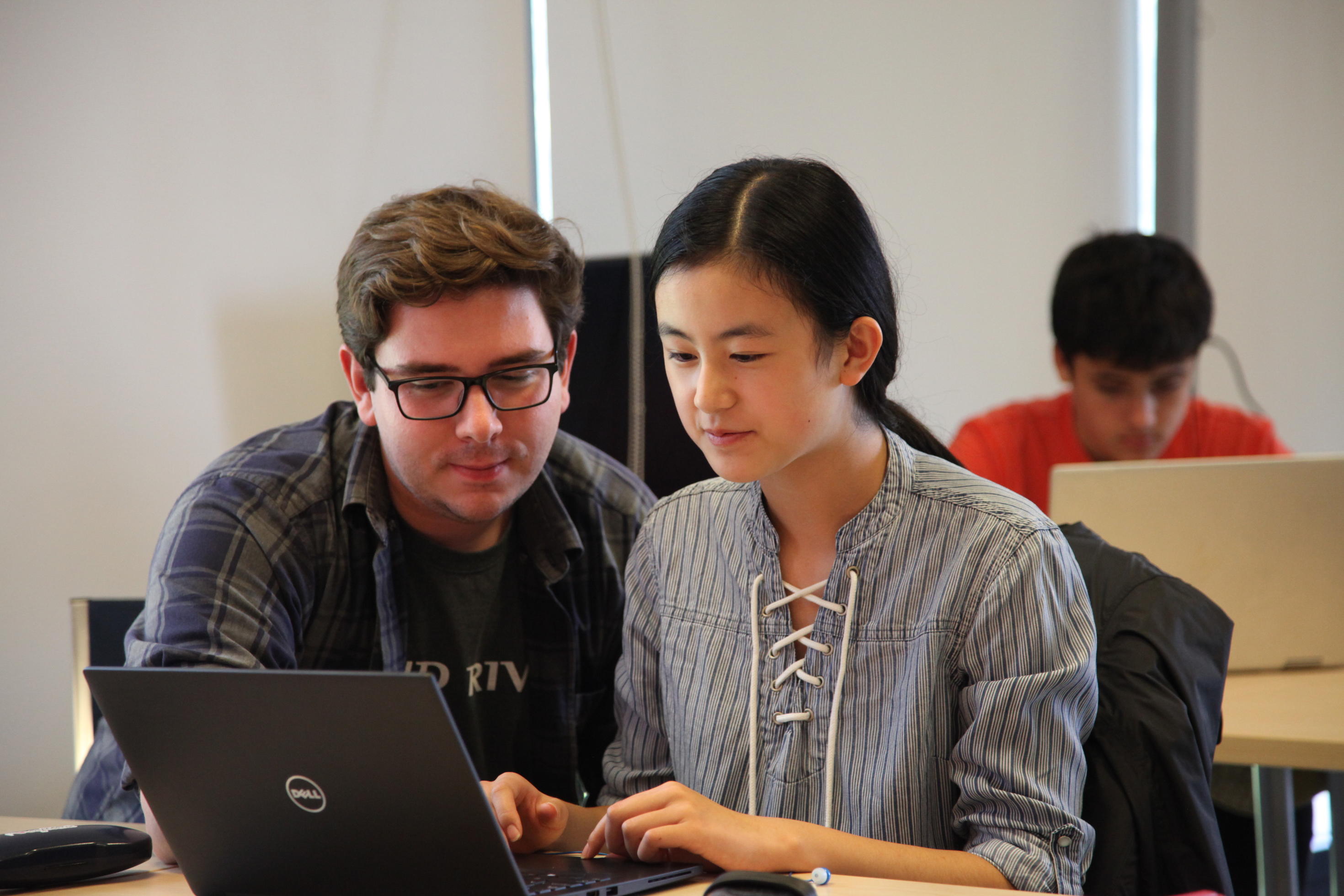
by University of Ottawa Engineering Outreach
A practical computing course combining quantum computing, AI, and cybersecurity through Python programming, electronic circuits, and simulated cyber response.
See Succeed's assessment of the programme, who it may suit, the estimated total cost, what applying involves and what is still to confirm.
or let us know if .
What Succeed checks
We review public program details such as eligibility, age range, cost, duration, location, format, accommodation, meals and application timing.
What Last verified means
Last verified is the latest date Succeed checked the public details shown on this page. Program dates, prices and availability can still change.
How official sources are used
Succeed uses official provider information where available, then rewrites it into a student-facing summary for comparison and planning.
Why some dates are reference dates
If the current cycle is not available, Succeed may show the latest verified cycle dates so you can understand typical timing.
Succeed is independent from this provider unless a partnership is clearly stated.
Current status
Upcoming
Eligibility
Grades 8-12
Age range / Year group
Ages 13-18
Location / Region
Ottawa, Canada
Cost
$975
Duration
4 weeks
Format
In-person
Latest deadline
17 June 2026 · Next cycle not announced yet. These dates are from the latest verified cycle and should be used as a reference only.
Get next-cycle reminderTEJ2O connects everyday computer technology with quantum computing, artificial intelligence, and cybersecurity through practical projects.
Students write Python code, build circuits, explore quantum simulators, and practice cyber response before creating an AI device.
It suits learners who enjoy testing ideas, troubleshooting hardware and software, and discussing how technology affects society.
TEJ2O is a project-based computer technology course offered by the University of Ottawa's Faculty of Engineering Secondary School. It follows Ontario curriculum expectations while connecting computer systems, networking, electronics, and robotics with quantum computing, artificial intelligence, and cybersecurity.
Students move from classical computing fundamentals into Python programming, quantum circuits, and realistic cyber response scenarios. Summer teaching takes place on campus, while the historical fall option combines live online lessons with campus Saturdays. Practical work culminates in an AI device that responds to external stimuli.
The curriculum connects classical computing foundations to quantum circuits, making emerging technology less abstract.
Cyber Range scenarios give students a practical way to investigate cyberattacks and data protection.
The final AI device requires students to combine programming, electronics, and an iterative design process.
Ethical, environmental, and societal questions sit alongside technical work rather than appearing only as an afterthought.
Students who want to connect coding with circuits, networks, and emerging technology through practical work.
You want to focus exclusively on advanced AI theory or need entirely self-paced study.
TEJ2O offers a useful combination of computing foundations and tangible project work. Its strongest feature is the opportunity to apply concepts through circuits, quantum simulators, and cyber response, then demonstrate learning in an AI device.
The broad curriculum is an introduction across several fields, so students seeking deep specialization should consider a narrower course. Families also need to weigh the intensive summer timetable or the hybrid option's weekly independent work against other commitments.
A practical overview of cost, accommodation, meals, dates and provider details to review before deciding.
Cost and what is included
$975; includes Access to all course materials., Access to required course software., Access to required equipment., No textbook purchase required..
Provider details
Review the University of Ottawa Engineering Outreach provider page and official sources before making a final decision.
Dates and logistics
4 weeks; Ottawa, Canada.
What to check before committing
Confirm current dates, payment terms, travel arrangements, cancellation rules and what is included with the provider.
Compare this program with similar options before deciding on dates, cost, format and fit.
Compare with similar programsEffort level
Substantial, with sustained practical and programming work.
Best started
Allow three to four weeks before a future session's registration deadline to gather documents and arrange any Grade 8 signatures.
Main challenge
Combining programming, electronics, and iterative troubleshooting in the final AI device.
Gather your birth certificate, recent report card, and any applicable IEP.
If you are in Grade 8, arrange parent and principal approval early.
Practice basic Python variables, loops, and conditionals to make the programming activities more familiar.
Useful if
You want to test your interest in several computing pathways.
You learn computing by building, programming, testing, and explaining working systems. Activities progress from networks and electronic logic to quantum programming, cybersecurity investigations, and an AI device.
Build computer network topologies for different practical scenarios.
Construct circuits and investigate binary numbers and logic gates.
Write Python programs, including code that controls an external device.
Create quantum circuits and explore qubits, entanglement, and teleportation with simulators.
Investigate realistic cyberattacks and discuss security, privacy, and ethics.
Design, program, and test an AI device through the Engineering Design Process.
Explore environmental practices and education pathways for computer technology careers.
Next cycle not announced yet. These dates are from the latest verified cycle and should be used as a reference only.
TEJ2O Fall 2025 Hybrid application deadline
8 September 2025
TEJ2O Summer 2026 Session 1 (4 weeks) application deadline
17 June 2026
Computer Technology – TEJ2O Summer 2025 (4 weeks)
2-25 July 2025
Monday-Friday, 9:00 a.m.-3:45 p.m.
TEJ2O Fall 2025 Hybrid
16 September 2025-13 January 2026
Tuesday online lessons plus two campus Saturdays.
TEJ2O Summer 2026 Session 1 (4 weeks)
29 June-24 July 2026
Monday-Friday, 9:00 a.m.-3:45 p.m.; no class on 1 July.
First campus Saturday
15 November 2025
9:00 a.m.-4:00 p.m. at the STEM Complex.
Second campus Saturday
10 January 2026
9:00 a.m.-4:00 p.m. at the STEM Complex.
| Milestone | Date | Timezone | Status | |
|---|---|---|---|---|
TEJ2O Fall 2025 Hybrid application deadline | 8 September 2025 | Local | Reference date | |
TEJ2O Summer 2026 Session 1 (4 weeks) application deadline | 17 June 2026 | Local | Reference date | |
Computer Technology – TEJ2O Summer 2025 (4 weeks) | 2-25 July 2025 | Local | Reference date | |
TEJ2O Fall 2025 Hybrid | 16 September 2025-13 January 2026 | Local | Reference date | |
TEJ2O Summer 2026 Session 1 (4 weeks) | 29 June-24 July 2026 | Local | Reference date | |
First campus Saturday | 15 November 2025 | Local | Reference date | |
Second campus Saturday | 10 January 2026 | Local | Reference date |
Students in Grades 8-12 may enroll.
Grade 8 students need parent/guardian permission and principal approval.
Provide proof of age and a recent report card.
Provide an IEP if applicable.
Program fee
$975 CAD — Full-course total.
Funding or discounts
What's included
Access to all course materials., Access to required course software., Access to required equipment., No textbook purchase required.
Use the Faculty of Engineering Secondary School registration portal to select TEJ2O.
Provide your email, legal status in Canada, birth certificate, and recent report card.
If you are in Grade 8, provide the parent/guardian and principal permission form.
Provide your Individual Education Plan if you have one.
For financial support, complete the separate bursary application.
Next step with Succeed
or let us know if .
Succeed replies first, usually within a working day
The program covers the following focus areas.
Networks, circuits, and Python
Build networks and circuits, then use Python to explore logic and control external devices.
Quantum computing
Code quantum circuits and explore qubits, gates, entanglement, and teleportation using simulators.
Cybersecurity
Investigate cyberattacks and consider data protection, privacy, and ethical responsibilities in Cyber Range scenarios.
Artificial intelligence project
Train machine learning models and create an Arduino-based AI device that responds to external stimuli.
Environment and careers
Examine responsible computer equipment use and recycling alongside education and career pathways.
Curriculum may be adjusted based on participant interests and current developments.
A typical day during the program.
In-person classes run 9:00 a.m.-3:45 p.m., with a 45-minute lunch break.
Live online classes run 6:30-8:30 p.m.
Each campus day runs 9:00 a.m.-4:00 p.m.
Students complete asynchronous work on their own time.
Teaching is led by Kainia Cloutier, with Julie Olivier as department head. Lessons combine live coding, pair programming, individual work, and differentiated support.
After completing this program, participants often pursue:
Earn one Ontario secondary school credit by meeting course requirements.
Create an AI device demonstrating programming and circuit-design work.
Develop Python and quantum circuit assignments.
Explore college, university, apprenticeship, and workplace pathways in computer technology.
Receive report cards and course results shared with your host school.
Course credits do not satisfy Ontario's mandatory online-learning credit requirement.
Summer classes take place at the University of Ottawa's SITE Building, 800 King Edward, in Ottawa. Campus days for the hybrid fall option take place at the STEM Complex, 150 Louis-Pasteur.
Compare these computing options if you prefer a narrower subject or a different learning format.
Online study focused on artificial intelligence.
Best for
Students prioritizing AI over hardware and cybersecurity.
In-person software development and gaming study in London.
Best for
Students drawn to software development and games.
Online study connecting computer science and game design.
Best for
Students interested in games and digital design.
Save this program in Succeed to compare it with similar programs, dates, costs and formats in one place.
Compare with other programs
Content reviewed by
Co-founder, Succeed | Founder, Immerse Education (2012–2026)
Sean works at the intersection of academic enrichment, program quality and university preparation, with expertise in evaluating pre-university experiences for ambitious secondary school students.
Succeed uses official provider information where available, but keeps this public page focused on comparison and planning inside Succeed.
Course identity verified
Session dates checked
Registration deadlines checked
Eligibility and documents reviewed
Fees and bursaries reviewed
Credit requirements verified
We use source material to verify core facts, then show older cycle dates as reference when a current cycle is not available. Always check current application instructions before applying.
Computer Technology: Quantum computing, AI and Cyber Security (TEJ2O)
by University of Ottawa Engineering Outreach
Get the full picture before you decide
Succeed's assessment, estimated total cost and what applying involves.
No account needed for the Guide or Compare.