
Storytelling in the Digital Age — Domestic 2026 application deadline
8 May 2026

Study journalism, multimedia production and media literacy through purposeful content creation, culminating in a researched digital storytelling project.
Request your Program Guide. We'll email it within 24 hours.
or let us know if .
What Succeed checks
We review public program details such as eligibility, age range, cost, duration, location, format, accommodation, meals and application timing.
What Last verified means
Last verified is the latest date Succeed checked the public details shown on this page. Program dates, prices and availability can still change.
How official sources are used
Succeed uses official provider information where available, then rewrites it into a student-facing summary for comparison and planning.
Why some dates are reference dates
If the current cycle is not available, Succeed may show the latest verified cycle dates so you can understand typical timing.
Succeed is independent from this provider unless a partnership is clearly stated.
Current status
Upcoming
Eligibility
High school; ninth grade completed
Age range / Year group
Ages 15-18
Location / Region
Los Angeles, California, United States
Cost
$8,130; $11,570; $12,208
Duration
4 weeks
Format
In-person
USC's course combines journalism, multimedia production and critical media literacy. It asks students to create purposeful content while examining how platforms and technology shape what audiences see.
You move from a researched idea to a final content project, developing production skills and a distribution strategy along the way.
It suits curious writers and creators who want to connect practical storytelling with questions about accuracy, ethics and audience attention.
Storytelling in the Digital Age is USC Pre-College's journalism and digital content creation summer course. It examines how media and technology industries shape news, entertainment and the arts, linking practical production with media literacy.
Students study interviewing, reporting, writing, photography, video, social media, media ethics and generative AI. A four-week study sequence takes them from researching and planning a project to producing content and considering how to distribute it effectively.
The final project connects research, production and distribution rather than treating content creation as a collection of isolated tools.
Media ethics and misinformation sit alongside practical journalism, helping students question the accuracy and consequences of their work.
Study of algorithms, platforms and the creator economy gives storytelling a useful industry context.
Successful completion earns three units of university elective credit, providing an academic outcome beyond the finished project.
Students interested in journalism, digital media or content creation who want to research a topic and turn it into purposeful multimedia work.
You want a casual creator workshop or a course focused only on one production technique; the curriculum also demands research, analysis and ethical judgment.
This is a strong option if you want to test journalism or digital media through sustained project work. Its combination of production, research and media literacy gives you concrete material to reflect on, while successful completion adds university elective credit.
The value depends on using the project to develop your own judgment and creative practice. Participation does not guarantee USC admission, and credit transfer depends on the receiving institution, so those benefits should not drive the decision alone.
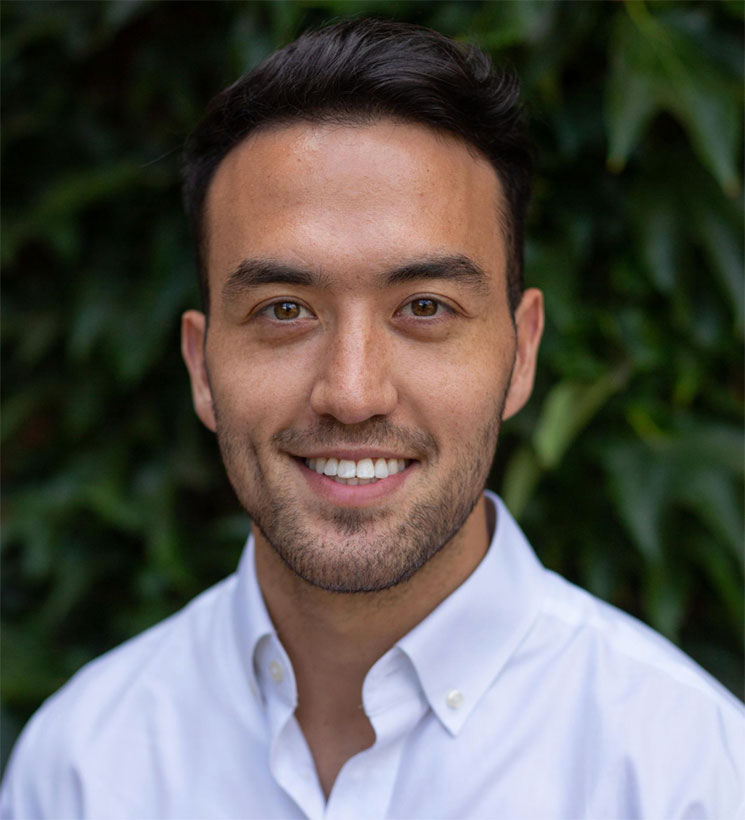
Sean
Founder, Succeed
Talk it through with Sean
“I can help you compare the programmes you're considering, think through the practicalities and work out what makes sense for you.”
20 minutes · No obligation to enrol
A practical overview of cost, accommodation, meals, dates and provider details to review before deciding.
Cost and what is included
$8,130; $11,570; $12,208; includes Tuition for the four-week course., Course materials, textbooks and academic field trips., On-campus social activities and off-campus recreational trips., Mandatory student health-center access., Residential option: shared residence-hall room and three daily dining-hall meals., Residential option: academic field-trip meals and two Saturday meals before recreational trips., Three units of university elective credit upon successful completion..
Accommodation
Shared university residence-hall rooms
Meals
Three daily meals for residential participants
Supervision or safety information
Residential advisors live in the halls and are available at all times, with campus public safety providing 24/7 patrols. Residential participants must be in their assigned hall by 10 p.m., with lights out at 11:30 p.m.
Provider details
Review the USC Pre-College provider page and official sources before making a final decision.
Dates and logistics
4 weeks; Los Angeles, California, United States.
What to check before committing
Confirm current dates, payment terms, travel arrangements, cancellation rules and what is included with the provider.
Compare this program with similar options before deciding on dates, cost, format and fit.
Compare with similar programsEffort level
High, with five to six instructional hours per class day.
Best started
Begin essay, recommendation and transcript preparation six to eight weeks before the next application deadline once announced, allowing longer for international visa planning.
Main challenge
Turning a researched topic into accurate, engaging content for a defined audience.
List issues you care about and identify what reliable reporting would require.
Analyze a few strong articles, videos or podcasts and explain why their storytelling works.
Arrange your recommendation and school-uploaded transcript early.
Prepare your laptop and business casual clothing for company visits.
Useful if
You want to test your interest in journalism or multimedia production.
You develop a content project while studying how journalism, technology and audiences interact. Each week adds a different layer, from choosing a topic to producing and distributing your work.
Assess your interests and abilities, choose a topic and plan the research, technology and platforms for your final project.
Analyze successful content across news, entertainment and the arts to understand its storytelling and audience appeal.
Study platform and attention economies while practicing the production tools your project needs.
Finalize your project and consider distribution, algorithms, media literacy and the benefits and harms of digital technologies.
Storytelling in the Digital Age — Domestic 2026 application deadline
8 May 2026
Storytelling in the Digital Age — International 2026 application deadline
13 March 2026
Storytelling in the Digital Age — Domestic 2026
22 June-17 July 2026
Application deadline; session 22 June-17 July 2026.
Storytelling in the Digital Age — International 2026
22 June-17 July 2026
Application deadline; session 22 June-17 July 2026.
Storytelling in the Digital Age — Summer 2027
21 June-15 July 2027
USC Summer Programs calendar; application information follows in November.
| Milestone | Date | Timezone | Status | |
|---|---|---|---|---|
Storytelling in the Digital Age — Domestic 2026 application deadline | 8 May 2026 | Local | Past | |
Storytelling in the Digital Age — International 2026 application deadline | 13 March 2026 | Local | Past | |
Storytelling in the Digital Age — Domestic 2026 | 22 June-17 July 2026 | Local | Past | |
Storytelling in the Digital Age — International 2026 | 22 June-17 July 2026 | Local | Past | |
Storytelling in the Digital Age — Summer 2027 | 21 June-15 July 2027 | Local | Upcoming |
Attend high school and complete at least ninth grade before starting.
Pursue a rigorous high school curriculum.
Domestic and international high school students may apply.
Attend all class meetings; late arrivals cannot be accommodated.
International applicants must demonstrate English proficiency or obtain a waiver.
International participants and domestic participants living abroad must reside on campus.
Commuters live with parents or guardians in Los Angeles or Orange County.
Application fee
$85 — Nonrefundable.
Funding or discounts
What's included
Tuition for the four-week course., Course materials, textbooks and academic field trips., On-campus social activities and off-campus recreational trips., Mandatory student health-center access., Residential option: shared residence-hall room and three daily dining-hall meals., Residential option: academic field-trip meals and two Saturday meals before recreational trips., Three units of university elective credit upon successful completion.
Create an account or log in through USC's summer-program application portal using an email you check regularly.
Complete the online application and select up to three course preferences; you can repeat this course for all three choices.
Write your own 300-500 word essay using the instructions in the portal.
Request an online recommendation from a teacher, counselor or mentor.
Ask a school administrator to upload your PDF high school transcript through the application.
If applying internationally, provide accepted English-proficiency evidence or a waiver.
Pay the $85 nonrefundable application fee, review all completed tasks and click Submit.
Monitor your portal and email for the admission decision and subsequent requirements.
Next step with Succeed
or let us know if .
Succeed replies first, usually within a working day
The program covers the following focus areas.
Journalism and reporting
Practice interviewing, reporting and writing while examining changing journalism rules and story structures.
Multimedia production
Develop photography and video skills and use production tools suited to your final project.
Platforms and audiences
Study social media engagement, attention economies and distribution strategies for reaching an audience.
Media ethics and accountability
Examine media law, accountability journalism, misinformation and disinformation to inform responsible storytelling.
Generative AI and digital tools
Explore generative AI for content creation while weighing the benefits, harms and limitations of evolving technologies.
Curriculum may be adjusted based on participant interests and current developments.
A typical day during the program.
Five to six instructional hours per day, with breaks for lunch or field trips.
Residential advisors and staff supervise activities such as game nights, movies and field games.
Trips can include local beaches, theme parks and sports events; commuters may participate.
USC Summer Programs courses are taught by USC faculty and experienced professionals from the university's academic community. Teaching combines lectures, hands-on workshops and other interactive activities.
Roommate requests cannot be accommodated. International participants and domestic participants living abroad must reside on campus.
After completing this program, participants often pursue:
Complete a researched digital content project.
Earn three units of university elective credit upon successful completion.
Request an official graded transcript from USC's registrar.
Develop reporting, multimedia production and media-literacy skills.
Build relationships that may lead to faculty or staff recommendation letters.
Recommendation letters are not guaranteed, and each receiving institution decides whether to accept transferred credit.
The program takes place at USC's University Park Campus in Los Angeles, with access to library reading rooms, computer labs and campus facilities. Academic and recreational field trips use USC Summer Programs transportation.
International participants arrange their own travel; early-arrival and late-departure housing cannot be provided.
Compare these journalism and creative-writing programs if you want a different balance of reporting, writing and summer study.
In-person summer journalism study in Cambridge
Best for
Students prioritizing journalism and media studies.
In-person creative-writing summer study in St Andrews
Best for
Students whose main interest is creative writing.
In-person creative-writing summer course in Cambridge
Best for
Older students comparing writing-centered summer study.
Save this program in Succeed to compare it with similar programs, dates, costs and formats in one place.
Compare with other programsContent reviewed by
Co-founder, Succeed | Former secondary teacher and educational leader
Ben works at the intersection of education, technology and school adoption, with expertise in how secondary schools evaluate data-driven tools and how education technology is used in practice.
Succeed uses official provider information where available, but keeps this public page focused on comparison and planning inside Succeed.
Official course page checked
Application requirements reviewed
Published dates compared
Fee options distinguished
Credit conditions reviewed
Residential policies checked
We use source material to verify core facts, then show older cycle dates as reference when a current cycle is not available. Always check current application instructions before applying.
Storytelling in the Digital Age
by USC Pre-College
May qualify for the £300 Succeed Programme Award.
Get the full picture before you decide
Request your Program Guide. We'll email it within 24 hours.
No account needed to compare programmes.