Emory Pre-College Programs
Atlanta, United States
About Emory Pre-College Programs
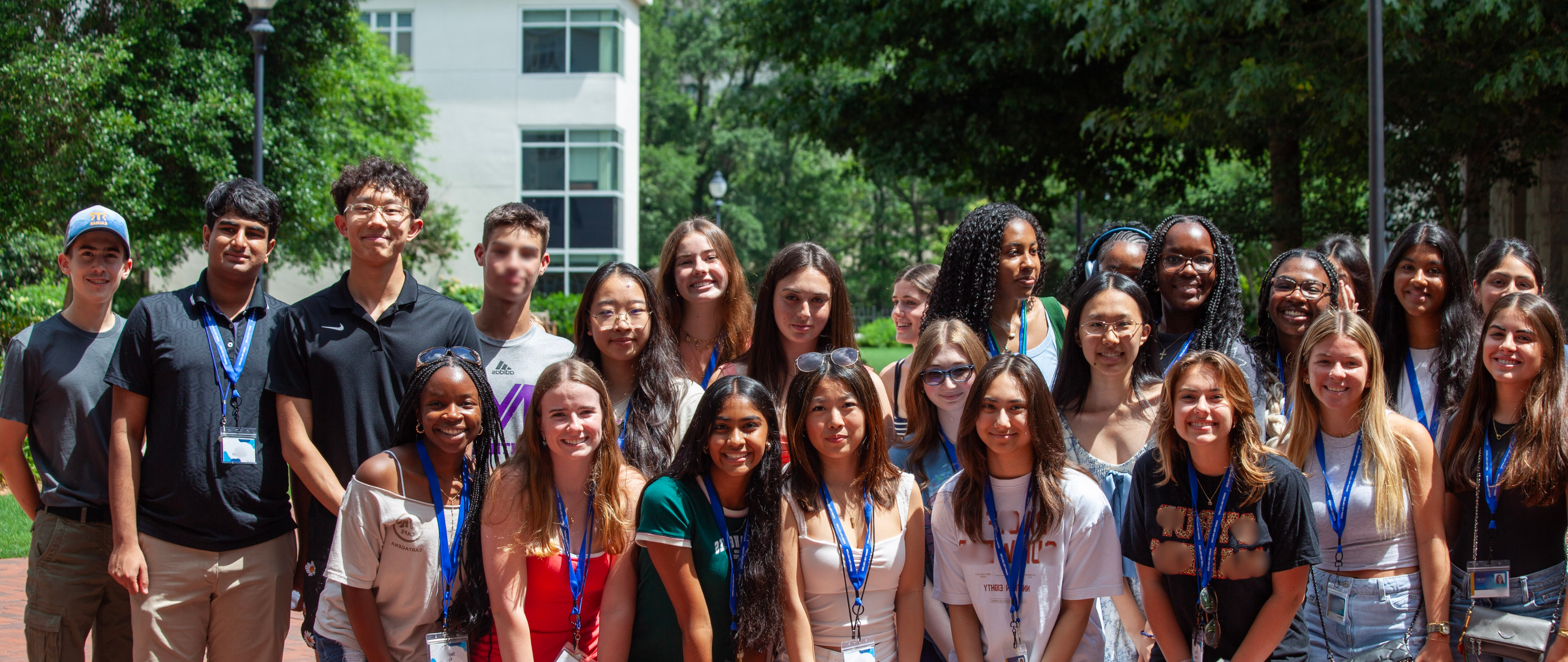
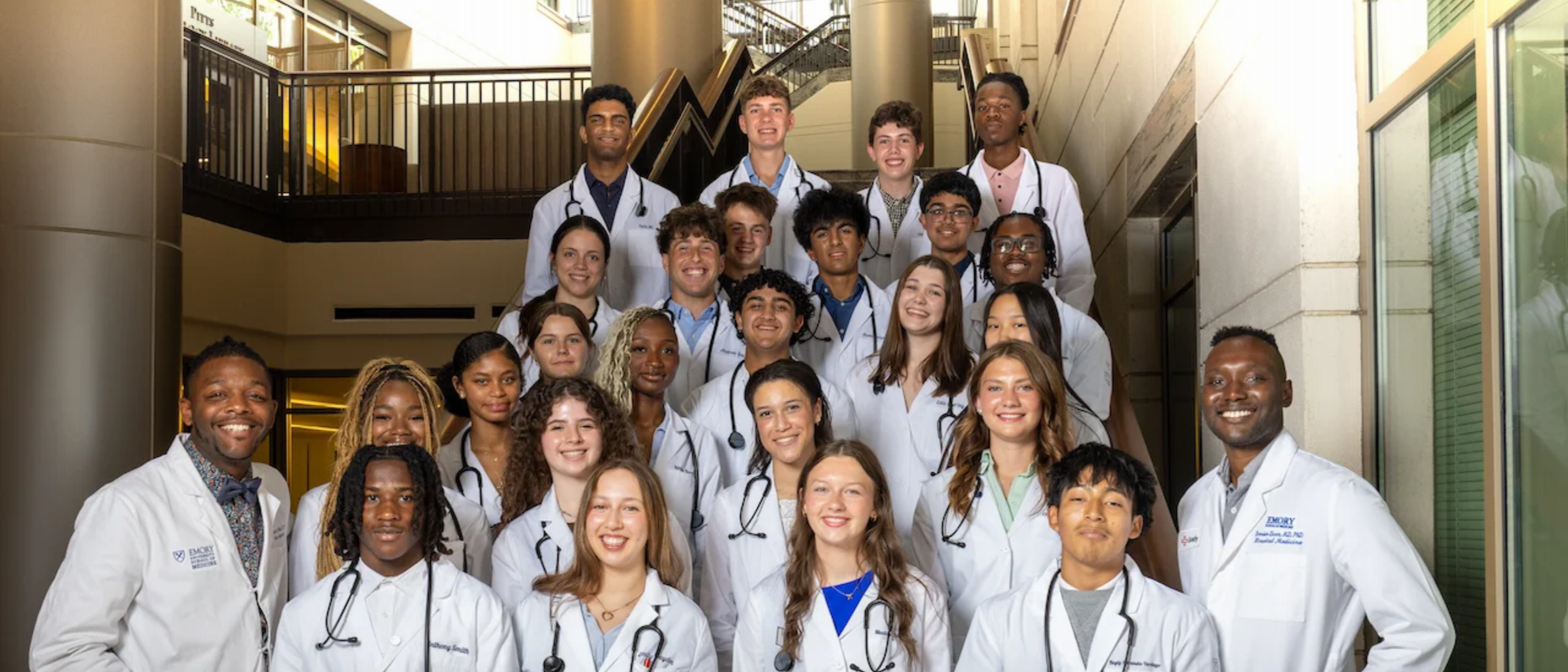
Emory Pre-College Programs is Emory University's summer academic program for high school students. Emory College of Arts and Sciences runs it on the university's campus in Atlanta, Georgia, and Emory says it has run since 2009. It's aimed at current high school sophomores and juniors, and it offers three routes. The Pre-College Program is a two-week noncredit course taken with other high school students. You can live in a residence hall or commute. The Pre-Med Institute is a three-week noncredit program with 25 seats, taught by Emory physicians. Summer College is a six-week course for college credit that you take alongside Emory undergraduates. You can take it online, or on campus if you commute from the Atlanta area. Emory says it offers more than 100 courses across the three routes, all taught by Emory faculty. You take one course per session. Applications for summer 2027 open in December 2026.
Teaching style
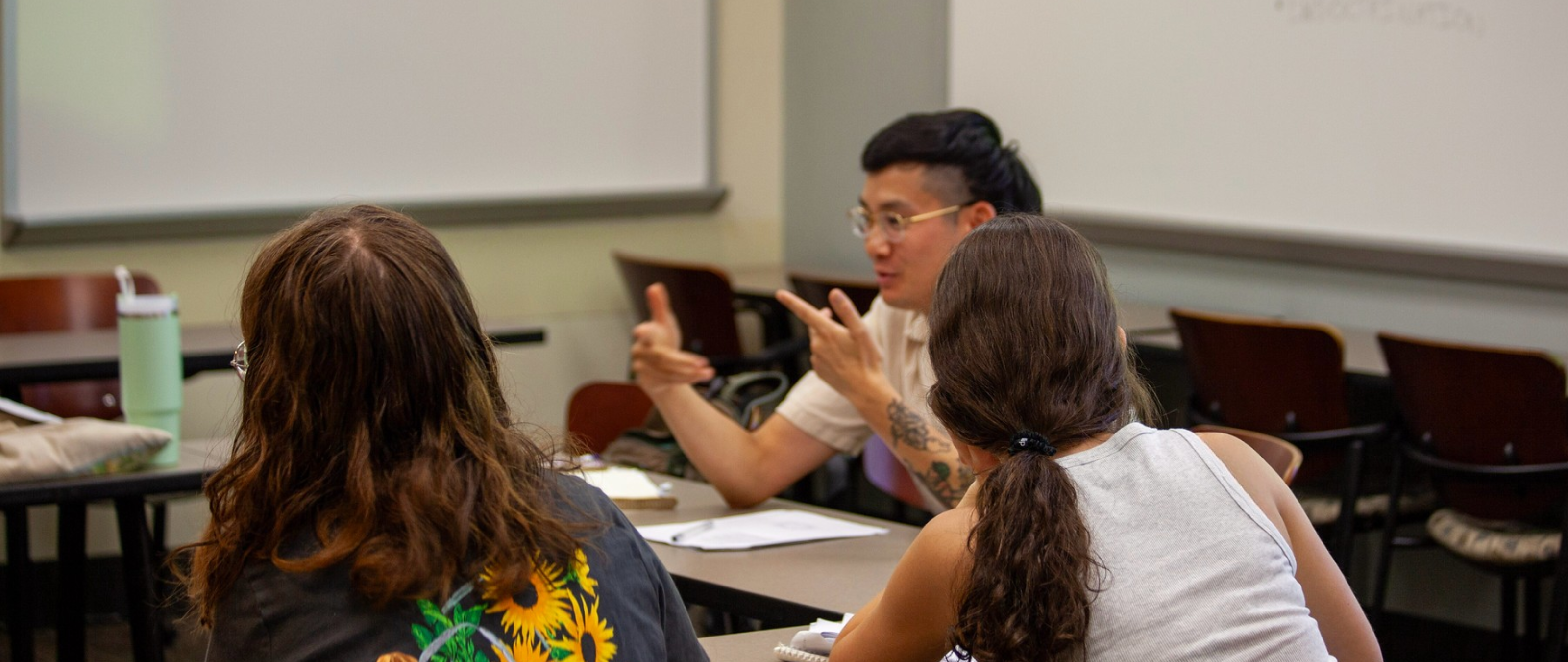
Teaching is college-style, with one course per session and real homework. In the two-week Pre-College Program, class runs from 9:00am to 11:30am, and field trips and lab experiments happen during that time. Emory says homework can take up to several hours a day. Past instructors have set presentations, extra readings and research projects. Afternoons bring Emory Exploration sessions. These are College 101 workshops and degree explorations where you meet Emory students, faculty and staff. Recent classes have included sheep brain dissections in Neurons, Brains, and Behavior and a visit to the Emory Child Study Center in Developmental Psychology. The Pre-Med Institute is built around hands-on medicine. Emory lists trauma scenarios, diagnostic cases and site visits to Emory Clinics, Grady Hospital and medical simulation labs. Summer College works like an undergraduate course, with letter grades. Emory says to plan for 15 to 20 hours a week. Online courses require live sessions Monday to Friday on Canvas and Zoom.
Reputation & Succeed take
The program's standing comes mainly from Emory University itself, which the program describes as a leading liberal arts and research university. Emory says its courses are taught by Emory professors. The Pre-Med Institute's two lead faculty are assistant professors at the Emory School of Medicine. Emory says about 400 students take part in the two-week Pre-College Program, spread over several sessions. The program's site quotes a parent who said their son came home more focused.
Our take
In Succeed's view, Emory Pre-College Programs is a solid way to try out college life at a major research university, as long as you're clear about what each route gives you. The Pre-College Program and the Pre-Med Institute are noncredit and graded Satisfactory or Unsatisfactory. The Pre-College Program adds a written assessment and a Certificate of Completion. Only Summer College gives college credit on an Emory transcript. Cost is the big question for most families. The 2026 fee for a two-week residential session was $5,510, and Emory says 2027 costs will be published by mid-November 2026. Financial aid covers only part of tuition, and international students can't apply for it. We'd suggest the Pre-College Program if you want the full residential experience. Summer College makes more sense if you want credit and either live near Atlanta or are happy to study online.
Who this provider suits
Who should choose them
This may suit you if you're a high school sophomore or junior who wants a first real taste of college classes and dorm life. The two-week residential option works well if you'd like a structured day, supervised trips around Atlanta and a group of other high school students. The Pre-Med Institute fits students who are already set on medicine and have taken, or are taking, biology and chemistry. Summer College suits strong students who want graded college credit and can handle 15 to 20 hours of work a week, either online or as a commuter in metro Atlanta.
Who it may not suit
Who should skip it: students who want college credit from a short program, since the two- and three-week options are noncredit. If you live outside metro Atlanta, you can't take Summer College in person, so you'd need the online version. Families who need a lot of help with costs should look closely, because Emory doesn't award full-tuition scholarships and international students aren't eligible for aid. Emory also requires attendance at every class and activity, so it's a poor fit if you'd miss days for other commitments.
Contact
Frequently asked questions
Programs by Emory Pre-College Programs
 Program
Emory Pre-College Program
Organized by Emory Pre-College Programs
Dates
June to July 2027, 3 sessions
Location
Atlanta
Duration
2 or 4 weeks
 Program
Emory Pre-Med Institute
Organized by Emory Pre-College Programs
Dates
June 2026 to July 2027, 2 sessions
Location
Atlanta
Duration
3 weeks