
Programme dates
20-31 July 2026

A criminology course exploring crime through anthropology and sociology, with topics spanning restorative justice, wrongful conviction and forensic psychiatry alongside university preparation.
See Succeed's assessment of the programme, who it may suit, the estimated total cost, what applying involves and what is still to confirm.
or let us know if .
What Succeed checks
We review public program details such as eligibility, age range, cost, duration, location, format, accommodation, meals and application timing.
What Last verified means
Last verified is the latest date Succeed checked the public details shown on this page. Program dates, prices and availability can still change.
How official sources are used
Succeed uses official provider information where available, then rewrites it into a student-facing summary for comparison and planning.
Why some dates are reference dates
If the current cycle is not available, Succeed may show the latest verified cycle dates so you can understand typical timing.
Succeed is independent from this provider unless a partnership is clearly stated.
Current status
Upcoming
Eligibility
High school; completed grade 10
Age range / Year group
Ages 15-18
Location / Region
UBC Vancouver campus, Vancouver, Canada
Cost
$1,940; $2,620
Duration
2 weeks
Format
In-person
UBC’s course examines contemporary crime through anthropology and sociology, connecting restorative justice, wrongful conviction and forensic psychiatry with broader social questions.
Academic learning sits alongside university preparation workshops and campus activities, making it a useful way to explore both criminology and the transition to university.
Crime and Society: Contemporary Topics is an academic course offered by UBC Extended Learning within Future Global Leaders. It introduces contemporary crime through anthropology and sociology, with topics including restorative justice, wrongful conviction, drug enforcement and forensic psychiatry.
Students attend academic classes on UBC’s Vancouver campus and take university preparation workshops in the afternoon. The wider experience includes social and recreational activities, with a choice between commuting and adding a campus residence stay.
The social science approach connects criminal justice questions with anthropology, sociology and mental health.
Dr. Dan Small brings experience in medical regulation, forensic psychiatry and community mental health to the teaching.
University preparation workshops make the experience useful beyond its specialist academic content.
Students can experience first-year university-level learning without exams.
Students curious about criminology, law, sociology or forensic psychiatry who want to examine crime in its social context and experience university learning.
You want a course centered on laboratory forensic techniques or expect participation to provide a direct university admission pathway.
This course is a strong fit if you want to test an interest in criminology through questions about society, justice and mental health. The combination of specialist teaching and university preparation gives students useful material for reflecting on future study choices.
Its value depends on how much you want the campus experience as well as the academic content. Residence adds a substantial separate cost, and Future Global Leaders is not a direct pathway to UBC or another university.
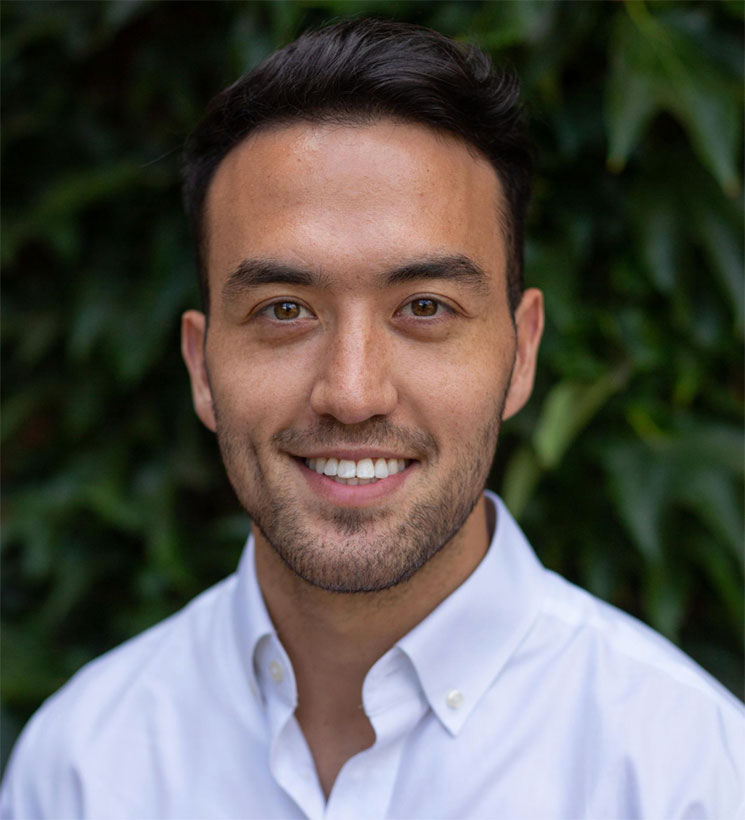
Sean
Founder, Succeed
Talk it through with Sean
“I can help you compare the programmes you're considering, think through the practicalities and work out what makes sense for you.”
20 minutes · No obligation to enrol
A practical overview of cost, accommodation, meals, dates and provider details to review before deciding.
Cost and what is included
$1,940; $2,620; includes Morning academic classes and afternoon university preparation workshops., Weekday lunch in the residence dining hall., UBC Recreation Card with swimming and drop-in sports., Weekday afternoon campus activities., Residence add-on: single room and daily breakfast, lunch and dinner., Residence add-on: airport pickup and drop-off within scheduled windows., Residence add-on: evening activities and weekend excursions., Residence add-on: local medical insurance for international students., Residence add-on: two laundry loads including detergent..
Accommodation
Optional single room; shared bathrooms
Meals
Weekday lunch; residence includes full board
Provider details
Review the UBC Future Global Leaders provider page and official sources before making a final decision.
Dates and logistics
2 weeks; UBC Vancouver campus, Vancouver, Canada.
What to check before committing
Confirm current dates, payment terms, travel arrangements, cancellation rules and what is included with the provider.
Compare this program with similar options before deciding on dates, cost, format and fit.
Compare with similar programsEffort level
Moderate to high, with 22.5 scheduled learning hours per week.
Best started
Allow 8-12 weeks before a future session for residence, travel and registration planning.
Main challenge
Engaging thoughtfully with first-year-level material on complex crime and justice issues.
Read an introductory explanation of restorative justice or wrongful conviction and note questions you would like to explore.
Plan with a parent or guardian whether commuting or residence best suits your family.
Prepare separate parent and student email addresses, and allow time to complete the information package within 48 hours of registration.
If you need academic accommodations, begin the Centre for Accessibility process soon after registration.
Useful if
You want to compare criminology, sociology, law and mental health as future study interests.
You examine contemporary crime through academic classes and learn how social science methods can help explain and address it. University preparation workshops and campus activities add practical experience of the transition beyond high school.
Attend morning classes on contemporary crime, justice and their social context.
Explore topics such as forensic psychiatry, restorative justice, wrongful conviction and geographic profiling.
Take afternoon university preparation workshops on study choices, applications and university success.
Join campus social and recreational activities after the teaching day.
If staying in residence, participate in evening activities and weekend excursions.
Next cycle not announced yet. These dates are from the latest verified cycle and should be used as a reference only.
Programme dates
20-31 July 2026
| Milestone | Date | Timezone | Status | |
|---|---|---|---|---|
Programme dates | 20-31 July 2026 | Local | Reference date |
High school students ages 15-18.
Completed grade 10 or equivalent.
Canadian and international students may participate.
Recommended academic standing: 78%, 3.5 GPA, B average or IB 5+.
English learners: recommended IELTS 6.0, TOEFL 80 or equivalent.
No transcripts or proof of English required.
Course fee
$1,940 CAD — Canadian citizens and permanent residents.
Funding or discounts
What's included
Morning academic classes and afternoon university preparation workshops., Weekday lunch in the residence dining hall., UBC Recreation Card with swimming and drop-in sports., Weekday afternoon campus activities., Residence add-on: single room and daily breakfast, lunch and dinner., Residence add-on: airport pickup and drop-off within scheduled windows., Residence add-on: evening activities and weekend excursions., Residence add-on: local medical insurance for international students., Residence add-on: two laundry loads including detergent.
Review the eligibility requirements and Future Global Leaders refund policies.
A parent or guardian creates a Family Account using their own primary email address.
Add the student as a family member using a different primary email address.
Select the course session and commuter or residence option, then assign the student in the cart and complete checkout.
Select New Application in the Family Account and submit the information package within 48 hours of registration.
Follow the student’s emails to set up their student account and UBC Campus-wide Login.
Use the registration confirmation to plan travel and support a visa application if needed.
Next step with Succeed
or let us know if .
Succeed replies first, usually within a working day
The program covers the following focus areas.
Crime and public order
Investigate relationships between public order, violent crime and innovations in drug enforcement.
Justice and conviction
Study restorative justice, wrongful conviction, advocacy and the law.
Forensic perspectives
Explore forensic psychiatry and geographic profiling in the search for serial criminals.
Social science methods
Use anthropology and sociology to understand crime and structural violence.
University preparation
Explore applications, study habits, subject choices and well-being through interactive university preparation lectures.
Curriculum may be adjusted based on participant interests and current developments.
A typical day during the program.
Monday-Friday, 9 a.m.-noon: three hours of academic learning.
Monday-Friday, 1:30-3 p.m.: 1.5 hours of university preparation workshops.
The student-life schedule allocates 3:30-5 p.m. to campus activities, study time and free time.
Residence students have social activities, study time and free time from 7:30-9 p.m.
Dr. Dan Small is a medical anthropologist and Research Associate in UBC’s Department of Anthropology, with 20 years of experience in medical regulation, medical assessment, forensic psychiatry and community mental health. University preparation lectures are led by UBC instructors and professionals experienced in advising high school students.
Residence rooms have shared bathrooms and no supplied air conditioning or fan; students bring their own towel.
After completing this program, participants often pursue:
Apply social science methods to understanding contemporary crime.
Explore future interests in criminology, anthropology, sociology, law or public policy.
Develop university preparation, academic and social skills.
Receive a Letter of Completion when attendance and conduct requirements are met.
Future Global Leaders is not a direct pathway to admission at UBC or another university.
The course takes place on UBC’s Vancouver campus in British Columbia, Canada, with residence, dining and recreation facilities on campus. Commuters can use buses serving the central UBC Bus Loop or campus pay parking.
Vancouver International Airport is approximately a 30-minute drive from campus.
Compare these related programs if your interests lean toward law, broader social sciences or psychology.
A summer course focused on law.
Best for
Students prioritizing legal study
A summer course spanning social and political sciences.
Best for
Students exploring society and politics
A high school course in psychology and neuroscience.
Best for
Students interested in mind and behavior
Save this program in Succeed to compare it with similar programs, dates, costs and formats in one place.
Compare with other programsContent reviewed by
Co-founder, Succeed | Former secondary teacher and educational leader
Ben works at the intersection of education, technology and school adoption, with expertise in how secondary schools evaluate data-driven tools and how education technology is used in practice.
Succeed uses official provider information where available, but keeps this public page focused on comparison and planning inside Succeed.
Official course page reviewed
Course-specific session verified
Eligibility requirements reviewed
Fee options compared
Accommodation and meals reviewed
Completion requirements checked
Refund and conduct policies reviewed
We use source material to verify core facts, then show older cycle dates as reference when a current cycle is not available. Always check current application instructions before applying.
Crime and Society: Contemporary Topics
by UBC Future Global Leaders
Get the full picture before you decide
Succeed's assessment, estimated total cost and what applying involves.
No account needed for the Guide or Compare.