
The Science of Food, Nutrition and the Biological World — 2026 domestic application deadline
8 May 2026

USC’s nutrition summer program connects molecular biology, biochemistry and microbiology with cooking, fermentation and the environmental impact of food.
Request your Program Guide. We'll email it within 24 hours.
or let us know if .
What Succeed checks
We review public program details such as eligibility, age range, cost, duration, location, format, accommodation, meals and application timing.
What Last verified means
Last verified is the latest date Succeed checked the public details shown on this page. Program dates, prices and availability can still change.
How official sources are used
Succeed uses official provider information where available, then rewrites it into a student-facing summary for comparison and planning.
Why some dates are reference dates
If the current cycle is not available, Succeed may show the latest verified cycle dates so you can understand typical timing.
Succeed is independent from this provider unless a partnership is clearly stated.
Current status
Upcoming
Eligibility
Completed ninth grade; biology B or above
Age range / Year group
Ages 15-18
Location / Region
Los Angeles, California, United States
Cost
$8,130; $11,570; $12,208
Duration
4 weeks
Format
In-person
USC uses everyday food to introduce molecular biology, biochemistry, microbiology and nutrition, connecting scientific ideas with practical cooking and laboratory activities.
Students explore fermentation, genetics and food production, then present on public health or nutrition. The course suits students who want to connect an interest in food with deeper biological questions.
The Science of Food, Nutrition and the Biological World is a USC Pre-College course that explores biology through what we eat. It connects molecular biology, biochemistry, microbiology and nutrition with food preparation, sensory perception and the organisms behind familiar ingredients.
Students move between scientific concepts and practical activities, including fermentation, laboratory techniques and visits to a farm and cooking school. The course also examines genetically modified foods, public health and the environmental consequences of food production.
Food provides a concrete way to connect molecular biology, nutrition and environmental questions.
Fermentation and cooking activities make scientific concepts tangible beyond classroom discussion.
DNA extraction, PCR and gel electrophoresis introduce specific laboratory techniques.
The final presentation encourages students to explain a public health or nutrition topic.
Successful completion earns university elective credit rather than participation alone.
Students who enjoy biology and want to investigate food through experiments, fermentation, cooking and public health questions.
You mainly want recreational cooking lessons or a light academic commitment; this is a demanding science course with required attendance.
This course offers a useful test of whether food science, nutrition or biological research interests you beyond school lessons. Fermentation, laboratory techniques and a presentation provide concrete experiences to reflect on, while successful completion earns elective credit.
The financial commitment and intensive daily attendance make subject fit especially important. Credit transfer depends on the receiving college, and participation does not guarantee USC admission, so the strongest reason to attend is the learning itself.
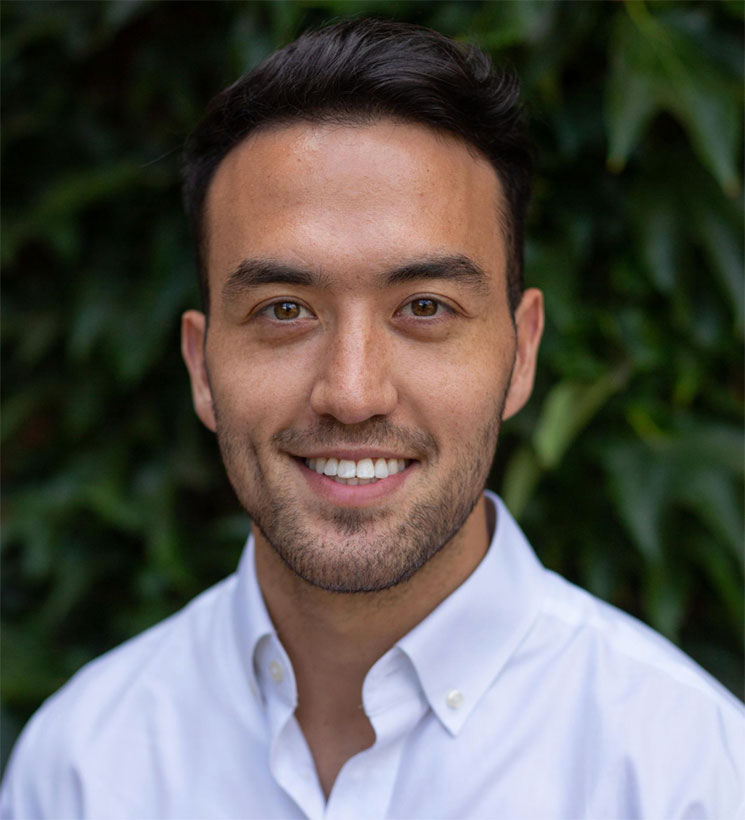
Sean
Founder, Succeed
Talk it through with Sean
“I can help you compare the programmes you're considering, think through the practicalities and work out what makes sense for you.”
20 minutes · No obligation to enrol
A practical overview of cost, accommodation, meals, dates and provider details to review before deciding.
Cost and what is included
$8,130; $11,570; $12,208; includes Tuition and three elective credit units upon successful completion., Academic field trips, textbooks and instructor-requested materials., On-campus social activities and off-campus recreational trips., Mandatory Student Health Center access., Residential option: a shared residence-hall room., Residential option: three daily dining-hall meals, with stated Saturday exceptions., Residential option: meals on academic field trips., International total: required USC service and insurance charges..
Accommodation
Shared university residence-hall rooms
Meals
Residential: three daily dining-hall meals
Provider details
Review the USC Pre-College provider page and official sources before making a final decision.
Dates and logistics
4 weeks; Los Angeles, California, United States.
What to check before committing
Confirm current dates, payment terms, travel arrangements, cancellation rules and what is included with the provider.
Compare this program with similar options before deciding on dates, cost, format and fit.
Compare with similar programsEffort level
High, with 5-6 instructional hours per day.
Best started
Begin planning in November, when 2027 application information is expected, and allow several weeks for documents and longer for international travel.
Main challenge
Managing intensive coursework while connecting biological ideas to practical food activities.
Review nutrient functions, basic genetics and microbiology before the session.
Identify a teacher, counselor or mentor who can write your recommendation.
Arrange the school-uploaded transcript and draft the application essay yourself.
Plan a laptop, laboratory clothing and any required immigration documentation.
Useful if
You want to test an interest in nutrition, food science or biology.
You use food to investigate nutrients, microorganisms, sensory biology and genetics. Practical activities build toward a presentation on public health or nutrition.
Study macro- and micronutrients, review project guidelines and identify a presentation topic.
Explore taste and aroma, visit a farm and investigate pickle fermentation.
Study public health, set up miso fermentation and make lactose-free cream cheese.
Explore genetics and GMO foods, visit a cooking school and deliver your presentation.
The Science of Food, Nutrition and the Biological World — 2026 domestic application deadline
8 May 2026
The Science of Food, Nutrition and the Biological World — 2026 international residential application deadline
13 March 2026
The Science of Food, Nutrition and the Biological World — 2026 domestic
22 June-17 July 2026
Domestic residential and commuter options.
The Science of Food, Nutrition and the Biological World — 2026 international residential
22 June-17 July 2026
International participants reside on campus.
The Science of Food, Nutrition and the Biological World — 2027
21 June-15 July 2027
Dates announced across USC Summer Programs.
| Milestone | Date | Timezone | Status | |
|---|---|---|---|---|
The Science of Food, Nutrition and the Biological World — 2026 domestic application deadline | 8 May 2026 | Local | Past | |
The Science of Food, Nutrition and the Biological World — 2026 international residential application deadline | 13 March 2026 | Local | Past | |
The Science of Food, Nutrition and the Biological World — 2026 domestic | 22 June-17 July 2026 | Local | Past | |
The Science of Food, Nutrition and the Biological World — 2026 international residential | 22 June-17 July 2026 | Local | Past | |
The Science of Food, Nutrition and the Biological World — 2027 | 21 June-15 July 2027 | Local | Upcoming |
Be a domestic or international high school student.
Complete ninth grade before the program starts.
Complete one year of high school biology with B or above.
Pursue a rigorous high school curriculum.
Attend all required class meetings.
International applicants must demonstrate English proficiency or obtain a waiver.
International participants and domestic participants living abroad must reside on campus.
Commuters must live with a parent or guardian in eligible counties.
Application fee
$85 — Nonrefundable.
Funding or discounts
What's included
Tuition and three elective credit units upon successful completion., Academic field trips, textbooks and instructor-requested materials., On-campus social activities and off-campus recreational trips., Mandatory Student Health Center access., Residential option: a shared residence-hall room., Residential option: three daily dining-hall meals, with stated Saturday exceptions., Residential option: meals on academic field trips., International total: required USC service and insurance charges.
Create an account or log in through USC’s Summer Programs application portal.
Select this course; USC permits up to three course choices.
Write your own 300-500 word application essay.
Request an online recommendation from a teacher, counselor or mentor.
Ask a school administrator to upload your PDF transcript.
Provide accepted English proficiency documentation if applying internationally.
Pay the $85 application fee, review every task and submit.
Monitor your email and application portal for communications.
Next step with Succeed
or let us know if .
Succeed replies first, usually within a working day
The program covers the following focus areas.
Nutrients and metabolism
Study macro- and micronutrients and begin developing a presentation topic.
Taste, microbiology and fermentation
Investigate taste and aroma, visit a farm and explore pickle fermentation.
Food making and public health
Set up miso fermentation, make lactose-free cream cheese and examine public health programs.
Genetics, cooking and presentations
Explore genetics and GMO foods, visit a cooking school and present on public health or nutrition.
Curriculum may be adjusted based on participant interests and current developments.
A typical day during the program.
Attend instruction with breaks for lunch or field trips.
Use campus libraries for study or visit the gym.
Join staff-supervised socials, games and other residential activities.
Program trips may visit beaches, theme parks or sports events.
USC Summer Programs courses are taught by USC faculty and experienced professionals from the university’s academic community. The teaching model combines lectures, hands-on workshops and laboratories, and guest speakers.
Roommate requests cannot be accommodated. International participants and domestic participants living abroad must reside on campus.
After completing this program, participants often pursue:
Earn three units of elective credit upon successful completion.
Complete a presentation on public health or nutrition.
Request an official transcript showing your course grade.
Explore biology and nutrition beyond high school coursework.
Build faculty connections that may support a future recommendation.
Credit transfer depends on the receiving institution; recommendation letters and USC admission are not guaranteed.
The program takes place on USC’s University Park Campus in Los Angeles, with access to library reading rooms, computer labs and campus facilities. This course includes visits to a farm and a cooking school.
Commuters must use program transportation for academic and recreational field trips.
Compare these programs if your interests lean toward environmental biology, medical science or broader scientific exploration.
Ecology and environmental science study
Best for
Students drawn to ecosystems and environmental questions
Medical and biological sciences study
Best for
Students comparing biology with medical interests
Introduces methods and questions that define modern science
Best for
Students exploring science before choosing a narrower subject
Save this program in Succeed to compare it with similar programs, dates, costs and formats in one place.
Compare with other programsContent reviewed by
Co-founder, Succeed | Founder, Immerse Education (2012–2026)
Sean works at the intersection of academic enrichment, program quality and university preparation, with expertise in evaluating pre-university experiences for ambitious secondary school students.
Succeed uses official provider information where available, but keeps this public page focused on comparison and planning inside Succeed.
Official course page checked
Biology prerequisite reviewed
Session dates compared
Application deadlines distinguished
Fee options reviewed
Residential policies reviewed
Credit conditions checked
We use source material to verify core facts, then show older cycle dates as reference when a current cycle is not available. Always check current application instructions before applying.
The Science of Food, Nutrition and the Biological World
by USC Pre-College
May qualify for the £300 Succeed Programme Award.
Get the full picture before you decide
Request your Program Guide. We'll email it within 24 hours.
No account needed to compare programmes.