
Biology Oxford 16-17, 27 June 2027
27 June-10 July 2027

Explore biology beyond the standard curriculum through small-group seminars, independent study, practical investigation and tutor-led discussion.
See Succeed's assessment of the programme, who it may suit, the estimated total cost, what applying involves and what is still to confirm.
or let us know if .
What Succeed checks
We review public program details such as eligibility, age range, cost, duration, location, format, accommodation, meals and application timing.
What Last verified means
Last verified is the latest date Succeed checked the public details shown on this page. Program dates, prices and availability can still change.
How official sources are used
Succeed uses official provider information where available, then rewrites it into a student-facing summary for comparison and planning.
Why some dates are reference dates
If the current cycle is not available, Succeed may show the latest verified cycle dates so you can understand typical timing.
Succeed is independent from this provider unless a partnership is clearly stated.
Current status
Upcoming
Eligibility
Interest in Biology; good English
Age range / Year group
Ages 13-17
Location / Region
Oxford, United Kingdom
Cost
From £5,495
Duration
2 weeks
Format
In-person
An Oxford-based academic course exploring life from cells and genetics to organisms, evolution and ecosystems. The exact syllabus varies with the tutor and age group.
Teaching emphasizes small-group discussion, investigation and independent thinking rather than a fixed exam syllabus.
It suits curious Biology students who want greater academic depth and are comfortable contributing ideas, completing independent work and learning in an international summer-school environment.
The Biology Summer Course is an academic summer program from Atlas Summer Courses that explores living systems beyond the usual curriculum. Possible topics include cell biology, genetics, evolution, physiology, ecology, anatomy, plant science, zoology and biodiversity.
Students learn through small seminars, discussion, case studies, investigations and private study. Tutors create age-appropriate syllabi around their expertise and the group's interests, so the precise topics can vary between sessions.
Small seminar groups give students regular opportunities to question ideas and contribute to academic discussion.
The course combines subject teaching with independent study instead of relying only on lectures.
Older students complete two assignments and discuss them in focused tutorials with detailed feedback.
Age-specific tracks adjust the level of challenge and independence from early teens through adult learners.
Residential packages combine academic study with supported college living, activities and cultural excursions.
Students who enjoy asking scientific questions, discussing evidence and exploring Biology beyond a fixed school syllabus.
You want a guaranteed topic list, formal academic credit or a course centered on examinations and fixed outcomes.
This course can be worthwhile for students who value small-group teaching, independent study and detailed academic feedback. It offers a structured way to test a deeper interest in Biology while experiencing a more discussion-led style of learning.
The main limitation is the substantial fee, especially for residential packages, and the syllabus is not fixed in advance. Families should judge the value of the teaching, accommodation and wider experience together rather than treating attendance as a university credential.
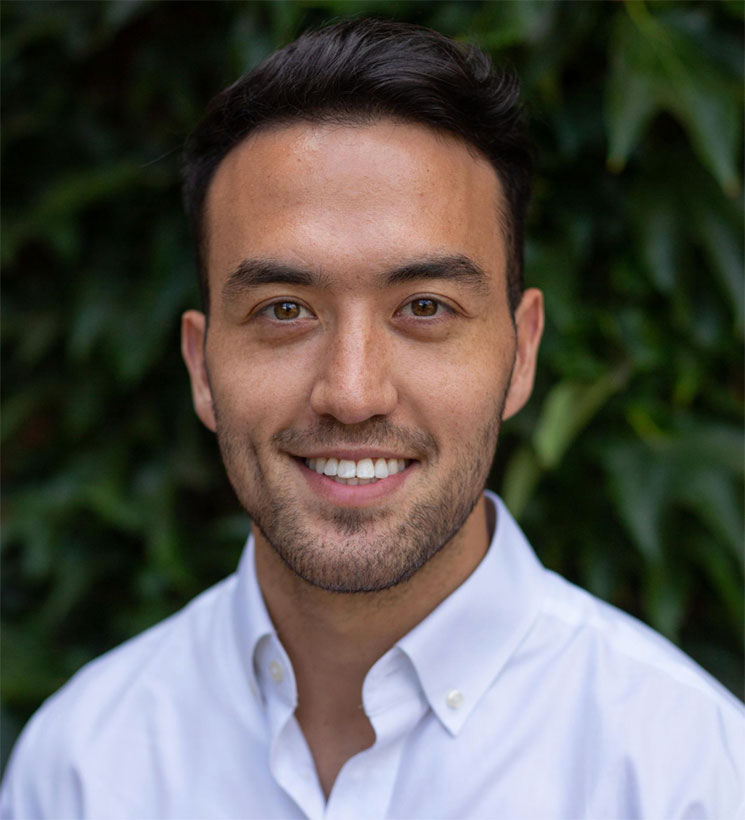
Sean
Founder, Succeed
Talk it through with Sean
“I can help you compare the programmes you're considering, think through the practicalities and work out what makes sense for you.”
20 minutes · No obligation to enrol
A practical overview of cost, accommodation, meals, dates and provider details to review before deciding.
Cost and what is included
From £5,495; includes Academic teaching and course materials, Certificate of completion, Social activities and excursions where included, Full board for residential students aged 13-15, Breakfast and dinner for residential students aged 16-24, Accommodation with residential packages, Airport transfers and insurance on eligible packages.
Accommodation
Residential and non-residential
Meals
Full or half board by age
Supervision or safety information
Safeguarding-trained residential staff provide age-appropriate supervision, daily check-ins and welfare support. Applicants can also disclose medical, learning, accessibility and dietary requirements so suitable support can be discussed.
Provider details
Review the Atlas Summer Courses provider page and official sources before making a final decision.
Dates and logistics
2 weeks; Oxford, United Kingdom.
What to check before committing
Confirm current dates, payment terms, travel arrangements, cancellation rules and what is included with the provider.
Compare this program with similar options before deciding on dates, cost, format and fit.
Compare with similar programsEffort level
Moderate to high academic commitment.
Best started
Begin planning four to eight weeks before applying, allowing extra time for the personal statement, package choice, travel and visa arrangements.
Main challenge
Balancing independent study with a full residential and activity schedule.
Review the possible Biology areas and identify two or three questions you would enjoy exploring.
Draft the personal statement around genuine academic interests, goals and previous experiences.
Practice explaining scientific reasoning aloud and responding to alternative interpretations.
Read the Welcome Pack and complete any assigned pre-course reading before traveling.
Useful if
You want to test university-style discussion and tutorial feedback.
Students investigate biological ideas through seminars, discussion, case studies, practical examples and independent work. Activities and expectations become more independent in the older age tracks.
Explore biological concepts with an expert tutor in a small seminar group.
Question evidence, compare explanations and discuss scientific ideas with classmates.
Complete reading, research, problem-solving or written preparation between classes.
Apply concepts through investigations, practical challenges, microscope work or field observations where scheduled.
For older tracks, submit two essays or problem sheets and discuss them in tutorials.
Reflect on academic progress and take part in wider masterclasses and enrichment activities.
Biology Oxford 16-17, 27 June 2027
27 June-10 July 2027
Biology Oxford 18-24, 27 June 2027
27 June-10 July 2027
Biology Oxford 13-15, 27 June 2027
27 June-10 July 2027
Biology Oxford 16-17, 4 July 2027
4-17 July 2027
Biology Oxford 13-15, 4 July 2027
4-17 July 2027
Biology Oxford 18-24, 4 July 2027
4-17 July 2027
Biology Oxford 16-17, 11 July 2027
11-24 July 2027
Biology Oxford 13-15, 11 July 2027
11-24 July 2027
Biology Oxford 18-24, 11 July 2027
11-24 July 2027
Biology Oxford 13-15, 18 July 2027
18-31 July 2027
Biology Oxford 18-24, 18 July 2027
18-31 July 2027
Biology Oxford 16-17, 18 July 2027
18-31 July 2027
Biology Oxford 16-17, 25 July 2027
25 July-7 August 2027
Biology Oxford 13-15, 25 July 2027
25 July-7 August 2027
Biology Oxford 13-15, 1 August 2027
1-14 August 2027
Biology Oxford 16-17, 1 August 2027
1-14 August 2027
Biology Oxford 13-15, 8 August 2027
8-21 August 2027
Biology Oxford 16-17, 8 August 2027
8-21 August 2027
Biology Oxford 16-17, 15 August 2027
15-28 August 2027
Biology Oxford 13-15, 15 August 2027
15-28 August 2027
| Milestone | Date | Timezone | Status | |
|---|---|---|---|---|
Biology Oxford 16-17, 27 June 2027 | 27 June-10 July 2027 | Local | Upcoming | |
Biology Oxford 18-24, 27 June 2027 | 27 June-10 July 2027 | Local | Upcoming | |
Biology Oxford 13-15, 27 June 2027 | 27 June-10 July 2027 | Local | Upcoming | |
Biology Oxford 16-17, 4 July 2027 | 4-17 July 2027 | Local | Upcoming | |
Biology Oxford 13-15, 4 July 2027 | 4-17 July 2027 | Local | Upcoming | |
Biology Oxford 18-24, 4 July 2027 | 4-17 July 2027 | Local | Upcoming | |
Biology Oxford 16-17, 11 July 2027 | 11-24 July 2027 | Local | Upcoming | |
Biology Oxford 13-15, 11 July 2027 | 11-24 July 2027 | Local | Upcoming | |
Biology Oxford 18-24, 11 July 2027 | 11-24 July 2027 | Local | Upcoming | |
Biology Oxford 13-15, 18 July 2027 | 18-31 July 2027 | Local | Upcoming | |
Biology Oxford 18-24, 18 July 2027 | 18-31 July 2027 | Local | Upcoming | |
Biology Oxford 16-17, 18 July 2027 | 18-31 July 2027 | Local | Upcoming | |
Biology Oxford 16-17, 25 July 2027 | 25 July-7 August 2027 | Local | Upcoming | |
Biology Oxford 13-15, 25 July 2027 | 25 July-7 August 2027 | Local | Upcoming | |
Biology Oxford 13-15, 1 August 2027 | 1-14 August 2027 | Local | Upcoming | |
Biology Oxford 16-17, 1 August 2027 | 1-14 August 2027 | Local | Upcoming | |
Biology Oxford 13-15, 8 August 2027 | 8-21 August 2027 | Local | Upcoming | |
Biology Oxford 16-17, 8 August 2027 | 8-21 August 2027 | Local | Upcoming | |
Biology Oxford 16-17, 15 August 2027 | 15-28 August 2027 | Local | Upcoming | |
Biology Oxford 13-15, 15 August 2027 | 15-28 August 2027 | Local | Upcoming |
Choose the 13-15, 16-17 or 18-24 age track.
Have a genuine interest in Biology.
Use spoken and written English confidently.
Applicants under 18 provide parent or guardian details.
Program fee
From £5,495 — Non-residential option
Funding or discounts
What's included
Academic teaching and course materials, Certificate of completion, Social activities and excursions where included, Full board for residential students aged 13-15, Breakfast and dinner for residential students aged 16-24, Accommodation with residential packages, Airport transfers and insurance on eligible packages
Enter the student's date of birth and select an eligible Biology course.
Choose the preferred session and accommodation package.
Provide student contact details and guardian details where required.
Write a short personal statement in English about academic interests and goals.
Add current or recent school, college or university information.
Review the course, dates, package and fee information before submitting.
Wait for the admissions review and follow the offer instructions if successful.
Next step with Succeed
or let us know if .
Succeed replies first, usually within a working day
The program covers the following focus areas.
Cells and genetics
Explore cellular processes, inheritance, molecular biology and genetic change.
Evolution and biodiversity
Examine adaptation, natural selection, extinction and biological diversity.
Physiology and anatomy
Investigate how biological systems within organisms function together.
Ecology and ecosystems
Study interactions among organisms, populations and their environments.
Biology in practice
Connect biological research with health, disease and environmental challenges.
Curriculum may be adjusted based on participant interests and current developments.
A typical day during the program.
Breakfast is followed by a seminar, lesson or academic activity.
Students complete independent work, workshops, masterclasses or excursions.
Supervised social activities and group events balance the academic schedule.
Courses are taught by experienced educators and subject specialists active across academia, industry and education. Tutors shape the syllabus around their expertise and the group's interests, while older tracks use focused one-to-one or two-to-one tutorials for assignment feedback.
Tutors are confirmed closer to the summer, so previously published profiles do not guarantee who will teach a particular session.
Atlas Summer Courses hires Oxford college facilities for the summer and is not affiliated with the University of Oxford. Package inclusions vary.
After completing this program, participants often pursue:
Use the experience to test interest in Biology, medicine or another life science.
Develop evidence analysis, problem-solving and scientific communication skills.
Receive a certificate confirming participation and course dates.
Use detailed feedback to guide further academic development.
Build on the course through Biology, neuroscience, biochemistry, biotechnology, genetics or ecology.
Most Atlas Summer Courses are not credit-bearing, and recognition by a school or university is not guaranteed.
The course is based in Oxford, where Atlas Summer Courses hires college accommodation, teaching spaces and facilities during the summer. Students study within a historic academic city and may also experience museums, gardens, cultural visits and organized excursions.
Participation is in an independent Atlas Summer Courses program, not enrollment at the University of Oxford.
Compare these Biology and life-science programs by teaching focus, age range, location and overall cost.
Cambridge-based academic Biology summer study
Best for
Students aged 16-18 comparing intensive Biology courses.
Biology and medicine in Cambridge
Best for
Older students considering Biology alongside medicine.
DNA and data-focused high school course
Best for
Students interested in genetics and computational approaches.
Ecology and environmental science in Berkeley
Best for
Students most interested in ecology and sustainability.
Save this program in Succeed to compare it with similar programs, dates, costs and formats in one place.
Compare with other programsContent reviewed by
Co-founder, Succeed | Founder, Immerse Education (2012–2026)
Sean works at the intersection of academic enrichment, program quality and university preparation, with expertise in evaluating pre-university experiences for ambitious secondary school students.
Succeed uses official provider information where available, but keeps this public page focused on comparison and planning inside Succeed.
Program identity checked
Age tracks reviewed
2027 sessions verified
Prices compared
Teaching format checked
Accommodation reviewed
Application process checked
Safeguarding guidance reviewed
We use source material to verify core facts, then show older cycle dates as reference when a current cycle is not available. Always check current application instructions before applying.
Biology Summer Course
by Atlas Summer Courses
May qualify for the £300 Succeed Programme Award.
Get the full picture before you decide
Succeed's assessment, estimated total cost and what applying involves.
No account needed for the Guide or Compare.