
Applications
Rolling admissions

Explore nanoparticles through advanced lectures, labs, and cleanroom study with Vanderbilt’s nanoscale science and engineering researchers.
Request your Program Guide. We'll email it within 24 hours.
or let us know if .
What Succeed checks
We review public program details such as eligibility, age range, cost, duration, location, format, accommodation, meals and application timing.
What Last verified means
Last verified is the latest date Succeed checked the public details shown on this page. Program dates, prices and availability can still change.
How official sources are used
Succeed uses official provider information where available, then rewrites it into a student-facing summary for comparison and planning.
Why some dates are reference dates
If the current cycle is not available, Succeed may show the latest verified cycle dates so you can understand typical timing.
Succeed is independent from this provider unless a partnership is clearly stated.
Current status
Applications open
Eligibility
Rising Grades 9-10; academic-fit review
Age range / Year group
Ages 14-16
Location / Region
Vanderbilt University, Nashville, Tennessee, United States
Cost
$2,850
Duration
1 week
Format
In-person
Application deadline
Rolling · Next cycle not announced yet. These dates are from the latest verified cycle and should be used as a reference only.
Save programNanoscience and Engineering introduces nanoparticles and their properties through advanced lectures, labs, and cleanroom study at Vanderbilt’s Institute of Nanoscale Science and Engineering.
Its strongest feature is sustained contact with research environments and researchers, including faculty, graduate students, and postdoctoral scholars.
It suits students curious about how tiny particles can help solve larger engineering problems and comfortable with intensive academic work.
Nanoscience and Engineering is a specialized course within Vanderbilt Summer Academy, run by Vanderbilt University’s Programs for Talented Youth. It introduces nanoparticle properties and asks students to consider how manipulating very small particles could address major real-world problems.
The experience combines advanced lectures, laboratory work, and extensive study with researchers at the Vanderbilt Institute of Nanoscale Science and Engineering, known as VINSE. Students spend significant time in a cleanroom wearing protective coveralls, alongside the wider academic and residential VSA experience.
Significant cleanroom time gives the course a concrete research setting beyond classroom explanations.
Study with VINSE faculty, graduate students, and postdoctoral researchers connects introductory concepts with active scientific work.
The focus on nanoparticle properties and practical problems makes the academic purpose clear.
Written instructor feedback offers a useful record of progress without grades or credit.
Students who enjoy science and engineering, want to explore nanoparticles, and welcome demanding study in a research environment.
You want a relaxed camp, college credit, or extensive unsupervised time; cleanroom sensory conditions also deserve careful consideration.
The course is a strong option for testing whether nanoscale science interests you enough to pursue further. Cleanroom study and contact with researchers give students concrete experiences to reflect on, while the single-subject approach supports sustained attention.
Its value depends on enjoying accelerated academic work and the structured residential setting. VSA awards no academic credit, and participation does not indicate admission to Vanderbilt, so judge it by learning and personal fit rather than an expected admissions advantage.
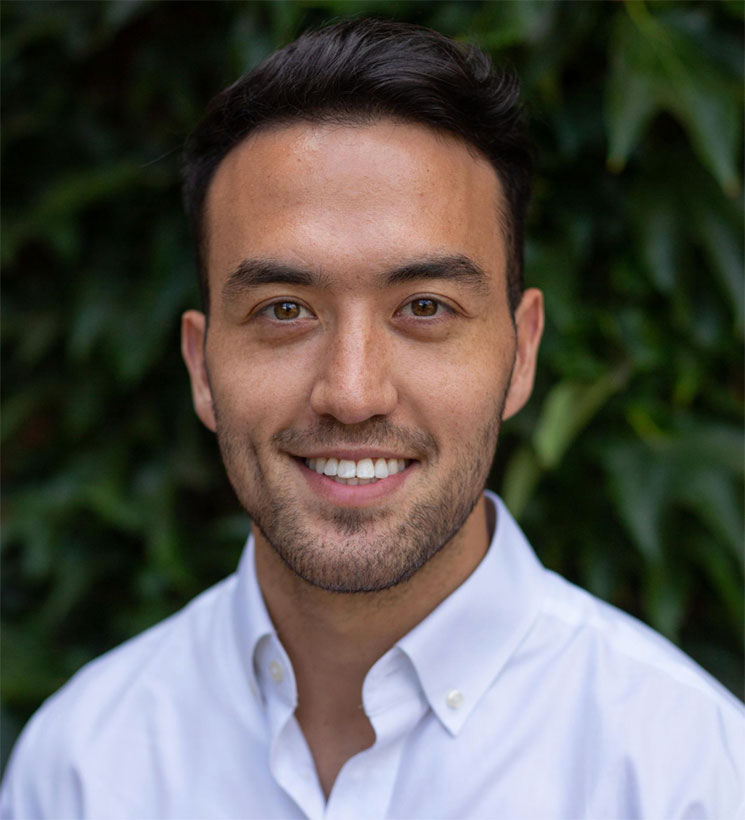
Sean
Founder, Succeed
Talk it through with Sean
“I can help you compare the programmes you're considering, think through the practicalities and work out what makes sense for you.”
20 minutes · No obligation to enrol
A practical overview of cost, accommodation, meals, dates and provider details to review before deciding.
Cost and what is included
$2,850; includes Course instruction and materials., Residential housing., Meals during the residential stay., Residential outings and activities..
Accommodation
Ingram Commons; double or triple rooms
Meals
All meals provided
Provider details
Review the Vanderbilt Summer Academy provider page and official sources before making a final decision.
Dates and logistics
1 week; Vanderbilt University, Nashville, Tennessee, United States.
What to check before committing
Confirm current dates, payment terms, travel arrangements, cancellation rules and what is included with the provider.
Compare this program with similar options before deciding on dates, cost, format and fit.
Compare with similar programsEffort level
High, with approximately six hours of weekday academic study.
Best started
Begin gathering documents several weeks before a future priority window; allow extra time for recommendations and international paperwork.
Main challenge
Combining an accelerated course with a fully structured residential routine.
Choose the test-score or portfolio application route and gather your transcript.
If using a portfolio, arrange educator recommendations and draft the essay explaining your course interest.
Discuss any cleanroom sensory concerns with PTY before committing.
Plan required health forms, a laptop or tablet, bedding, and suitable clothing for campus life.
Useful if
You want to test your interest in nanoscience through direct academic experience.
You study nanoparticle properties through advanced lectures, labs, and cleanroom experiences with VINSE researchers. The course challenges you to connect nanoscale manipulation with creative solutions to larger problems.
Build an introductory understanding of key nanoparticles and their properties.
Explore the ideas through advanced lectures and laboratory study.
Wear protective coveralls and spend significant time in a Vanderbilt cleanroom.
Consider how manipulating tiny particles could address major real-world challenges.
Next cycle not announced yet. These dates are from the latest verified cycle and should be used as a reference only.
Applications
Rolling admissions
Programme dates
5-11 July 2026
Applications open
7 January 2026
The 2026 VSA priority application window began.
Priority window ends
14 January 2026
Priority-pool cutoff at midnight; applications continued afterward.
Admission notifications
29 January-16 February 2026
Notification window for priority applicants.
| Milestone | Date | Timezone | Status | |
|---|---|---|---|---|
Applications | Rolling admissions | Local | Reference date | |
Programme dates | 5-11 July 2026 | Local | Reference date | |
Applications open | 7 January 2026 | Local | Reference date | |
Priority window ends | 14 January 2026 | Local | Reference date | |
Admission notifications | 29 January-16 February 2026 | Local | Reference date |
Rising US Grades 9-10.
At least 12 years old by July 1.
Submit qualifying academic documentation through test scores or a portfolio.
Apply only within your rising grade group.
English proficiency requirements apply to eligible international applicants.
Current health insurance and completed required forms are mandatory.
Program fee
Not announced
Funding or discounts
What's included
Course instruction and materials., Residential housing., Meals during the residential stay., Residential outings and activities.
Review the course's grade group, lab age requirement, and academic-fit documentation routes.
Create or reuse your SchoolDoc account through the official PTY application portal.
Select the appropriate VSA session and rank up to four courses you would attend.
Upload test scores and a transcript, or complete the portfolio requirements.
Request financial assistance within the application if needed and submit its documentation.
Pay the nonrefundable application fee and submit the complete application.
After placement, follow the admission notice for payment and required health and permission forms.
Next step with Succeed
or let us know if .
Succeed replies first, usually within a working day
The program covers the following focus areas.
Nanoparticles and properties
Explore key nanoparticles and the properties that make them important in nanoscale science.
Laboratory and cleanroom study
Study in VINSE labs and spend significant time in a cleanroom wearing protective coveralls.
Nanoengineering applications
Consider how manipulating tiny particles could address major real-world problems.
Curriculum may be adjusted based on participant interests and current developments.
A typical day during the program.
Approximately six hours of classes, including lectures and laboratory study.
Students join organized recreational and social activities with PTY staff supervision.
Grades 7-10 students remain in their residential hall after evening activities until breakfast.
The course lists Greg Walker, Ph.D., and VINSE faculty as instructors; Walker is an associate professor of mechanical engineering with appointments spanning materials science, thermal engineering, and nanoscale research. Students also study with graduate students and postdoctoral researchers at VINSE.
Each VSA course has a dedicated instructor and teaching assistant.
Most students share double rooms; some share triples, with roommates assigned at random and revealed on arrival.
After completing this program, participants often pursue:
Build introductory understanding of nanoparticles and their properties.
Develop creative problem-solving through focused nanoscience study.
Explore links between nanoscale manipulation and real-world challenges.
Use written instructor feedback to reflect on your academic development.
VSA awards no academic credit, and participation does not indicate admission to Vanderbilt University.
The course takes place at Vanderbilt University in Nashville, with laboratory and cleanroom study at VINSE and residential life centered on the Ingram Commons. Nashville International Airport is approximately 20 minutes from campus, and PTY provides a required paid shuttle for students flying alone.
Students flying alone must be eligible to travel without airline Unaccompanied Minor Service.
Compare these engineering options if you want a broader subject focus or a different way to study.
In-person engineering study in Cambridge
Best for
Students comparing general engineering with a nanoscale specialization
In-person mechanical engineering study in Atlanta
Best for
Students comparing engineering specializations
Online study of orbital mechanics and aerodynamics
Best for
Students seeking engineering study from home
Save this program in Succeed to compare it with similar programs, dates, costs and formats in one place.
Compare with other programsContent reviewed by
Co-founder, Succeed | Founder, Immerse Education (2012–2026)
Sean works at the intersection of academic enrichment, program quality and university preparation, with expertise in evaluating pre-university experiences for ambitious secondary school students.
Succeed uses official provider information where available, but keeps this public page focused on comparison and planning inside Succeed.
Course description reviewed
Session dates checked
Grade group verified
Lab age requirement checked
Financial assistance reviewed
Residential supervision reviewed
Assessment policy checked
We use source material to verify core facts, then show older cycle dates as reference when a current cycle is not available. Always check current application instructions before applying.
Nanoscience and Engineering Course
by Vanderbilt Summer Academy
Get the full picture before you decide
Request your Program Guide. We'll email it within 24 hours.
No account needed to compare programmes.