
27 June-10 July 2027
27 June-10 July 2027

Explore how living organisms and chemical processes connect through small-group seminars, scientific problem-solving, hands-on discovery and independent study.
See Succeed's assessment of the programme, who it may suit, the estimated total cost, what applying involves and what is still to confirm.
or let us know if .
What Succeed checks
We review public program details such as eligibility, age range, cost, duration, location, format, accommodation, meals and application timing.
What Last verified means
Last verified is the latest date Succeed checked the public details shown on this page. Program dates, prices and availability can still change.
How official sources are used
Succeed uses official provider information where available, then rewrites it into a student-facing summary for comparison and planning.
Why some dates are reference dates
If the current cycle is not available, Succeed may show the latest verified cycle dates so you can understand typical timing.
Succeed is independent from this provider unless a partnership is clearly stated.
Current status
Upcoming
Eligibility
Interest in science; good English
Age range / Year group
Ages 13-15
Location / Region
Oxford, United Kingdom
Cost
£5,495; £6,995; £7,995; £9,995
Duration
2 weeks
Format
In-person
This course connects biology and chemistry, showing how molecular processes help explain cells, genetics, metabolism, disease and the wider natural world.
Students learn through small-group seminars, case studies, practical discovery, scientific problem-solving and private study rather than following one fixed syllabus.
It suits curious students who enjoy both sciences and may be considering medicine, biochemistry, biomedical science or another life-science pathway.
The Biology and Chemistry Summer Course is an academic summer program from Atlas Summer Courses that examines the relationship between living organisms, molecules and chemical reactions. Possible areas include genetics, molecular biology, biochemistry, organic chemistry and environmental science.
Students take part in small-group, discussion-led teaching alongside independent study, practice tasks and hands-on discovery. Tutors shape the syllabus around their expertise and the group's interests, so the precise topics may differ between sessions.
The course treats biology and chemistry as connected disciplines rather than isolated school subjects.
Eight seminars and 12 hours of private study give students both guided teaching and independent academic practice.
Small classes allow students to question ideas, discuss evidence and receive meaningful tutor attention.
The flexible syllabus lets tutors respond to students' interests while introducing material beyond the usual school curriculum.
Residential packages combine academic study with meals, accommodation, activities and pastoral support.
Curious students who enjoy biology and chemistry, ask how natural processes work and want to try more independent scientific study.
You need a fixed, examination-aligned syllabus or guaranteed coverage of particular topics, since tutors adapt content to each group.
The course may be worthwhile for a student who wants a concentrated introduction to interdisciplinary science, small-group discussion and greater academic independence. Its strongest value lies in connecting classroom science to research-style questions and possible future subjects.
The main limitations are the substantial package cost and the absence of a fixed syllabus. Families should judge whether the residential experience, academic support and included services justify the price for their goals.
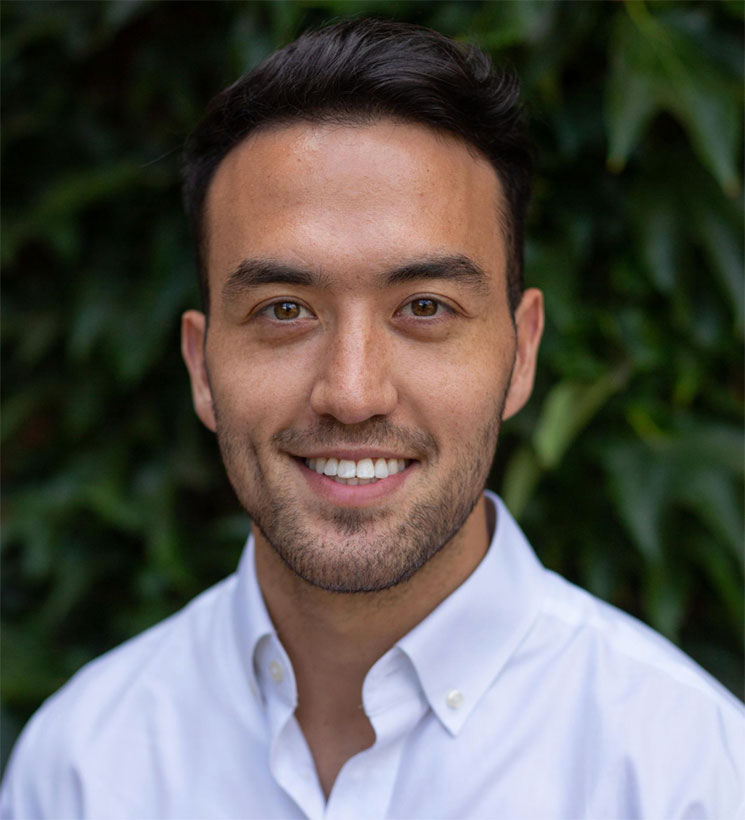
Sean
Founder, Succeed
Talk it through with Sean
“I can help you compare the programmes you're considering, think through the practicalities and work out what makes sense for you.”
20 minutes · No obligation to enrol
A practical overview of cost, accommodation, meals, dates and provider details to review before deciding.
Cost and what is included
£5,495; £6,995; £7,995; £9,995; includes Small-group seminars and interactive workshops, Course activities and excursions, Certificate awarded upon completion, Residential tiers include accommodation and full-board meals, Published residential tiers include Heathrow transfer and insurance, Tutor feedback and personalized recommendation letter.
Accommodation
Four package options
Meals
Full board for residential students
Supervision or safety information
Trained on-course staff provide welfare support, supervision and regular check-ins. The provider states that its on-course teams are available 24 hours a day during each course.
Provider details
Review the Atlas Summer Courses provider page and official sources before making a final decision.
Dates and logistics
2 weeks; Oxford, United Kingdom.
What to check before committing
Confirm current dates, payment terms, travel arrangements, cancellation rules and what is included with the provider.
Compare this program with similar options before deciding on dates, cost, format and fit.
Compare with similar programsEffort level
Moderate to high academic engagement.
Best started
Begin six to eight weeks before the preferred session, allowing longer for visa and travel planning.
Main challenge
Engaging confidently with unfamiliar scientific ideas across two subjects.
Choose a preferred session and package with your family.
Draft the English personal statement around your scientific interests and goals.
Review any pre-course reading and complete onboarding tasks when issued.
Arrange travel documents and visa or ETA requirements well before departure.
Useful if
You enjoy asking questions, analyzing evidence and working independently.
Students investigate biological and chemical questions through seminars, case studies, activities, problem-solving and independent study. The precise subject sequence varies with the tutor and group.
Explore possible topics such as cells, genetics, molecular structure and chemical reactions.
Question scientific ideas and examine evidence in interactive small-group seminars.
Analyze data, case studies and real-world scientific challenges.
Complete reading, research, scientific problems or presentation preparation independently.
Discuss practice tasks and homework with the tutor and class.
Use reflection activities to consider goals and academic progress.
27 June-10 July 2027
27 June-10 July 2027
4-17 July 2027
4-17 July 2027
11-24 July 2027
11-24 July 2027
18-31 July 2027
18-31 July 2027
25 July-7 August 2027
25 July-7 August 2027
1-14 August 2027
1-14 August 2027
8-21 August 2027
8-21 August 2027
15-28 August 2027
15-28 August 2027
| Milestone | Date | Timezone | Status | |
|---|---|---|---|---|
27 June-10 July 2027 | 27 June-10 July 2027 | Local | Upcoming | |
4-17 July 2027 | 4-17 July 2027 | Local | Upcoming | |
11-24 July 2027 | 11-24 July 2027 | Local | Upcoming | |
18-31 July 2027 | 18-31 July 2027 | Local | Upcoming | |
25 July-7 August 2027 | 25 July-7 August 2027 | Local | Upcoming | |
1-14 August 2027 | 1-14 August 2027 | Local | Upcoming | |
8-21 August 2027 | 8-21 August 2027 | Local | Upcoming | |
15-28 August 2027 | 15-28 August 2027 | Local | Upcoming |
Aged 13-15 at the course start
Genuine interest in biology and chemistry
Good spoken and written English
Personal statement written in English
Parent or guardian details for applicants under 18
No advanced subject knowledge required
Program fee
£5,495-£9,995 — Varies by accommodation package.
Funding or discounts
What's included
Small-group seminars and interactive workshops, Course activities and excursions, Certificate awarded upon completion, Residential tiers include accommodation and full-board meals, Published residential tiers include Heathrow transfer and insurance, Tutor feedback and personalized recommendation letter
Open the online application form and enter the student's date of birth.
Choose Biology and Chemistry, a preferred session and an accommodation package.
Provide student and parent or guardian contact details.
Add the student's current or most recent school information.
Write a short English personal statement about interests, goals and motivation.
Review the information and submit the application without payment.
If offered a place, follow the booking instructions and pay the required deposit.
Next step with Succeed
or let us know if .
Succeed replies first, usually within a working day
The program covers the following focus areas.
Cells and genetics
Explore cellular processes, DNA and the transmission of biological information.
Molecular biology
Connect molecular structures and reactions with processes inside living organisms.
Organic chemistry
Investigate chemical structures, properties and reactions relevant to living systems.
Scientific investigation
Analyze data, examine evidence and apply scientific methods to problems.
Environmental science
Consider how biological and chemical ideas illuminate environmental challenges.
Curriculum may be adjusted based on participant interests and current developments.
A typical day during the program.
Small-group classes or activities usually begin after breakfast.
Seminars may be followed by workshops, directed study or excursions.
Students complete 12 hours of reading, research or scientific problem-solving.
Supervised social activities balance the academic program.
Tutors are experienced educators and subject specialists active across academia, industry and education. They shape the syllabus around their expertise and the students' interests, with specific tutors confirmed closer to the summer.
Classes typically contain around 8-10 students.
Room allocations and bathroom arrangements depend on the selected tier and availability.
After completing this program, participants often pursue:
Build foundations for biology, chemistry or biochemistry study.
Explore possible pathways into medicine and biomedical sciences.
Develop analytical skills relevant to research and biotechnology.
Receive a certificate documenting course participation.
Use tutor feedback and a recommendation letter to reflect on progress.
The certificate is issued by Atlas Summer Courses and is not university credit.
The course is based in Oxford, a historic academic city associated with scientific research and discovery. Atlas Summer Courses hires college facilities for its summer teaching and accommodation but is independent of the University of Oxford.
Compare these related in-person science programs if you want a different subject emphasis, age range or location.
Cambridge summer study focused specifically on biology
Best for
Older students seeking dedicated biology study
Biology and computer science study in Santa Barbara
Best for
Students interested in genetics and data-led biology
Modern science methods and questions at Canford
Best for
Younger students comparing several STEM directions
Save this program in Succeed to compare it with similar programs, dates, costs and formats in one place.
Compare with other programsContent reviewed by
Co-founder, Succeed | Founder, Immerse Education (2012–2026)
Sean works at the intersection of academic enrichment, program quality and university preparation, with expertise in evaluating pre-university experiences for ambitious secondary school students.
Succeed uses official provider information where available, but keeps this public page focused on comparison and planning inside Succeed.
Course details checked
2027 sessions verified
Package prices reviewed
Eligibility reviewed
Application process checked
Accommodation details reviewed
Safety guidance checked
Visa guidance reviewed
We use source material to verify core facts, then show older cycle dates as reference when a current cycle is not available. Always check current application instructions before applying.
Biology and Chemistry Summer Course
by Atlas Summer Courses
May qualify for the £300 Succeed Programme Award.
Get the full picture before you decide
Succeed's assessment, estimated total cost and what applying involves.
No account needed for the Guide or Compare.