
4-10 July 2027 Non-residential
4-10 July 2027

A hands-on science summer course built around experiments, evidence, discussion, and scientific reasoning in small groups.
See Succeed's assessment of the programme, who it may suit, the estimated total cost, what applying involves and what is still to confirm.
or let us know if .
What Succeed checks
We review public program details such as eligibility, age range, cost, duration, location, format, accommodation, meals and application timing.
What Last verified means
Last verified is the latest date Succeed checked the public details shown on this page. Program dates, prices and availability can still change.
How official sources are used
Succeed uses official provider information where available, then rewrites it into a student-facing summary for comparison and planning.
Why some dates are reference dates
If the current cycle is not available, Succeed may show the latest verified cycle dates so you can understand typical timing.
Succeed is independent from this provider unless a partnership is clearly stated.
Current status
Upcoming
Eligibility
Interest in science; good English
Age range / Year group
Ages 12-14
Location / Region
London, United Kingdom
Cost
£2,295; £2,995
Duration
1 week
Format
In-person
Science Scholars explores biology, chemistry, and physics through experiments, investigations, discussion, presentations, and creative scientific challenges.
Teaching is interactive and tutor-shaped rather than tied to a fixed syllabus. Students examine evidence, test explanations, solve unfamiliar problems, and reflect on what they learn.
It best suits curious students who want broader, more practical science study and are comfortable participating in a small group.
Science Scholars is an Atlas Summer Courses science program focused on how scientists investigate and explain the world. It draws on biology, chemistry, and physics while emphasizing evidence, patterns, testable ideas, and real-world scientific questions.
Students learn through interactive small-group teaching, experiments, investigations, multimedia presentations, guided projects, and discussion. Tutors adapt the content to the group, so the precise topics can change while the scientific reasoning focus remains consistent.
The course integrates biology, chemistry, and physics rather than limiting students to one scientific discipline.
Experiments, data analysis, investigations, discussion, and guided projects make the learning active and applied.
Classes are capped at 15 students, supporting participation and tutor attention.
Residential students receive structured pastoral support alongside the academic and activity schedule.
Completion recognition includes a certificate, detailed tutor feedback, and a personalized recommendation letter.
Curious students who enjoy experiments, asking why things happen, examining evidence, and connecting ideas across biology, chemistry, and physics.
You need a fixed, examination-aligned syllabus or guaranteed coverage of particular scientific topics.
Science Scholars is a strong option for students who learn best by investigating, discussing, and applying ideas. The small classes, practical activities, project work, and completion feedback offer more depth than a purely recreational science camp.
The main limitation is that the tutor determines the detailed syllabus, so families cannot rely on specific topics being taught. It is also a substantial financial commitment, particularly when comparing the residential package with lower-cost local or online science activities.
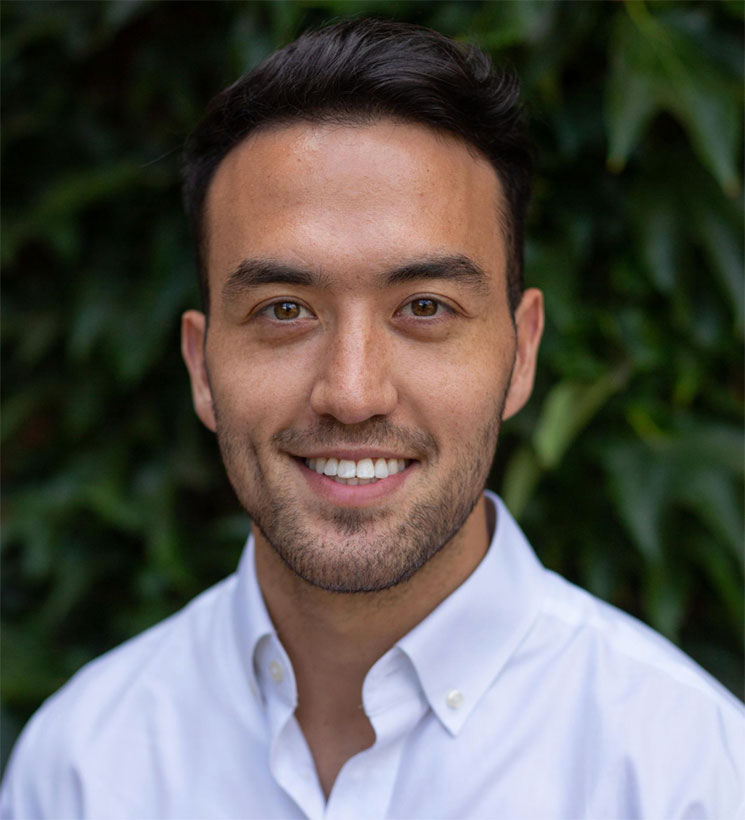
Sean
Founder, Succeed
Talk it through with Sean
“I can help you compare the programmes you're considering, think through the practicalities and work out what makes sense for you.”
20 minutes · No obligation to enrol
A practical overview of cost, accommodation, meals, dates and provider details to review before deciding.
Cost and what is included
£2,295; £2,995; includes Interactive classes with no more than 15 students, All-day trips and activities, Certificate awarded on completion, Lunch and dinner with the non-residential option, Shared accommodation and full-board meals with the residential option, Airport transfer and travel and medical insurance with the residential option.
Accommodation
Residential or non-residential
Meals
Full board for residential students
Supervision or safety information
House parents and trained on-course staff support students throughout their stay. The wider safeguarding model includes age-appropriate supervision, regular check-ins, and 24-hour staff availability.
Provider details
Review the Atlas Summer Courses provider page and official sources before making a final decision.
Dates and logistics
1 week; London, United Kingdom.
What to check before committing
Confirm current dates, payment terms, travel arrangements, cancellation rules and what is included with the provider.
Compare this program with similar options before deciding on dates, cost, format and fit.
Compare with similar programsEffort level
Moderate academic intensity.
Best started
Begin the application and travel planning two to three months before the preferred July session, allowing longer for visa arrangements.
Main challenge
Participating actively across several scientific disciplines without a fixed syllabus.
Choose the preferred July session and package before starting the application.
Prepare a short English personal statement explaining your scientific interests and goals.
Disclose medical, learning, accessibility, or dietary needs during the application process.
Complete onboarding tasks and review the Welcome Pack, Student Handbook, and any tutor reading before travel.
Useful if
You enjoy practical inquiry, discussion, evidence analysis, and group problem-solving.
Students move between interactive teaching, scientific investigation, guided projects, reflection, and a wider supervised activity schedule.
Explore ideas from biology, chemistry, and physics through tutor-led lessons.
Run experiments and group investigations based on scientific questions.
Analyze evidence and data, then compare possible explanations.
Present ideas through discussion and multimedia activities.
Apply new concepts through creative, real-world problem-solving challenges.
Continue learning through guided project work, supervised study, and subject-linked excursions.
Reflect on discoveries and communicate scientific reasoning.
4-10 July 2027 Non-residential
4-10 July 2027
4-10 July 2027 Standard shared bathroom
4-10 July 2027
11-17 July 2027 Non-residential
11-17 July 2027
11-17 July 2027 Standard shared bathroom
11-17 July 2027
18-24 July 2027 Non-residential
18-24 July 2027
18-24 July 2027 Standard shared bathroom
18-24 July 2027
25-31 July 2027 Non-residential
25-31 July 2027
25-31 July 2027 Standard shared bathroom
25-31 July 2027
| Milestone | Date | Timezone | Status | |
|---|---|---|---|---|
4-10 July 2027 Non-residential | 4-10 July 2027 | Local | Upcoming | |
4-10 July 2027 Standard shared bathroom | 4-10 July 2027 | Local | Upcoming | |
11-17 July 2027 Non-residential | 11-17 July 2027 | Local | Upcoming | |
11-17 July 2027 Standard shared bathroom | 11-17 July 2027 | Local | Upcoming | |
18-24 July 2027 Non-residential | 18-24 July 2027 | Local | Upcoming | |
18-24 July 2027 Standard shared bathroom | 18-24 July 2027 | Local | Upcoming | |
25-31 July 2027 Non-residential | 25-31 July 2027 | Local | Upcoming | |
25-31 July 2027 Standard shared bathroom | 25-31 July 2027 | Local | Upcoming |
Aged 12-14 at the beginning of the course
Genuine interest in science
Good spoken and written English
No formal previous subject study required
Parent or guardian details required for applicants under 18
Personal statement written in English
Non-residential fee
£2,295 — Includes daytime teaching, lunch, dinner, trips, and activities.
Funding or discounts
What's included
Interactive classes with no more than 15 students, All-day trips and activities, Certificate awarded on completion, Lunch and dinner with the non-residential option, Shared accommodation and full-board meals with the residential option, Airport transfer and travel and medical insurance with the residential option
Enter the student's date of birth and select Science Scholars.
Choose the preferred July session and package or accommodation option.
Provide student contact details, country of residence, and guardian details.
Write a short English personal statement about subject interests and goals.
Provide the student's current school name and address.
Review the course, dates, package, personal details, and fees.
Submit the application for admissions review.
If offered a place, follow the booking instructions and pay the deposit.
Next step with Succeed
or let us know if .
Succeed replies first, usually within a working day
The program covers the following focus areas.
Biology
Explore living cells, organisms, evidence, and scientific explanations.
Chemistry
Investigate materials and discoveries through experiments and practical challenges.
Physics and space
Consider forces, energy, patterns, and questions about the wider universe.
Scientific reasoning
Practice testing ideas, evaluating evidence, and explaining conclusions.
Curriculum may be adjusted based on participant interests and current developments.
A typical day during the program.
Two extended, discussion-led lessons cover data analysis, experiments, and collaborative scientific challenges.
Guided project work, supervised study, or subject-linked excursions continue the learning.
Structured supervised activities and reflection balance the academic schedule.
Science Scholars is taught by experienced educators and subject specialists with relevant scientific knowledge and experience working with younger learners. Tutors shape the syllabus around their expertise and the interests, abilities, and learning needs of the group.
Tutors are confirmed closer to the summer, so previous tutor profiles do not guarantee who will teach a particular session.
Residential rooms are standard shared rooms; the listed residential tier uses shared bathroom facilities.
After completing this program, participants often pursue:
Use stronger scientific reasoning across biology, chemistry, and physics.
Build confidence investigating unfamiliar questions and evaluating evidence.
Identify scientific fields to explore through later study.
Receive a certificate of completion and detailed tutor feedback.
Receive a personalized recommendation letter documenting progress and participation.
The course is not stated to carry academic credit.
Science Scholars is held at Harrow School in Harrow, United Kingdom, where students study and, for the residential option, stay in boarding accommodation. The campus provides teaching spaces, dining facilities, sports and activity areas, and access to a supervised social and cultural program.
Atlas Summer Courses uses Harrow School's facilities but is not affiliated with Harrow School.
Compare these science-focused programs if you want a different age range, location, duration, or subject emphasis.
Modern science methods and questions
Best for
Younger students wanting broader STEM exploration
Ecology and environmental science study
Best for
Older students interested in ecology
Biology, computing, and scientific discovery
Best for
Older students exploring interdisciplinary science
University-style biology study in Cambridge
Best for
Older students focused on biology
Save this program in Succeed to compare it with similar programs, dates, costs and formats in one place.
Compare with other programsContent reviewed by
Co-founder, Succeed | Founder, Immerse Education (2012–2026)
Sean works at the intersection of academic enrichment, program quality and university preparation, with expertise in evaluating pre-university experiences for ambitious secondary school students.
Succeed uses official provider information where available, but keeps this public page focused on comparison and planning inside Succeed.
Course details checked
2027 sessions verified
Package prices compared
Eligibility reviewed
Application steps checked
Accommodation inclusions reviewed
Safeguarding guidance checked
Travel guidance reviewed
We use source material to verify core facts, then show older cycle dates as reference when a current cycle is not available. Always check current application instructions before applying.
Science Scholars
by Atlas Summer Courses
Get the full picture before you decide
Succeed's assessment, estimated total cost and what applying involves.
No account needed for the Guide or Compare.