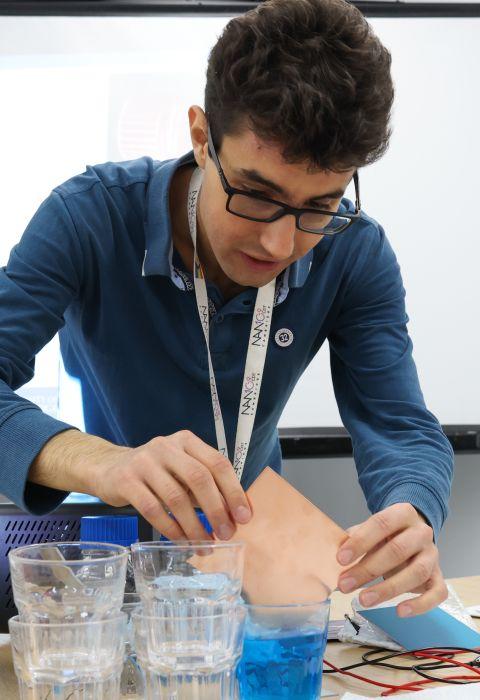
Downing College, University of Cambridge
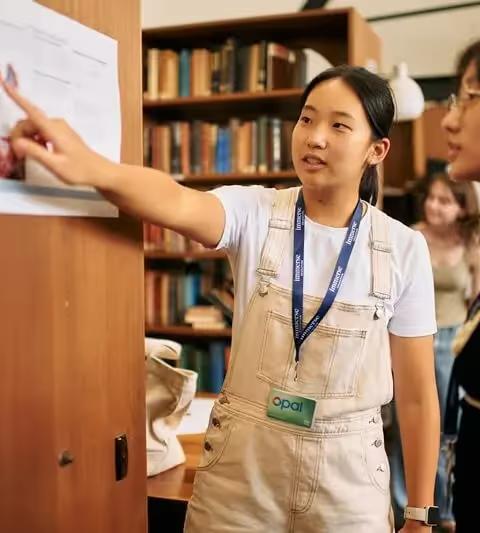
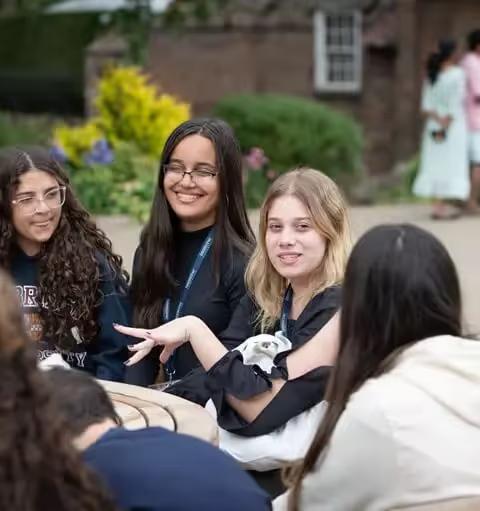
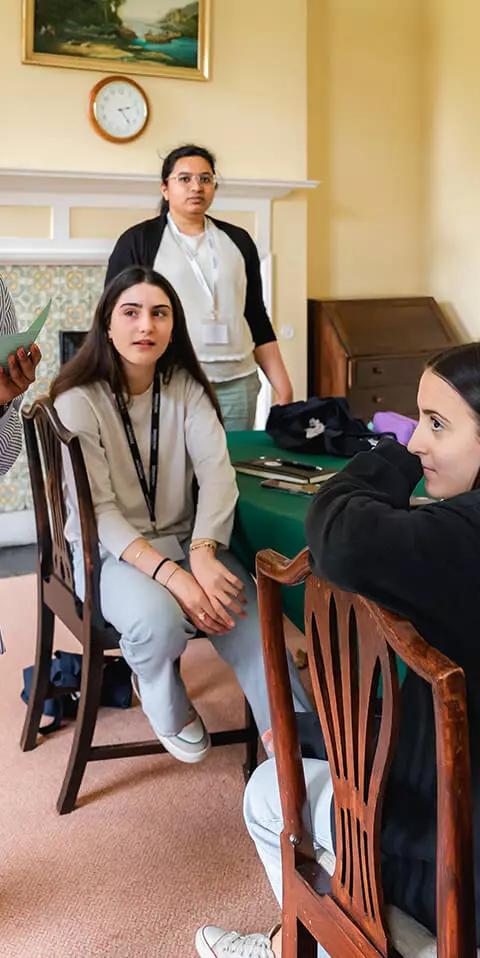
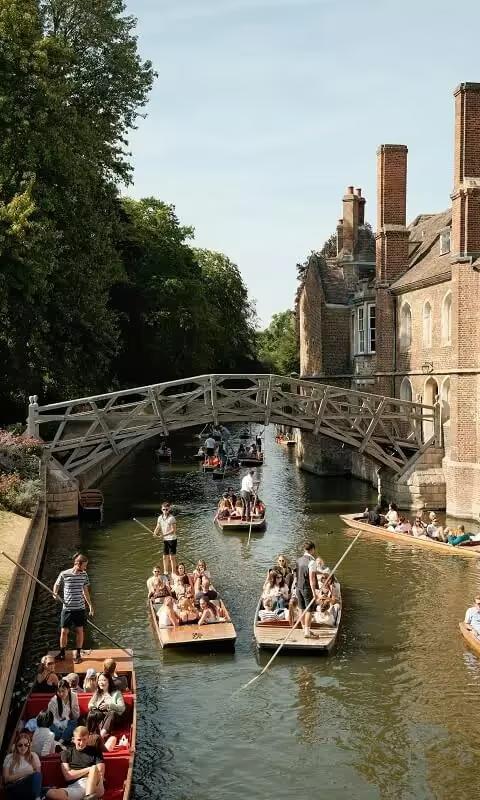
Downing College International Exploratory Program
Humanities · Science£7,0002 weeks
- Where
- Cambridge
- Ages
- Ages 15–17
- Dates
- June & July 20273 start dates · 2 weeks
Explore and compare summer schools in Oxford and Cambridge for students aged 13–18. Understand the differences between providers, teaching, accommodation and fees, and find the experience that suits your child.
Compare programmes from independent providers for ages 13–18.
204 programmes · 22 providers · from £595


































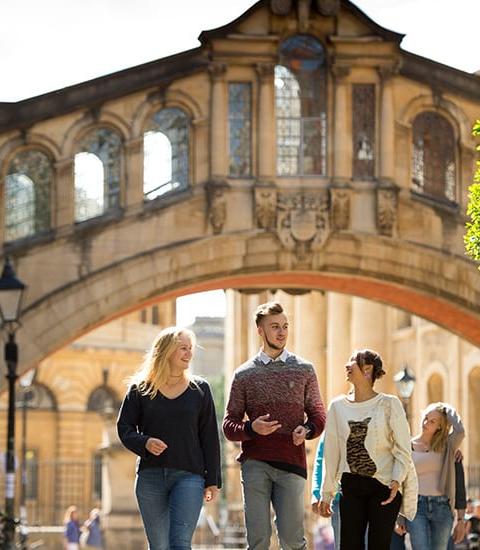
Oxford International's Oxford General English courses are in-person English language programs for students aged 16+ who want to improve everyday communication skills through morning classes, electives, digital learning support, and social activities.




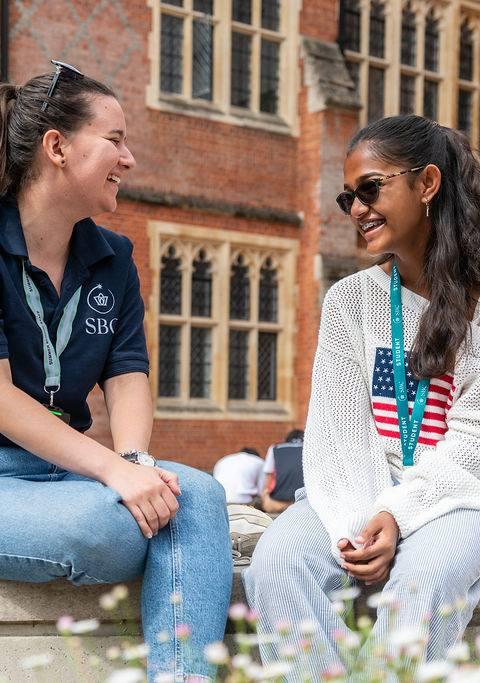
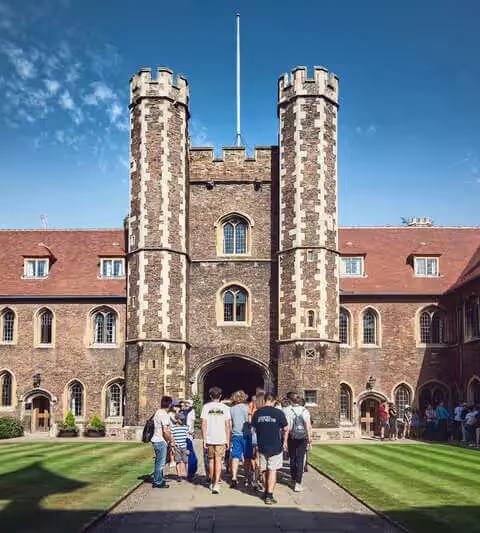
The English Pathways program at Cambridge is designed for students who want to strengthen communication skills and confidence in English.
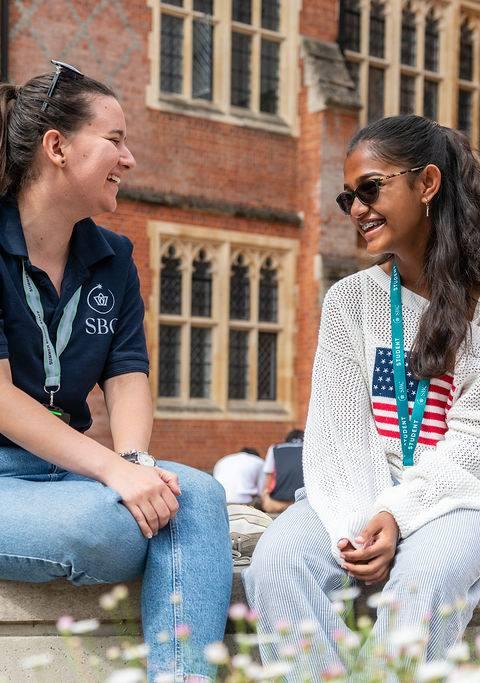
The Faculty of Art & Design at Cambridge introduces students to creative practice at university level, combining artistic exploration with critical thinking.
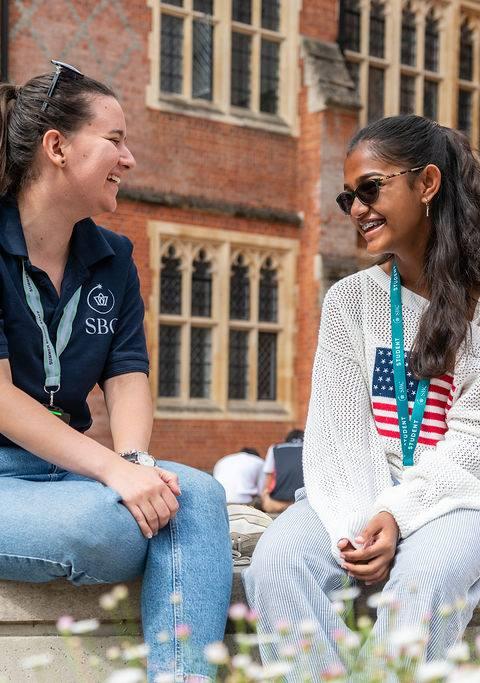
The Faculty of Business introduces the fundamentals of enterprise across two weeks, covering entrepreneurship, finance, marketing and management.
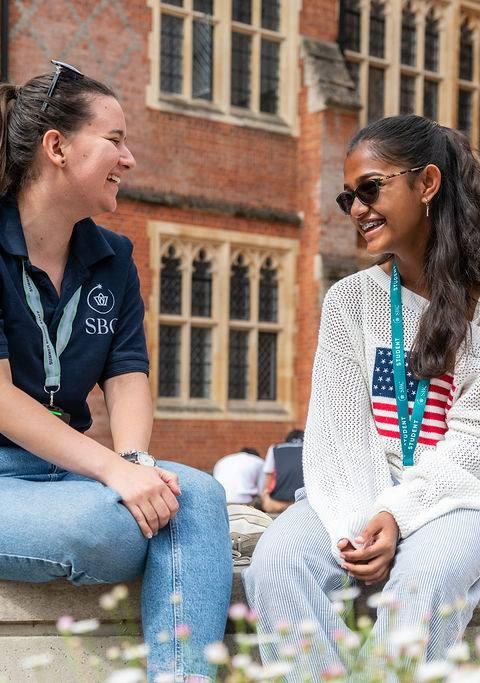
The Faculty of Global Leadership is dedicated to cultivating leaders equipped to address the challenges of an interconnected world, blending academic study with real-world applications in leadership, diplomacy, international relations, and global economics.
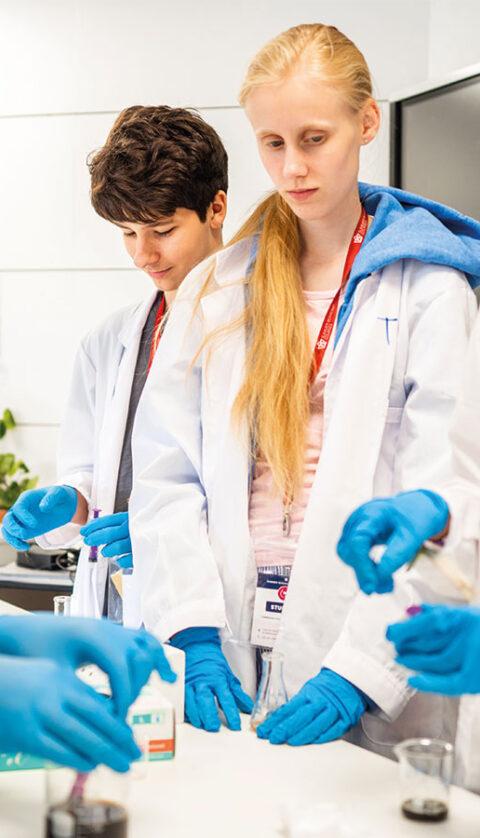
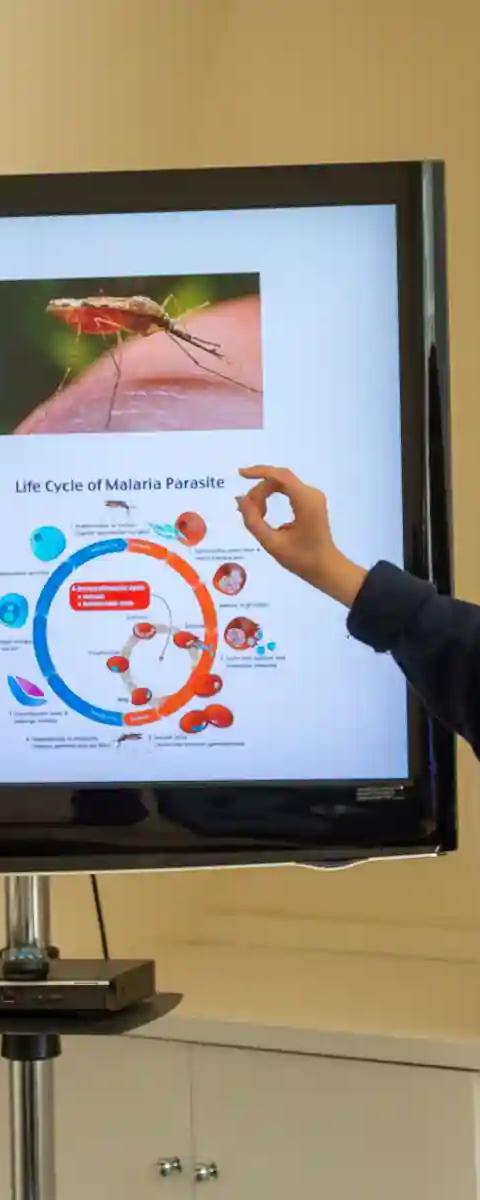
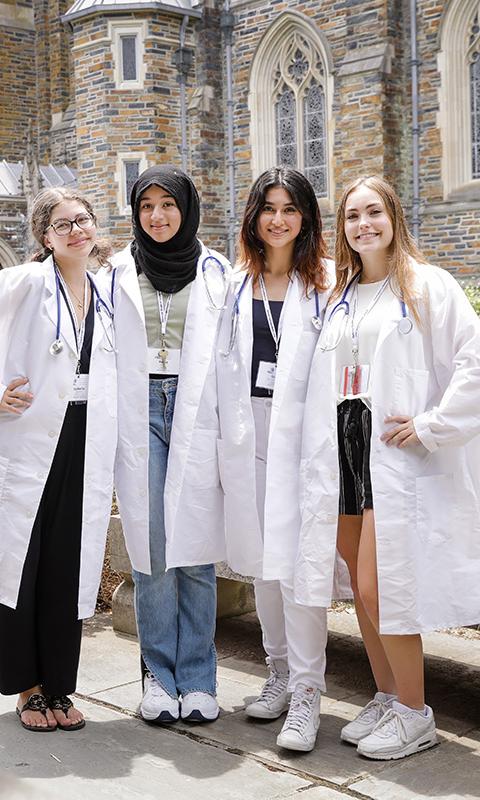
The Faculty of Medicine offers a focused introduction to medical study, covering anatomy, physiology, medical ethics, pathology, pharmacology and diagnostics, with practical clinical simulations and workshops.
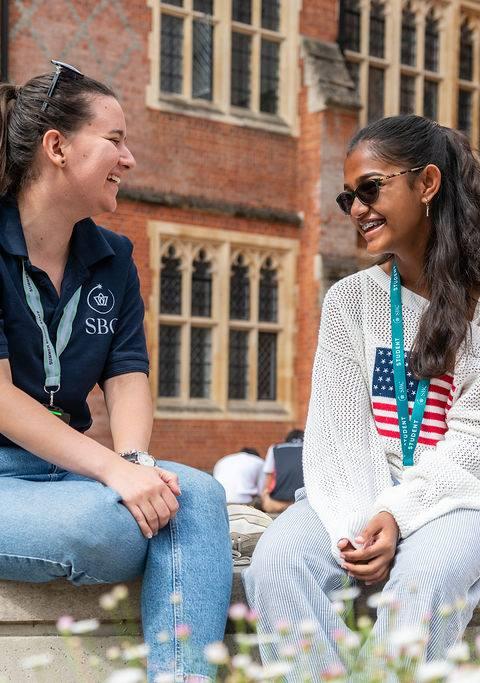
The Faculty of Science and Technology (STEM) is designed for students who want to explore core STEM disciplines and apply technological solutions to real problems, combining theory with hands-on learning and collaboration.
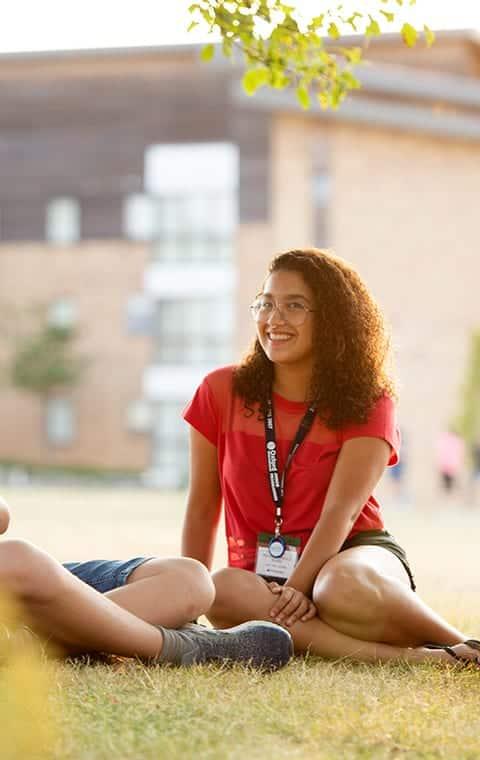
A residential junior English summer program at Oxford Brookes University's Harcourt Hill campus for students aged 12-17.
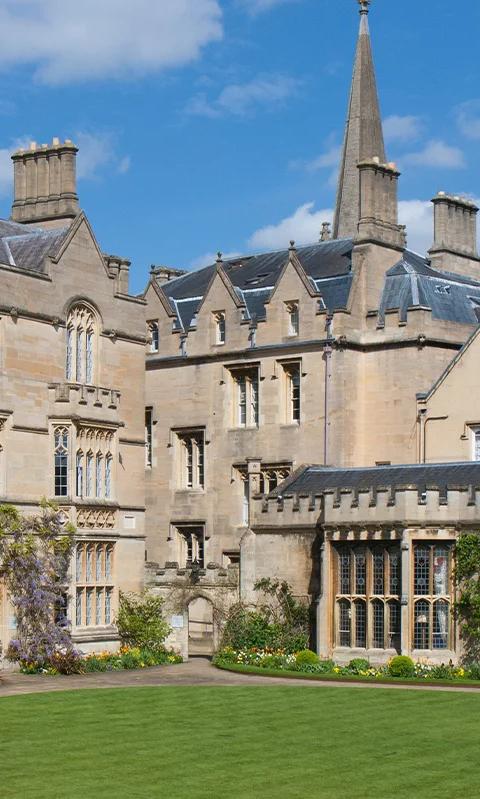
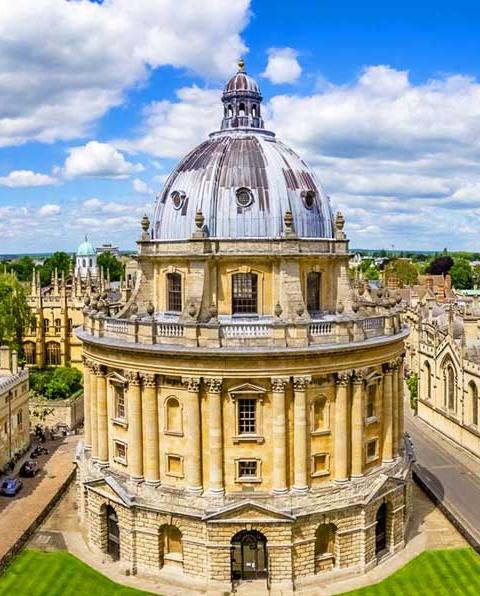






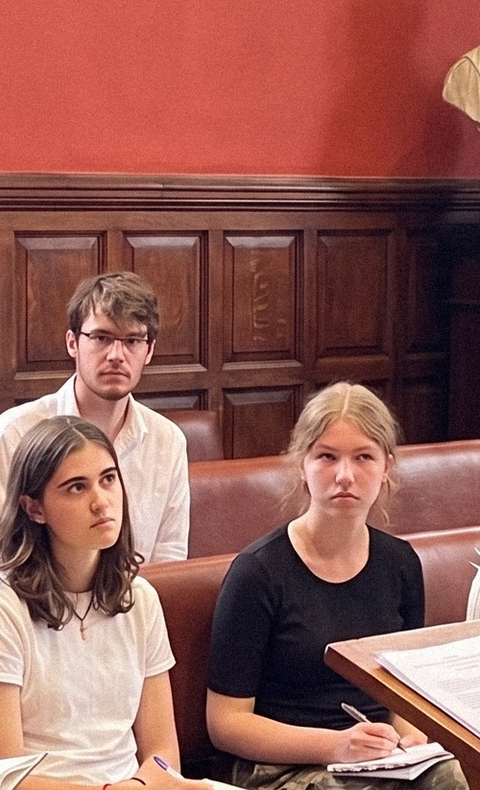


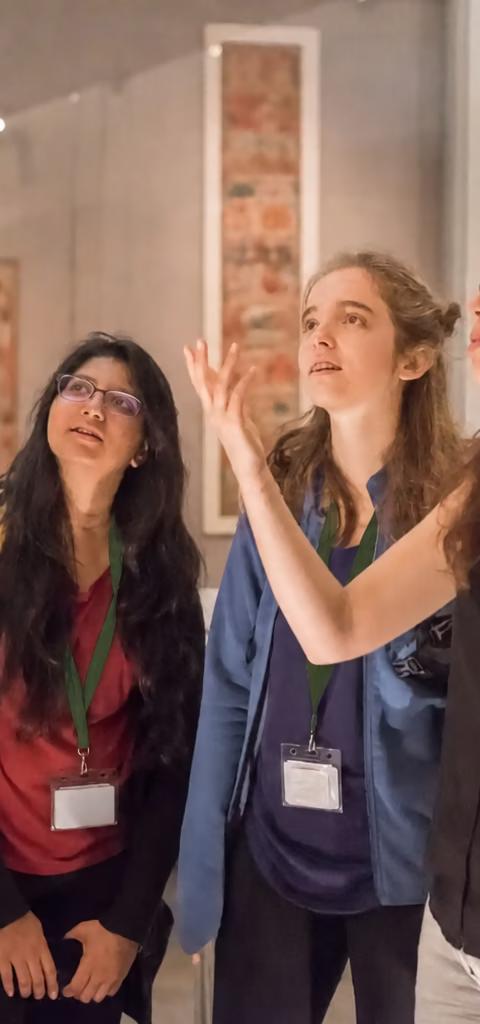






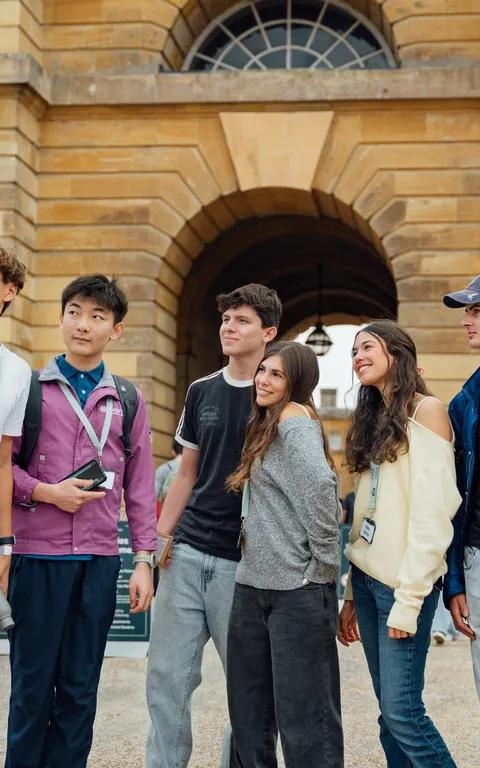

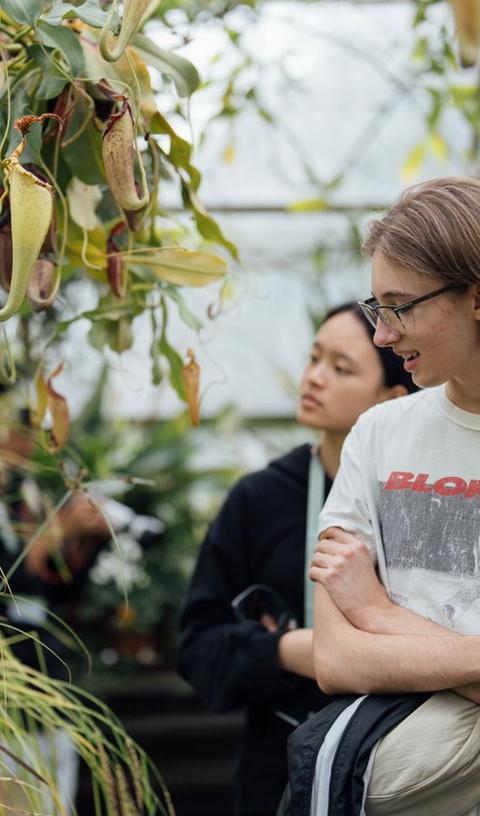


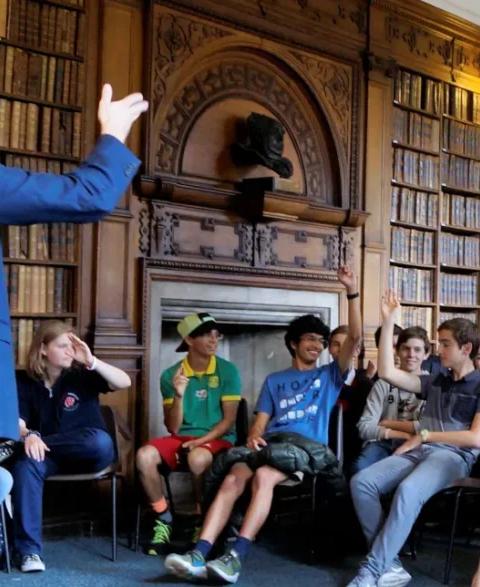







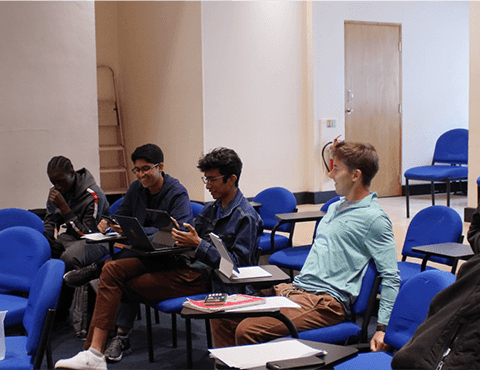
















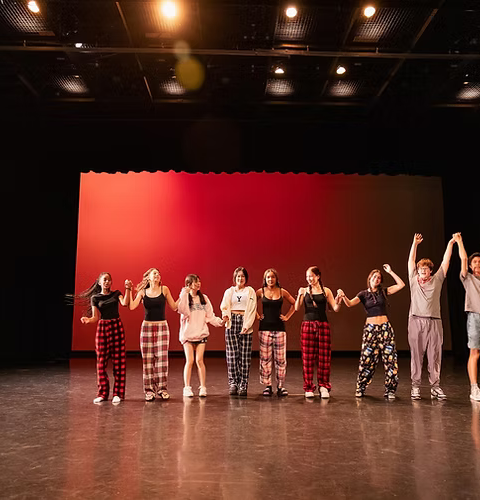

Nike Hockey Camp is a residential summer field hockey program for boys and girls aged 11 to 17, offering intensive coaching, workshops, English lessons, and on-site accommodation at a private school in Oxford.
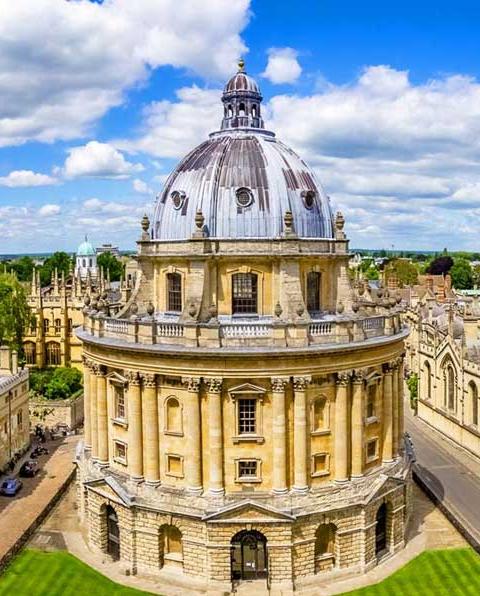

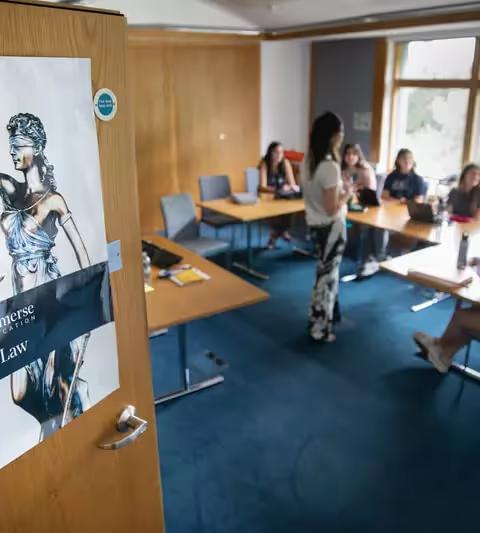
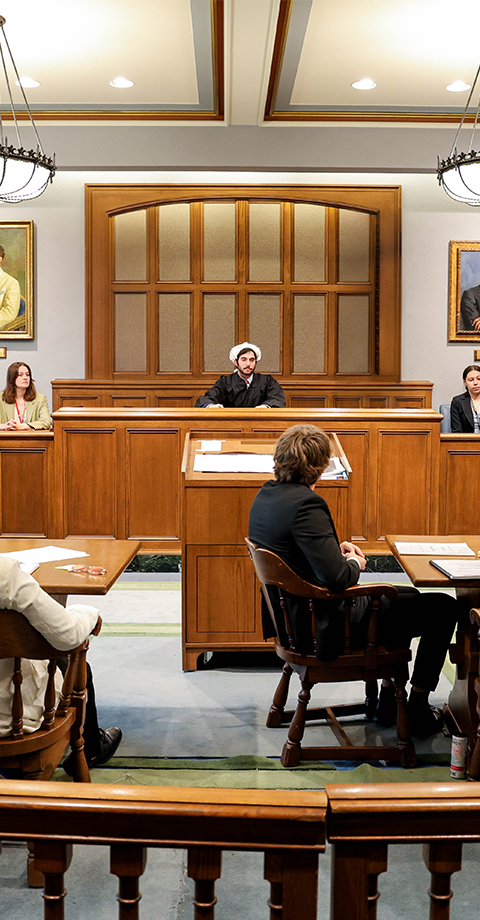
The Faculty of Law offers an immersive and intellectually stimulating environment where students can explore the intricacies of legal systems and the principles of justice.
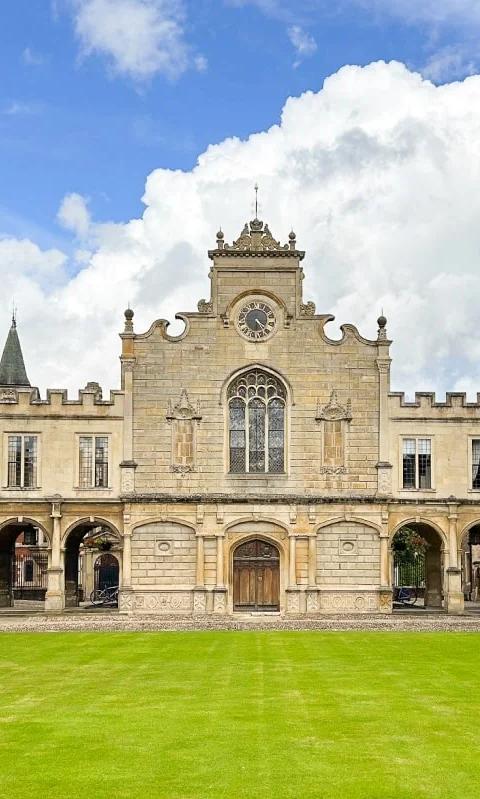
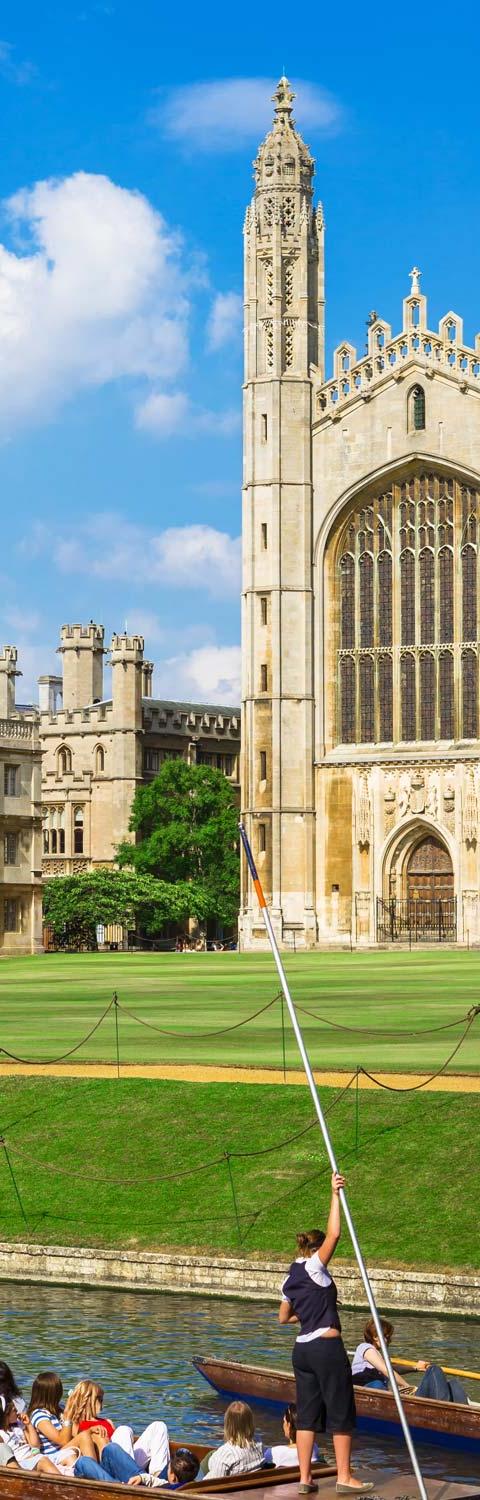






Future Entrepreneurs introduces business and innovation through hands-on projects and practical challenges.

Future Scientists introduces students to the methods and questions that define modern science.
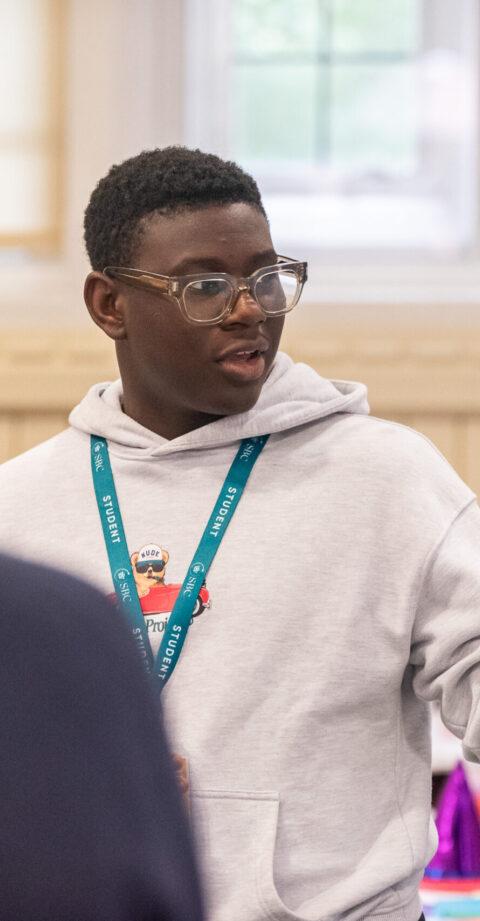
The Future Entrepreneurs program is aimed at students who want to shape the world of business, blending strategic planning, innovative problem-solving, and practical applications to build leadership skills for today’s global economy.
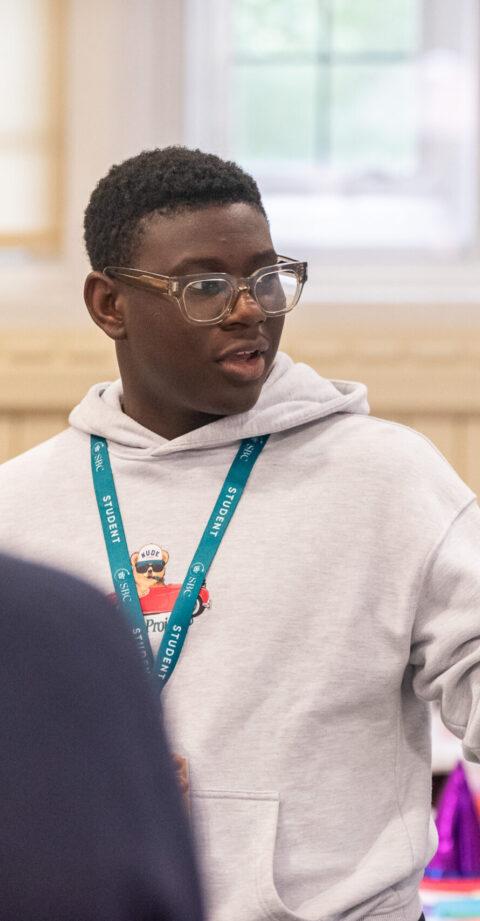
Future Global Leaders is a two-week course for students interested in power, politics, and international relations.

Future Scientists at Eton College is for students aged 12–16 who are eager to deepen their understanding of the natural world.
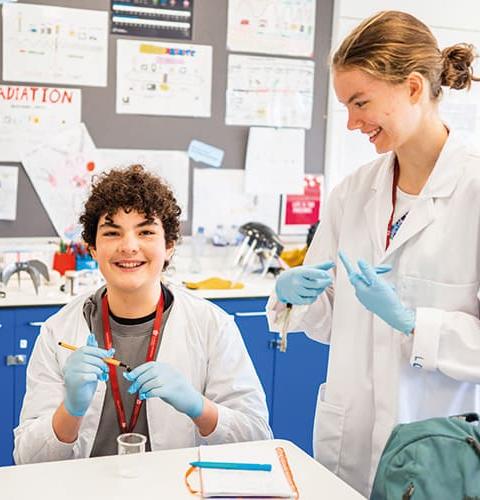
Studying at the Faculty of Medicine offers an opportunity to explore healthcare and medical sciences through comprehensive academic learning and practical, hands-on experience.
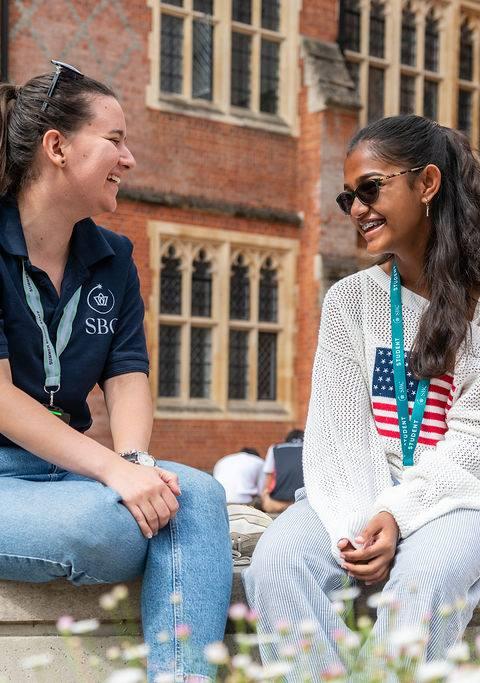
Future Artists is a two-week program for students who want to explore creativity in practice.
Future Doctors is a two-week program introducing core areas of medical study (anatomy, physiology, pathology, diagnostics), with practical learning through case studies and simulated clinical activities, plus discussion of ethics, research, and professional skills in healthcare.
Future Scientists is designed for students aged 12–16 to explore biology, chemistry, and physics through experiments, real-world questions, group projects, and presenting results, combining theory with hands-on enquiry to build observation, analysis, and communication skills and critical thinking about science’s impact.
English Adventurers is an immersive two-week language program for students of all levels, from A1 to C1.
Future Entrepreneurs program is crafted for ambitious students ready to dive into the fast-paced world of business, with a deep dive into entrepreneurship, marketing, and financial strategy.
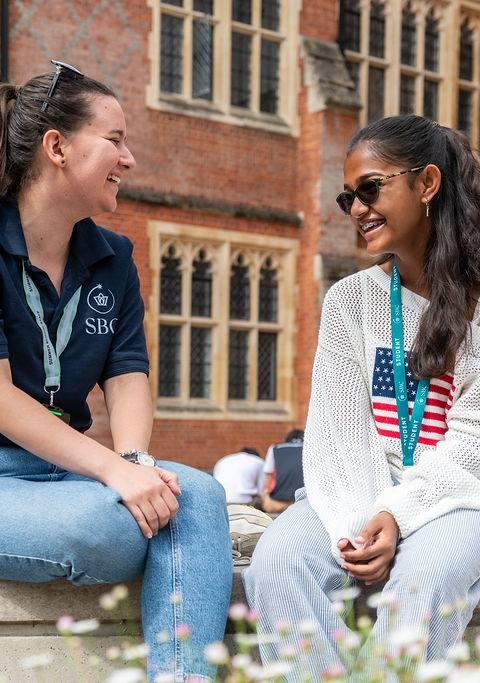
Future Global Leaders is a two-week program focused on understanding power, politics, and influence in an international context, including how governments work, how global organisations respond to crises, and how leaders build trust and authority; with development of debate, negotiation, and decision-making skills.




Nike Basketball Camp is an in-person summer training program for boys and girls aged 13 to 17, designed to develop basketball skills through expert coaching and immersive basketball and English workshop options.

Nike Volleyball Camp is a residential sports program for girls aged 10 to 17, offering volleyball coaching, workshops or English lessons, accommodation, meals, and activities at private school venues in England.


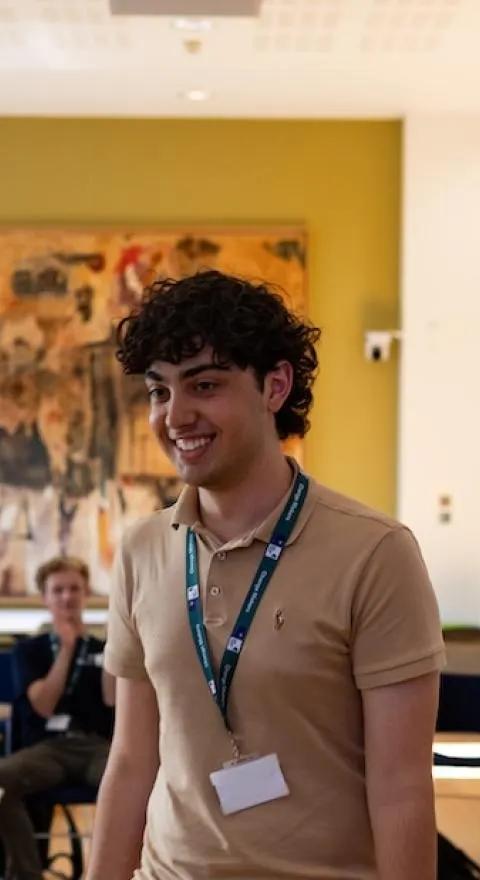

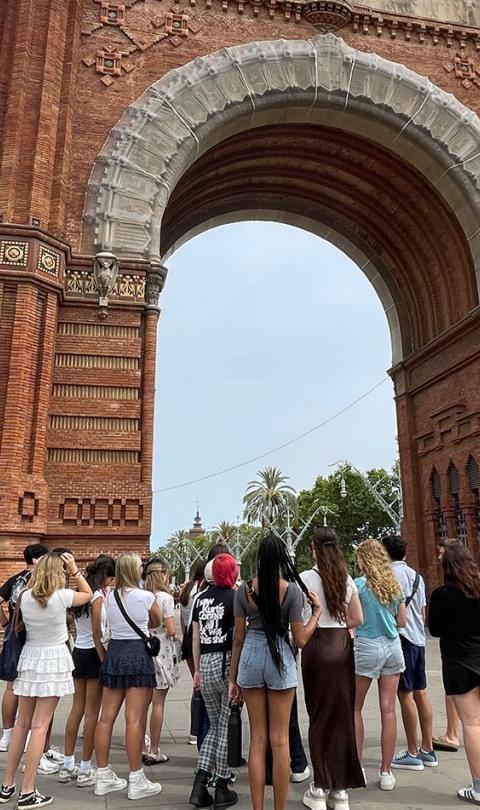
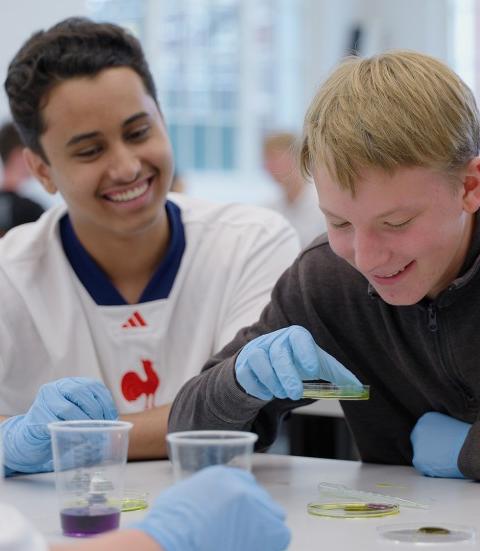








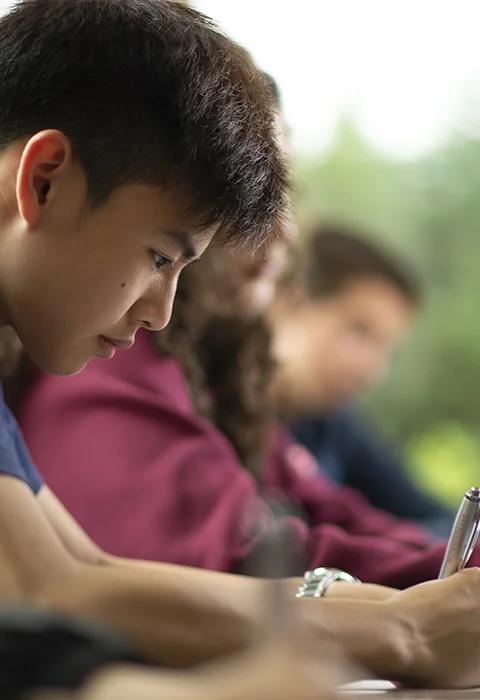

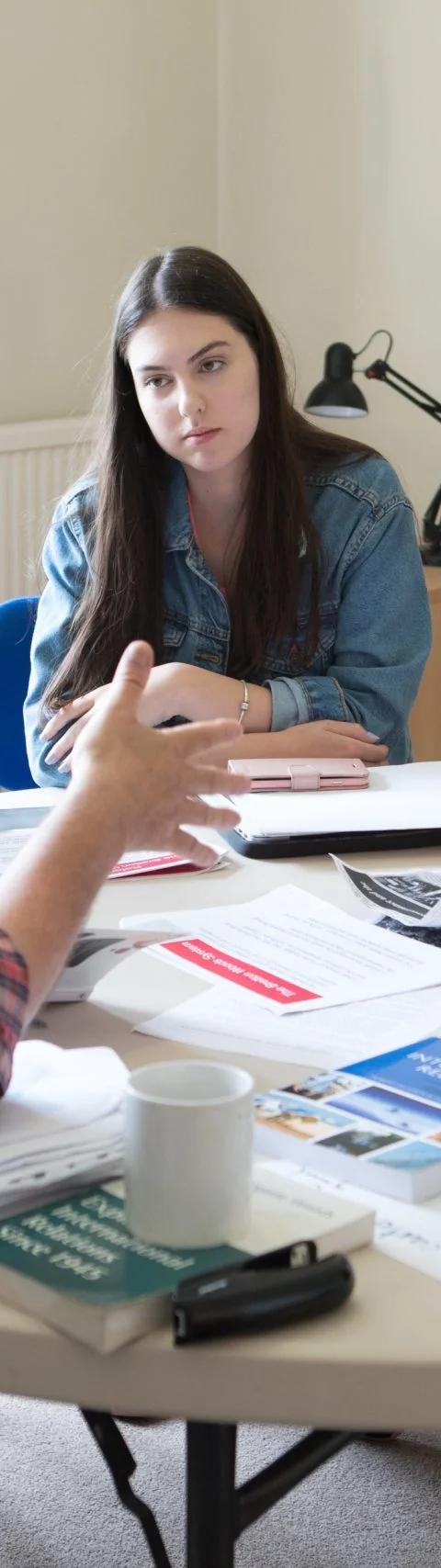
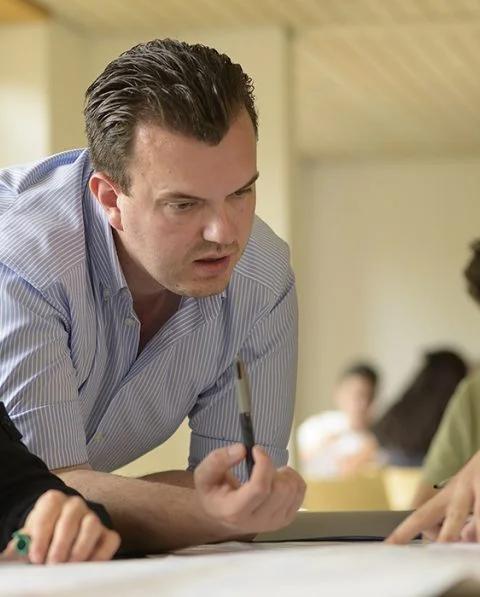


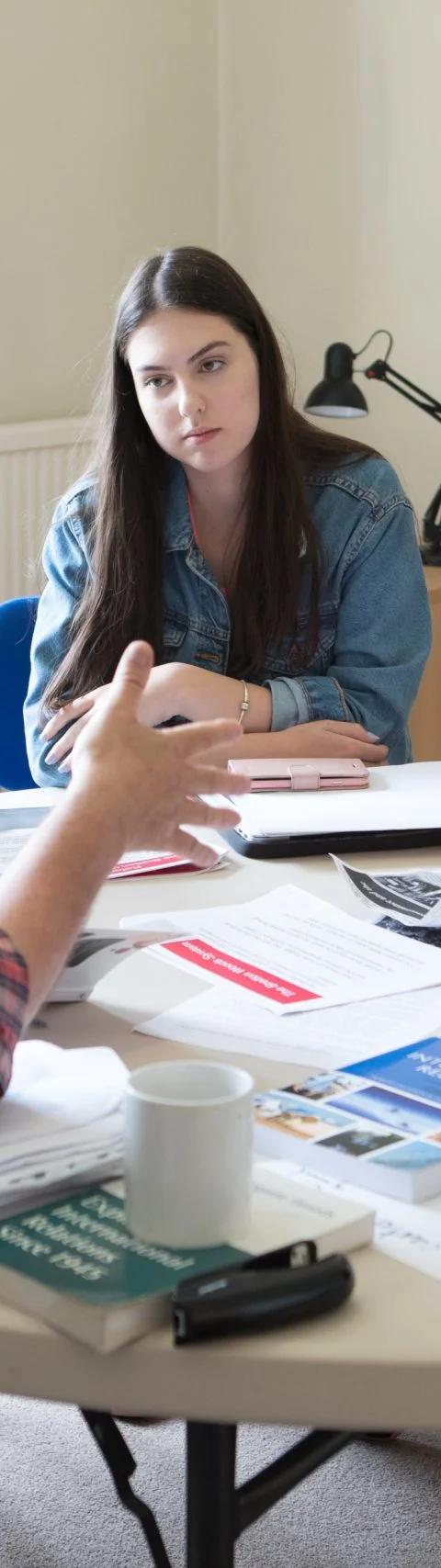



The Faculty of Business offers an in-depth exploration of core business principles (strategy, management, marketing, finance), combining theory with application through case studies, workshops, and simulations, with teamwork and leadership development throughout.













Programmes in Oxford and Cambridge can look alike from the outside. These are the questions that separate them, and the ones worth asking of every provider in this guide.
Compare the timetable, not the brochure. How much of each day is teaching, and how much is excursions and activities? Is there reading, assessed work or a final project?
Ask for scheduled teaching hours per week. “Academic sessions” can include lectures, workshops and supervised study, so the totals vary widely.
Tutorials of a few students, seminars of around ten and lectures to a full cohort are very different experiences. Ask what a typical day looks like.
Ask about tutors’ qualifications and how they are selected. “Oxford-educated tutors” and “Oxford academics” mean different things.
College rooms, hotels and halls differ. Check staff-to-student ratios, night-time supervision, safeguarding policies and who is on call.
Fees usually include tuition, accommodation and meals. Flights, transfers, visas, insurance and optional trips are often extra. Budget for the total.
Most fee-paying summer schools held in Oxford and Cambridge are run by independent organisations that hire college rooms and teaching spaces outside term. The universities and colleges run programmes of their own, most of them access schemes. Neither is better by definition, but families should know which they are choosing.
| Question | Independent summer schools | University-run programmes |
|---|---|---|
| Who runs it | A private company or charity that hires college rooms and teaching space | The university or one of its colleges |
| Who teaches | Tutors chosen by the provider; may include university academics and graduate students | University academics and current students |
| Who can apply | Usually open to students worldwide, sometimes with a short application | Mostly access schemes with eligibility criteria, often for UK state-school students |
| Cost | Fee-paying; fees in this guide start at £595 | Access schemes are usually free |
| Does it affect admissions? | No. It is not part of either university’s admissions process | Taking part is not a condition of admission; check each scheme’s own terms |
Mostly not. Most fee-paying summer schools held in Oxford and Cambridge are run by independent organisations that hire college accommodation and teaching rooms outside term. The universities and colleges also run their own programmes, most of them access schemes. Every listing in this guide names its operator.
They differ most in how academic the teaching is, the number of teaching hours, class sizes, who teaches, accommodation and supervision, and what the fee includes. Shortlist up to three programmes to compare them side by side.
Across the 2027 sessions currently published in this guide, fees range from £595 to £20,595. Residential fees usually include tuition, a room and meals. Flights, transfers, insurance and optional trips are often extra.
Most programmes accept students aged 13 to 18, usually in age bands such as 13–15 and 16–18. Each listing shows the exact ages; use the age filter to see what fits.
Teaching hours, class sizes, tutor qualifications, accommodation, supervision and safeguarding, the full cost, and who operates the programme. Our guide to choosing, above, covers each in turn.
Summer schools are not part of either university’s admissions process, and attending one does not guarantee anything. A good programme can deepen a real interest in a subject, which is valuable in itself. Be cautious of any provider that implies an admissions advantage.
Providers publish their summer dates and fees at different times, many of them during the autumn and winter before. Where a provider has not yet published 2027 sessions, the listing says so and shows what the programme offered the summer before.
Shortlist up to three programmes and see fees, dates, ages and locations side by side.
See every listing in each city, with the full detail on each provider.
All programmes in Oxford All programmes in Cambridge